Good interior design combines beauty, comfort, functionality, and personal style. A room may contain expensive furniture but still feel uncomfortable if the layout, lighting, colors, and proportions are not balanced. These interior design tips mintpaldecor can help homeowners make smarter decorating decisions and create rooms that feel both attractive and practical.
Understand Your Space First
The first step in interior design is understanding the room you already have. Measure the available space and identify doors, windows, electrical outlets, built-in storage, and natural light sources.
Avoid buying furniture before measuring the room. A sofa that looks perfect in a showroom may overwhelm a small living room.
Create a simple floor plan before making major purchases. This allows you to test different furniture arrangements and maintain comfortable walking areas.
Select a Consistent Color Scheme
A successful interior usually has a controlled color palette. Start with a dominant neutral color and add one or two complementary shades.
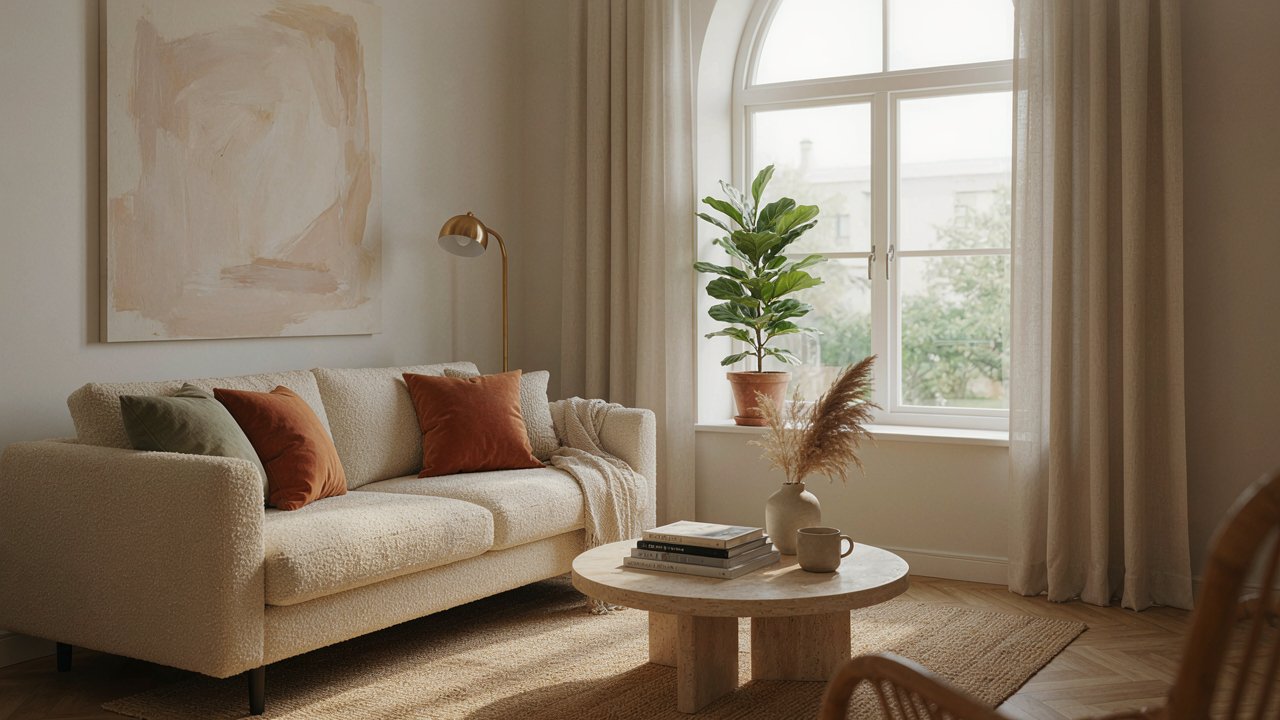
Warm neutrals can create a comfortable atmosphere, while cooler shades can make a room feel calm and modern. Accent colors can be introduced through artwork, cushions, curtains, rugs, and decorative objects.
The goal is not to eliminate color but to use it intentionally.
Pay Attention to Furniture Proportions
Furniture should match the size of the room. Large furniture can make a small space feel crowded, while very small furniture can make a large room feel empty.
Consider the relationship between different pieces. A coffee table should be positioned at a comfortable distance from the sofa, while dining chairs should provide sufficient space for movement.
Balanced proportions make a room feel naturally organized.
Use Lighting in Layers
Professional-looking interiors often use several types of lighting rather than relying on a single ceiling fixture.
Ambient lighting provides general illumination. Task lighting helps with activities such as reading or cooking, while accent lighting highlights artwork, architectural features, or decorative areas.
Combining these layers gives you more control over the mood and functionality of each room.
Create a Focal Point
Every room benefits from something that immediately attracts attention. This could be a fireplace, artwork, statement light fixture, accent wall, beautiful headboard, or carefully styled furniture arrangement.
A focal point prevents the room from feeling visually confusing. Once you identify it, arrange surrounding elements to support rather than compete with it.
Mix Materials and Textures
Using only one material throughout a room can make the design look boring. Mix wood, glass, metal, fabric, stone, and natural materials to create visual depth.
For example, a wooden coffee table can be combined with a soft rug, fabric sofa, metal lamp, and decorative ceramic objects.
Texture becomes especially important in neutral interiors because it adds interest without requiring strong colors.
Keep Functionality at the Center
Beautiful design should also make everyday life easier. Consider storage requirements, maintenance, family needs, and how each room will actually be used.
In a kitchen, keep frequently used items accessible. In a bedroom, maintain clear paths around the bed. In a living room, provide comfortable seating and convenient surfaces.
Good design solves practical problems while improving appearance.
Avoid Overdecorating
One of the most common interior design mistakes is adding too many decorative items. Instead, select fewer pieces that have visual or personal value.
Leave some empty space around furniture and accessories. Negative space gives the eye a place to rest and helps important design elements stand out.
Frequently Asked Questions
What is the most important interior design rule?
Balance is one of the most important principles. Furniture, colors, lighting, textures, and accessories should work together rather than competing for attention.
How can I improve my interior without remodeling?
Change lighting, rearrange furniture, update textiles, add artwork, introduce plants, and improve storage. These changes can refresh a room without construction.
How many colors should an interior have?
A simple palette of a dominant color, supporting shade, and accent color often works well, although there is flexibility depending on the style.
What makes an interior look expensive?
Good proportions, quality-looking materials, layered lighting, consistent colors, organized spaces, and carefully selected accessories often create a sophisticated appearance.
Conclusion
Successful interior design is about making thoughtful choices rather than simply following trends. By understanding your space, choosing balanced colors, selecting appropriately sized furniture, layering lighting, mixing textures, and prioritizing functionality, you can create a home that looks polished and remains comfortable. These interior design tips mintpaldecor provide a practical starting point for improving almost any room.