
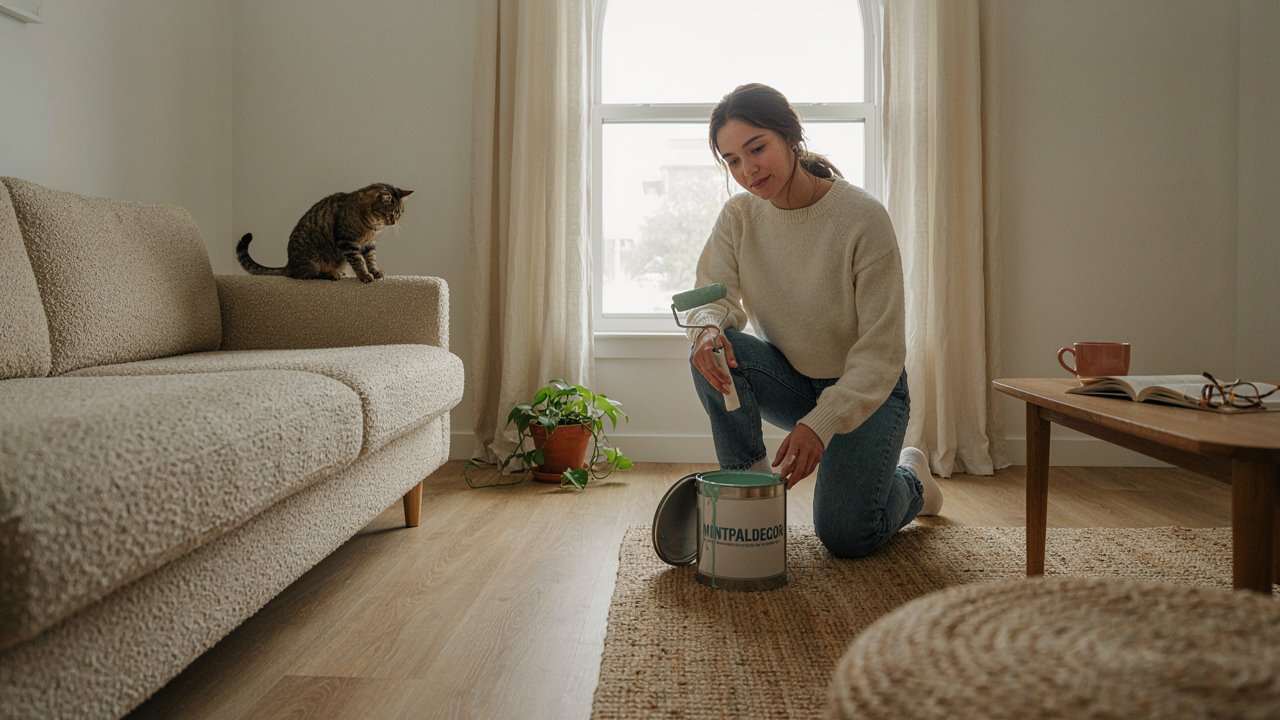
Home improvement does not always mean expensive renovations or major construction. Many valuable improvements involve small changes that increase comfort, functionality, appearance, and organization. With the right home improvement mintpaldecor approach, homeowners can prioritize projects that provide meaningful results while avoiding unnecessary expenses.
Start With the Most Important Problems
Before starting a project, inspect your home carefully. Look for areas that are damaged, outdated, uncomfortable, or difficult to use.
Prioritize repairs related to safety, water damage, electrical problems, insulation, plumbing, and structural concerns before cosmetic improvements.
Once essential repairs are addressed, you can focus on projects that improve appearance and convenience.
Refresh Walls With Paint
Painting is one of the simplest ways to transform a room. Fresh paint can make an old space feel cleaner and more modern.
Light neutral colors can help small rooms appear more spacious, while darker accent walls can add depth when used appropriately.
Before painting, repair cracks, clean the walls, and prepare the surface properly. Good preparation often produces a better result than simply applying more paint.
Upgrade Lighting Fixtures
Old lighting fixtures can make an otherwise attractive home look dated. Replacing them with modern fixtures can provide both aesthetic and functional improvements.
Consider brighter task lighting for kitchens and work areas, softer lighting for bedrooms, and layered lighting for living rooms.
Energy-efficient LED lighting can also reduce electricity consumption compared with older lighting technologies.
Improve Storage and Organization
Poor storage can make even a large home feel crowded. Look for unused spaces that could become practical storage areas.
Floating shelves, built-in cabinets, storage benches, baskets, and organizers can reduce clutter without requiring major structural changes.
In kitchens, drawer organizers and vertical storage can make frequently used items easier to access.
Upgrade the Kitchen Gradually
A complete kitchen renovation can be expensive, but smaller upgrades can still create a significant difference.
Consider replacing cabinet handles, improving lighting, updating a backsplash, repainting cabinets where appropriate, or adding practical storage.
If appliances are old or inefficient, replacing them over time may also improve convenience and energy performance.
Improve the Bathroom
Bathrooms benefit from both functional and visual improvements. Replace damaged fixtures, improve ventilation, update lighting, and repair leaks promptly.
New mirrors, storage solutions, shower accessories, and updated hardware can modernize a bathroom without a complete renovation.
Always address moisture problems quickly because prolonged dampness can damage materials and encourage mold growth.
Make the Exterior More Welcoming
The outside of a house creates the first impression. Simple improvements such as cleaning pathways, maintaining plants, repainting the front door, improving outdoor lighting, and keeping the entrance organized can make a property look more attractive.
If the budget allows, consider larger projects such as landscaping, patio improvements, or exterior painting.
Improve Energy Efficiency
Home improvements can also focus on reducing energy waste. Check doors and windows for drafts and ensure that the home has appropriate insulation for its climate.
Energy-efficient lighting, properly maintained heating and cooling equipment, and efficient appliances can contribute to lower energy consumption.
Plan Improvements Around Your Budget
Avoid starting too many projects at the same time. Create a list and rank each project according to urgency, cost, and expected benefit.
Set aside a contingency amount for unexpected expenses, particularly for renovation projects where hidden problems may appear after walls, floors, or cabinets are opened.
Frequently Asked Questions
What home improvement should I do first?
Start with safety, structural, plumbing, electrical, and moisture-related problems. Cosmetic upgrades should generally come after essential repairs.
What is the easiest home improvement project?
Painting, improving lighting, reorganizing storage, changing hardware, and updating small decorative elements are relatively simple improvements.
How can I improve my home without spending a lot?
Focus on projects with a strong visual or functional impact, such as paint, lighting, organization, landscaping maintenance, and furniture rearrangement.
Should I renovate one room at a time?
For many homeowners, completing one room before moving to another makes budgeting, organization, and project management easier.
Conclusion
The best home improvements are not necessarily the most expensive ones. Prioritizing repairs, improving lighting, upgrading storage, refreshing paint, improving kitchens and bathrooms, and maintaining the exterior can make a home more comfortable and attractive. A thoughtful home improvement mintpaldecor strategy allows homeowners to make steady progress while keeping projects manageable and within budget.









One Comment