
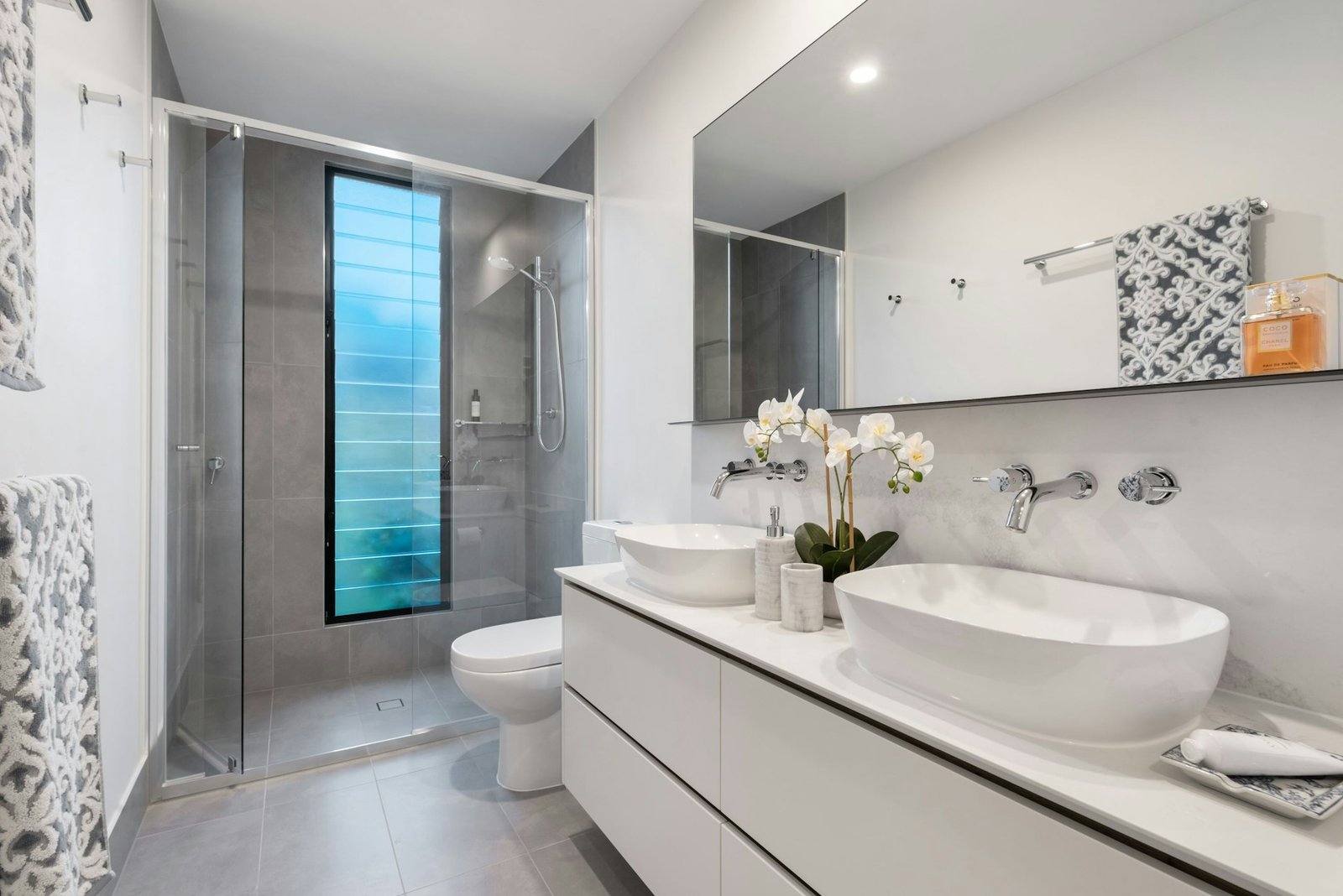
Introduction
The bathroom is one of the most frequently used spaces in any home. A well-designed bathroom should be comfortable, practical, easy to maintain, and suitable for the needs of everyone who uses it.
You do not always need a complete renovation to improve your bathroom. Simple changes such as better lighting, updated fixtures, improved storage, fresh paint, and new hardware can make a significant difference. For homeowners planning a larger project, changing the shower, vanity, flooring, or overall layout can provide a more substantial upgrade.
The best bathroom renovation ideas combine attractive design with practical features. Before beginning a project, consider your budget, available space, ventilation, plumbing, waterproofing, and maintenance requirements.
This guide explores practical bathroom improvements that can work for both small and large bathrooms.
1. Create a Bathroom Renovation Plan
Start by evaluating your current bathroom.
Identify:
- Damaged fixtures
- Poor storage
- Outdated finishes
- Insufficient lighting
- Ventilation problems
- Plumbing concerns
- Moisture issues
- Layout problems
Separate essential repairs from cosmetic changes.
If there are leaks, persistent moisture problems, damaged wiring, or structural concerns, address those issues before focusing on decoration.
2. Set a Realistic Budget
Bathroom projects can range from small cosmetic updates to major renovations.
Your budget may need to cover:
- Fixtures
- Flooring
- Wall finishes
- Vanity
- Lighting
- Plumbing
- Labor
- Waterproofing
- Ventilation
- Waste removal
Keep some funds available for unexpected issues, particularly in older bathrooms.
3. Choose the Right Bathroom Layout
The layout affects how comfortable the bathroom is to use.
Before changing the position of fixtures, consider:
- Door clearance
- Shower access
- Toilet placement
- Vanity space
- Walking paths
- Storage
- Plumbing connections
Moving plumbing can significantly increase project complexity and cost, so avoid changing the layout unless there is a clear benefit.
4. Upgrade the Bathroom Vanity
A vanity can become one of the main visual features of the bathroom.
Consider:
- Cabinet storage
- Countertop space
- Sink size
- Easy-to-clean surfaces
- Appropriate dimensions
Choose a vanity that provides enough storage without making the room difficult to move through.
5. Improve Bathroom Storage
Good storage can make a bathroom feel much more organized.
Useful options include:
- Vanity drawers
- Medicine cabinets
- Floating shelves
- Wall-mounted cabinets
- Storage baskets
- Built-in niches
Store everyday products within easy reach while keeping less frequently used items elsewhere.
6. Install a Better Mirror
A bathroom mirror is both practical and decorative.
Consider a mirror that fits the width of the vanity and complements the overall design.
You could also consider a mirrored medicine cabinet if additional storage is needed.
7. Improve Bathroom Lighting
Good bathroom lighting is essential.
Use different layers of lighting where appropriate.
General Lighting
Provides overall illumination.
Task Lighting
Helps with activities such as grooming.
Accent Lighting
Can highlight architectural or decorative features.
Place lighting carefully to reduce unwanted shadows around the mirror.
Any electrical work in a bathroom should be completed according to applicable safety requirements by a qualified professional where appropriate.
8. Upgrade the Shower
The shower is one of the most important parts of a bathroom.
Depending on the space and budget, consider:
- New shower fixtures
- Handheld shower
- Rain-style showerhead
- Glass enclosure
- Built-in storage niche
- Improved drainage
Choose products that are appropriate for the existing plumbing and installation conditions.
9. Create a Walk-In Shower
A walk-in shower can provide a modern and open appearance.
It may be particularly useful for people who prefer easier access.
However, shower waterproofing and drainage need to be planned correctly.
For major shower construction or waterproofing work, use an appropriately qualified professional.
10. Refresh the Shower Walls
If the existing shower structure is sound, changing wall finishes can provide a noticeable update.
Possible materials include:
- Ceramic tile
- Porcelain tile
- Stone
- Glass
- Other suitable waterproof finishes
Choose materials based on moisture exposure, cleaning requirements, durability, and installation conditions.
11. Upgrade Bathroom Flooring
Bathroom floors need to handle moisture and regular cleaning.
Consider materials such as:
- Porcelain tile
- Ceramic tile
- Natural stone
- Suitable waterproof flooring products
Choose surfaces that provide appropriate slip resistance for the intended application.
12. Add Underfloor Heating
In suitable homes and climates, underfloor heating can make bathroom floors more comfortable.
It requires proper planning and installation.
Electrical or hydronic systems should be installed according to manufacturer requirements and applicable regulations.
13. Improve Bathroom Ventilation
Proper ventilation is extremely important in bathrooms.
A suitable exhaust system can help remove moisture and reduce condensation.
Make sure ventilation equipment is maintained and functioning properly.
Persistent dampness, mold, or condensation may indicate a larger ventilation or moisture problem that should be professionally assessed.
14. Refresh the Walls With Paint
A new coat of suitable bathroom paint can quickly refresh the room.
Choose products designed for the bathroom environment and follow the manufacturer’s preparation and application instructions.
Light colors can help smaller bathrooms feel brighter.
15. Use Light Colors in Small Bathrooms
Small bathrooms can benefit from a lighter color palette.
Consider:
- White
- Cream
- Light gray
- Beige
- Soft blue
You can introduce stronger colors through towels, artwork, accessories, or selected tile details.
16. Add a Feature Wall
A feature wall can add personality without requiring every surface to be decorative.
Consider using:
- Patterned tile
- Textured finishes
- Decorative paint
- Natural-looking materials
The wall behind the vanity or shower can work as a visual focal point.
17. Upgrade Bathroom Hardware
Small hardware changes can provide an inexpensive refresh.
Consider replacing:
- Cabinet handles
- Drawer pulls
- Towel bars
- Toilet paper holders
- Robe hooks
Choose finishes that coordinate with the faucet, shower fixtures, and other bathroom elements.
18. Replace an Old Faucet
A modern faucet can improve both functionality and appearance.
When selecting one, consider:
- Sink compatibility
- Mounting configuration
- Water efficiency
- Height
- Reach
- Cleaning requirements
Check measurements before purchasing.
19. Improve the Toilet Area
If the toilet is old or no longer functioning properly, replacement may be worth considering.
When choosing a new toilet, consider:
- Size
- Water use
- Bowl shape
- Installation requirements
- Cleaning
- Compatibility with existing plumbing
A qualified professional can help with more complex installations.
20. Add a Shower Niche
A shower niche can provide convenient storage without taking up floor space.
It can hold:
- Shampoo
- Conditioner
- Soap
- Shower accessories
Proper waterproofing is essential when creating a recessed niche.
21. Use Floating Bathroom Furniture
Floating vanities and wall-mounted storage can create a lighter visual appearance.
They can also make floor cleaning easier.
Make sure wall-mounted fixtures are securely installed and supported appropriately.
22. Improve the Bathroom Door
If the bathroom door takes up valuable space, consider whether another configuration could work better.
Depending on the property, options may include:
- Sliding doors
- Pocket doors
- Repositioning the door
Major door changes should be planned carefully to ensure privacy, ventilation, safety, and building requirements are considered.
23. Add Practical Accessories
Accessories can improve convenience without requiring construction.
Consider:
- Towel hooks
- Shelves
- Baskets
- Bath mats
- Shower organizers
- Laundry hampers
Choose accessories that are suitable for moisture-rich environments.
24. Create a Spa-Like Bathroom
A relaxing bathroom does not necessarily need expensive materials.
Create a calm atmosphere using:
- Soft lighting
- Neutral colors
- Natural textures
- Greenery suitable for the environment
- Simple accessories
- Comfortable towels
Keep the design uncluttered.
25. Add Plants Carefully
Some plants can work well in bathrooms with sufficient natural light and appropriate conditions.
Before adding plants, consider:
- Humidity
- Available sunlight
- Maintenance
- Water requirements
Avoid placing plants where they interfere with ventilation, electrical equipment, or safe movement.
26. Improve a Small Bathroom
Small bathrooms require careful planning.
Use:
- Compact vanities
- Wall-mounted storage
- Large-format visual elements where suitable
- Light colors
- Mirrors
- Glass shower screens
- Vertical storage
Avoid oversized furniture and unnecessary accessories.
27. Make a Bathroom More Accessible
Accessibility can be an important part of bathroom planning.
Depending on household needs, consider:
- Grab bars
- Non-slip surfaces
- Walk-in showers
- Handheld showerheads
- Comfortable-height fixtures
- Clear walking areas
Accessibility products should be installed correctly and securely.
28. Upgrade Bathroom Windows
If the bathroom has a window, make sure it provides appropriate privacy and ventilation.
Consider suitable:
- Privacy glass
- Window coverings
- Moisture-resistant frames
- Ventilation solutions
Any window replacement should account for local building requirements and moisture conditions.
29. Choose Easy-to-Maintain Materials
A beautiful bathroom can become frustrating if it requires excessive maintenance.
Before choosing materials, consider:
- Cleaning
- Staining
- Grout maintenance
- Moisture exposure
- Durability
- Replacement costs
Simple, durable finishes are often easier to maintain over time.
30. Plan Your Renovation in Phases
If a complete renovation is outside your budget, divide the work.
Phase 1: Repairs
Fix leaks, ventilation issues, damaged surfaces, and other necessary problems.
Phase 2: Functional Upgrades
Improve storage, lighting, fixtures, and organization.
Phase 3: Cosmetic Improvements
Update paint, hardware, accessories, and decorative finishes.
Phase 4: Major Renovation
Consider flooring, shower construction, vanity replacement, or layout changes if necessary.
Bathroom Renovation Checklist
| Area | Possible Upgrade | Main Benefit |
|---|---|---|
| Vanity | New cabinet or countertop | Storage and appearance |
| Lighting | Layered lighting | Better visibility |
| Shower | New fixtures | Comfort |
| Flooring | Moisture-suitable flooring | Durability |
| Storage | Shelves or niches | Organization |
| Mirror | Larger or updated mirror | Function and style |
| Ventilation | Improved exhaust | Moisture management |
| Hardware | New handles and bars | Quick visual update |
| Paint | Bathroom-appropriate finish | Fresh appearance |
| Accessories | Organizers and hooks | Convenience |
Common Bathroom Renovation Mistakes
Avoid:
- Ignoring leaks
- Poor waterproofing
- Insufficient ventilation
- Choosing slippery flooring
- Buying fixtures without measuring
- Overcrowding the room
- Ignoring storage
- Poor lighting placement
- Attempting complex plumbing or electrical work without appropriate qualifications
Careful planning can prevent expensive corrections later.
Frequently Asked Questions
What are the easiest bathroom renovation ideas?
Updating lighting, mirrors, hardware, paint, storage, and accessories can provide a noticeable improvement without major construction.
How can I renovate a bathroom on a budget?
Focus on high-impact changes such as paint, hardware, lighting, storage, mirrors, and selected fixtures rather than changing the entire room.
What is the best flooring for a bathroom?
Choose flooring that is suitable for moisture exposure and provides appropriate slip resistance. Ceramic and porcelain tile are common options, but the best choice depends on the specific bathroom and installation conditions.
How can I make a small bathroom look larger?
Use light colors, mirrors, appropriate lighting, compact fixtures, vertical storage, and an uncluttered layout.
Is a walk-in shower a good bathroom upgrade?
A walk-in shower can provide an open, modern appearance and may improve accessibility, but it requires careful drainage and waterproofing.
Do I need a professional for a bathroom renovation?
Major plumbing, electrical, waterproofing, structural, and other specialized work should be handled by appropriately qualified professionals.
Conclusion
The best bathroom renovation ideas balance style, comfort, safety, storage, and long-term practicality. You do not necessarily need to completely rebuild your bathroom to make it better.
Start by addressing essential repairs and moisture concerns. Then focus on lighting, storage, fixtures, flooring, and finishes that suit the size and needs of the room.
Whether you are making a few affordable updates or planning a complete renovation, thoughtful design and proper installation can turn an ordinary bathroom into a comfortable and functional part of your home.