
Introduction
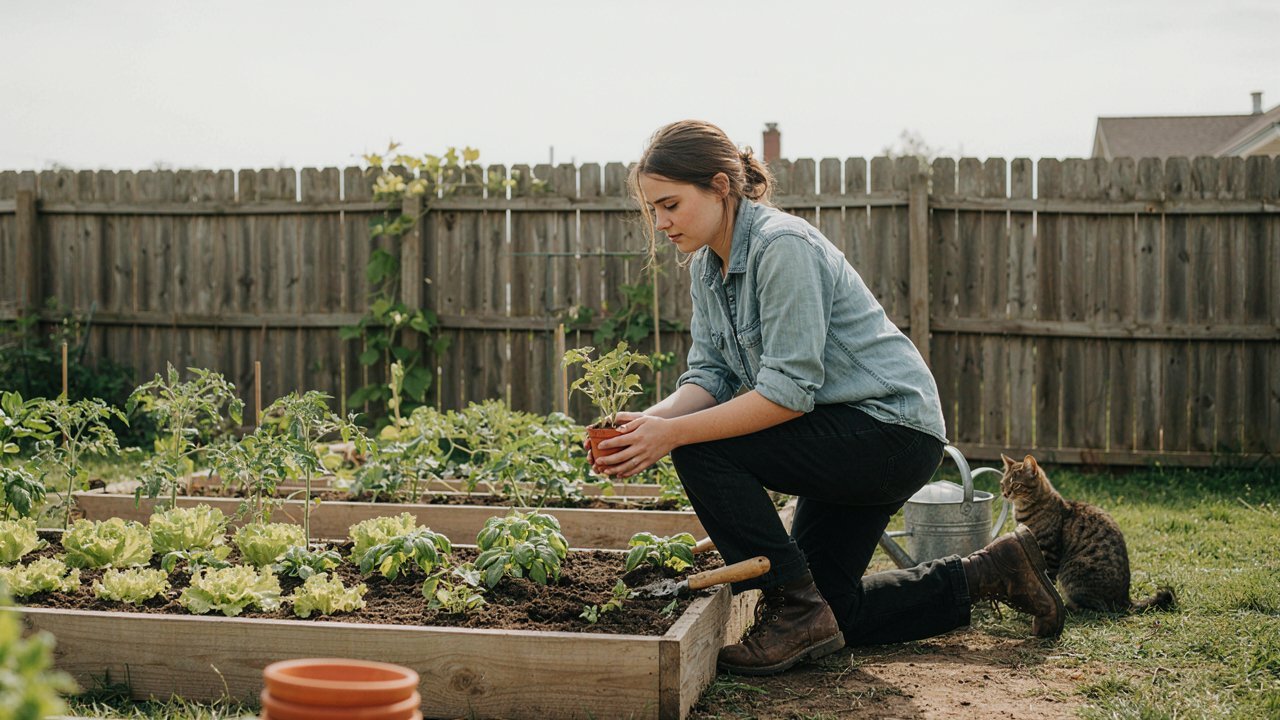
A garden can add beauty, fresh greenery, and a more relaxing atmosphere to a home. However, creating and maintaining a garden does not have to be complicated. Beginners can start with a few suitable plants, basic tools, healthy soil, and a simple maintenance routine.
These decoradhouse garden tips by decoratoradvice are designed to help homeowners understand the basics of gardening and make practical decisions. From choosing the right location to managing water and maintaining plants, each step can contribute to a healthier and easier-to-manage garden.
The most important principle is to work with the conditions you already have. Sunlight, soil, climate, available space, and the amount of time you can spend gardening should all influence your choices.
1. Start by Understanding Your Garden Space
Before buying plants, spend some time observing the area you want to use as a garden.
Check:
- How much sunlight the area receives
- Whether the soil drains properly
- How much space is available
- Whether the area is exposed to strong wind
- Where water naturally collects
- How easily the garden can be accessed
Different plants have different requirements. A plant that performs well in full sun may struggle in a heavily shaded location.
| What to Check | Why It Matters | What to Do |
|---|---|---|
| Sunlight | Plants have different light needs | Observe the area during the day |
| Soil | Roots need suitable growing conditions | Check texture and drainage |
| Water | Plants need appropriate moisture | Identify available water sources |
| Space | Plants need room to grow | Measure planting areas |
| Wind | Strong wind can damage plants | Consider sheltered locations |
Taking a little time to understand the space can prevent unsuitable plant choices later.
2. Choose Plants That Suit Your Conditions
One of the most common beginner gardening mistakes is choosing plants based only on appearance.
A better approach is to consider whether the plant matches your local growing conditions.
Look at:
- Sun requirements
- Water requirements
- Mature plant size
- Soil preferences
- Seasonal conditions
- Maintenance requirements
Native or well-adapted plants can often be easier to manage because they are suited to local environmental conditions.
Before purchasing a plant, check its care requirements from a reliable nursery, gardening reference, or plant label.
3. Prepare Healthy Soil
Healthy soil provides plants with support, water, air, and nutrients. Soil preparation is therefore an important part of starting a garden.
Begin by removing large stones, unwanted debris, and existing weeds where appropriate. Loosen compacted soil carefully and consider adding suitable organic matter if the soil needs improvement.
A simple soil assessment can help identify potential problems.
Signs to Watch For
- Very compact soil
- Poor drainage
- Extremely dry soil
- Excessive standing water
- Low organic matter
- Unusual plant growth
If you are unsure about your soil condition, a local soil test can provide more useful information than guessing.
4. Plan Your Garden Before Planting
A basic garden plan can save time and reduce unnecessary purchases.
Draw a simple layout showing:
- Planting areas
- Walkways
- Larger plants
- Smaller plants
- Water access
- Seating or decorative areas
Place taller plants where they will not unnecessarily block sunlight from shorter plants.
Keep enough space between plants according to their expected mature size. A garden may look sparse at first, but plants can become crowded as they grow.
5. Water Plants Correctly
Watering is essential, but more water is not always better. Overwatering can create problems for plants that require well-drained soil.
The right watering schedule depends on factors such as:
- Plant type
- Soil type
- Temperature
- Rainfall
- Container size
- Garden location
Check the soil before watering rather than following a rigid schedule for every plant.
| Situation | General Approach |
|---|---|
| Newly planted plants | Monitor moisture more frequently |
| Established plants | Water according to their needs |
| Hot weather | Check soil more often |
| After rainfall | Check whether additional water is needed |
| Containers | Monitor moisture because they can dry faster |
Watering requirements vary considerably between plant species, so always consider the individual plant.
6. Use Mulch Where Appropriate
Mulch can be useful in many garden beds. It can help reduce evaporation, suppress some weeds, and protect the soil surface.
Common mulch materials include:
- Shredded bark
- Wood chips
- Compost
- Leaves
- Other suitable organic materials
Keep mulch away from direct contact with plant stems or tree trunks. Excessively thick layers can create moisture and airflow problems.
7. Give Plants Enough Space
Crowded plants compete for light, water, nutrients, and airflow.
When planting, check the recommended spacing for each species. Avoid placing plants too close together simply because you want the garden to look full immediately.
Proper spacing can also make maintenance easier because you can reach plants for watering, pruning, inspection, and harvesting where applicable.
8. Create a Simple Garden Maintenance Routine
Gardening becomes easier when maintenance is divided into small, regular tasks.
Weekly Tasks
Depending on the season and garden type:
- Check plants for visible problems
- Remove weeds
- Check soil moisture
- Remove fallen or damaged plant material
- Inspect containers and garden beds
Monthly or Seasonal Tasks
You may also need to:
- Prune suitable plants
- Refresh mulch
- Clean garden tools
- Check supports and stakes
- Review plant growth
- Adjust planting plans
Not every task needs to be completed every week. Your maintenance schedule should match the plants and local conditions.
Highlight: Start Small
Beginners do not need to create a large garden immediately.
Start with a manageable area and learn how your plants respond to sunlight, water, soil, and seasonal changes. Once you understand what works, you can gradually expand the garden.
Starting small also makes it easier to identify problems before they affect a larger planting area.
9. Learn Basic Pruning Practices
Pruning can help maintain the shape and health of suitable plants, but it should not be done automatically to every plant.
Before pruning, identify:
- The plant species
- The reason for pruning
- The appropriate season
- The correct pruning method
Remove dead, damaged, or diseased growth when appropriate, while avoiding unnecessary cutting.
Use clean, suitable tools and follow species-specific guidance for plants that require specialized pruning.
10. Keep Garden Tools Clean and Organized
Good tools can make gardening easier, but they also need care.
Basic gardening tools may include:
- Hand trowel
- Pruning shears
- Garden gloves
- Watering can or hose
- Hand cultivator
- Spade
- Rake
Clean soil from tools after use and store them somewhere dry when practical.
Sharp cutting tools should be handled carefully and kept away from children.
11. Watch for Pests and Plant Problems
Regular inspection makes it easier to notice problems early.
Look for:
- Chewed leaves
- Discolored foliage
- Wilting
- Unusual spots
- Distorted new growth
- Visible insects
- Damaged stems
Do not automatically assume that every insect is harmful. Some insects are beneficial to gardens.
If a plant problem is identified, determine the likely cause before applying a treatment. Misidentifying the problem can lead to unnecessary or ineffective treatments.
12. Encourage Useful Garden Wildlife
A healthy garden can provide habitat and food for beneficial insects, birds, and other wildlife.
Depending on your location, useful approaches may include:
- Planting a variety of flowering plants
- Providing suitable shelter
- Avoiding unnecessary pesticide use
- Including plants that provide food for pollinators
- Maintaining a range of plant heights
Choose plants that are appropriate for your local environment and avoid introducing invasive species.
13. Make a Small Garden More Attractive
A garden does not need to be large to look attractive.
Small spaces can benefit from:
- Container gardening
- Vertical planting
- Decorative pots
- Simple pathways
- Raised planters
- Layered plant heights
- Small seating areas
Use repetition and a limited selection of complementary plants to create a more organized appearance.
| Space | Useful Idea |
|---|---|
| Balcony | Containers and vertical planters |
| Small yard | Raised beds |
| Narrow area | Tall, narrow planting |
| Patio | Decorative pots |
| Shaded corner | Shade-tolerant plants |
Always select plants according to their actual growing requirements rather than choosing them solely for appearance.
14. Avoid Common Beginner Mistakes
New gardeners often make a few predictable mistakes.
Planting Too Much
Starting with too many plants can make maintenance difficult.
Overwatering
More water does not automatically mean healthier plants.
Ignoring Mature Size
A small plant at the nursery may become much larger over time.
Poor Plant Placement
Plants that need full sunlight may struggle in heavily shaded locations.
Skipping Maintenance
Even a well-designed garden requires regular observation and care.
Learning from these mistakes can make future gardening decisions easier.
Beginner Garden Checklist
Use this checklist before starting:
- Observe sunlight levels
- Check soil and drainage
- Measure the available space
- Choose suitable plants
- Plan plant spacing
- Prepare the soil
- Organize watering
- Gather basic tools
- Create a maintenance routine
- Monitor plants regularly
Frequently Asked Questions
What are decoradhouse garden tips by decoratoradvice?
Decoradhouse garden tips by DecoratorAdvice are practical gardening ideas focused on helping homeowners plan, plant, maintain, and improve their garden spaces.
What should a beginner do first when starting a garden?
Start by observing the available space. Check sunlight, soil, drainage, water access, and available room before choosing plants.
How often should I water my garden?
There is no single watering schedule for every garden. Plant type, soil, temperature, rainfall, and garden location all affect watering needs. Check soil moisture and follow the requirements of individual plants.
What are the easiest plants for beginners?
Plants suitable for beginners vary by climate and growing conditions. Choose species that are well adapted to your local environment and have care requirements that match the time you can spend gardening.
Should I use mulch in my garden?
Mulch can help conserve soil moisture and suppress some weeds. Choose an appropriate material and avoid piling mulch directly against plant stems or tree trunks.
How can I make a small garden look bigger?
Use vertical planting, organized pathways, containers, varied plant heights, and a simple layout. Avoid overcrowding the space with too many plants.
How can I identify garden pests?
Regularly inspect leaves, stems, and new growth for visible insects, holes, discoloration, or unusual damage. Identify the cause before selecting a treatment.
Do I need expensive gardening tools?
No. Beginners can start with a small collection of basic tools such as gloves, a trowel, pruning shears, and a watering method appropriate for the garden.
Conclusion
Creating a healthy garden does not require expert-level knowledge or a large budget. The most important steps are understanding your growing space, choosing suitable plants, preparing the soil, managing water carefully, and maintaining the garden regularly.
These decoradhouse garden tips by decoratoradvice provide a practical starting point for beginners and homeowners who want to create a more attractive and manageable outdoor space.
Start small, observe how your plants respond, and adjust your approach as you gain experience. With suitable planning and consistent care, a simple garden can become a valuable part of your home environment.