Introduction
Home improvements can make a property more comfortable, functional, and attractive. However, not every project offers the same practical benefits. Before spending money on an upgrade, homeowners should consider how often they will use it, what problem it solves, how much maintenance it requires, and whether the improvement fits the property.
Understanding Which Home Improvements Pay Off Heartomenal can help homeowners plan projects more carefully. Some improvements focus on comfort and convenience, while others can improve efficiency, durability, or the overall condition of a home.
The right project depends on the home’s age, condition, location, household needs, and available budget.
What Makes a Home Improvement Worth Considering?
A useful home improvement generally provides one or more practical benefits. It may solve an existing problem, improve daily functionality, reduce maintenance needs, or make a home more comfortable.
Consider these questions before starting a project:
- Does the improvement solve a real problem?
- Will the household use it regularly?
- Is the cost reasonable for the project?
- Will it require additional maintenance?
- Does it improve safety or efficiency?
- Is the improvement appropriate for the property?
These questions can help prevent spending money on upgrades that look appealing but provide limited everyday value.
1. Improve Energy Efficiency
Energy-efficiency improvements can be useful because they focus on how a home operates rather than simply how it looks.
Potential projects include:
- Improving insulation where appropriate
- Sealing drafts around doors and windows
- Using efficient lighting
- Maintaining heating and cooling equipment
- Replacing outdated appliances with efficient models when needed
- Installing appropriate window coverings
The potential benefit depends on the home’s existing condition and the local climate. Before making a major investment, homeowners should understand the expected costs and practical benefits.
2. Upgrade the Kitchen for Better Functionality
The kitchen is one of the most frequently used areas of many homes. Small functional improvements can make cooking, cleaning, and storage easier.
Useful upgrades may include:
- Better cabinet organization
- Improved task lighting
- Durable countertop materials
- Additional storage
- Updated faucets
- Improved ventilation
- Replacing damaged or inefficient appliances
A complete kitchen renovation is not always necessary. Sometimes changing one problem area can provide a meaningful improvement.
Kitchen Upgrade Checklist
| Improvement | Main Purpose | Consideration |
|---|---|---|
| Cabinet organizers | Better storage | Measure available space |
| Task lighting | Better visibility | Plan placement carefully |
| Faucet replacement | Function and convenience | Check plumbing compatibility |
| Appliance upgrade | Efficiency and performance | Compare operating costs |
| Ventilation improvement | Air movement | Check installation requirements |
3. Improve Bathroom Functionality
Bathrooms benefit from improvements that make them easier to clean, safer, and more convenient.
Potential upgrades include:
- Replacing damaged fixtures
- Improving ventilation
- Updating lighting
- Adding practical storage
- Replacing worn sealant
- Improving shower functionality
- Installing appropriate safety features
Moisture management is particularly important in bathrooms. Good ventilation and timely maintenance can help reduce moisture-related problems.
4. Improve Storage and Organization
Storage improvements are often practical because they address a common everyday problem: clutter.
Instead of immediately adding a new room or expensive built-in furniture, look at how existing space is being used.
Consider:
- Built-in shelving
- Closet organizers
- Under-bed storage
- Pantry organization
- Wall-mounted storage
- Multipurpose furniture
Before buying storage products, measure the available area and determine what needs to be stored.
5. Maintain Windows and Doors
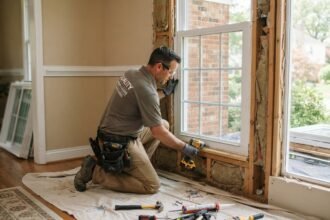
Windows and doors affect comfort, security, appearance, and energy use. Damaged frames, worn seals, sticking doors, or broken hardware can make everyday life less convenient.
Depending on their condition, homeowners might consider:
- Replacing damaged weatherstripping
- Repairing hardware
- Improving door seals
- Replacing damaged glass
- Updating locks where appropriate
- Repainting or refinishing suitable surfaces
If windows or doors are still in good condition, maintenance may be more practical than complete replacement.
6. Improve Outdoor Living Areas
Outdoor improvements can make a property more enjoyable for everyday use. The appropriate project depends on the climate, available space, and household lifestyle.
Possible improvements include:
- Repairing patios
- Improving outdoor lighting
- Creating a simple seating area
- Maintaining landscaping
- Improving drainage where necessary
- Adding shade solutions
- Repairing fences or gates
The key is to choose outdoor improvements that the household will actually use.
Highlight: Focus on Real Needs
A practical improvement should solve a genuine problem before it simply adds decoration.
If a kitchen lacks storage, consider adding practical storage solutions. Poor bathroom ventilation may call for better airflow or an improved ventilation system. For a constantly cluttered entryway, a dedicated organization system can make daily routines much easier.
Starting with real household needs can make a renovation plan more focused.
7. Prioritize Safety and Maintenance
Some of the most valuable improvements may not be visually dramatic. Repairs that address safety, water intrusion, deterioration, or damaged systems can protect the condition of a property.
Homeowners should pay attention to:
- Water leaks
- Damaged electrical components
- Loose handrails
- Poorly maintained stairs
- Roof or gutter problems
- Moisture damage
- Deteriorating exterior materials
Major electrical, gas, structural, or roofing work may require a qualified professional.
8. Improve Lighting
Good lighting can change how a room functions without requiring a major renovation.
Different areas may need different types of lighting. Kitchens often benefit from task lighting, while living rooms may need a combination of general and accent lighting.
Before changing fixtures, consider:
- Room purpose
- Existing electrical connections
- Light placement
- Brightness requirements
- Energy use
- Installation requirements
A well-planned lighting upgrade can improve visibility and everyday comfort.
9. Refresh High-Use Interior Spaces
Not every improvement needs to involve a major structural change. Paint, hardware, storage, and small fixture updates can refresh frequently used areas.
Examples include:
- Repainting walls
- Replacing worn cabinet handles
- Updating light fixtures
- Repairing damaged trim
- Replacing worn flooring in selected areas
- Improving room organization
These smaller projects can often be planned independently instead of being part of a complete renovation.
Home Improvement Planning Table
| Project Type | Primary Benefit | Planning Priority |
|---|---|---|
| Safety repairs | Reduces household risks | High |
| Water or moisture repairs | Protects property condition | High |
| Energy improvements | Can improve efficiency | Medium to High |
| Kitchen upgrades | Improves functionality | Medium |
| Bathroom improvements | Comfort and usability | Medium |
| Storage solutions | Better organization | Medium |
| Decorative updates | Appearance | Based on preference |
| Outdoor improvements | Usability and appearance | Based on lifestyle |
The priority of each project can vary depending on the property’s condition and the homeowner’s needs.
10. Consider Cost Before Starting
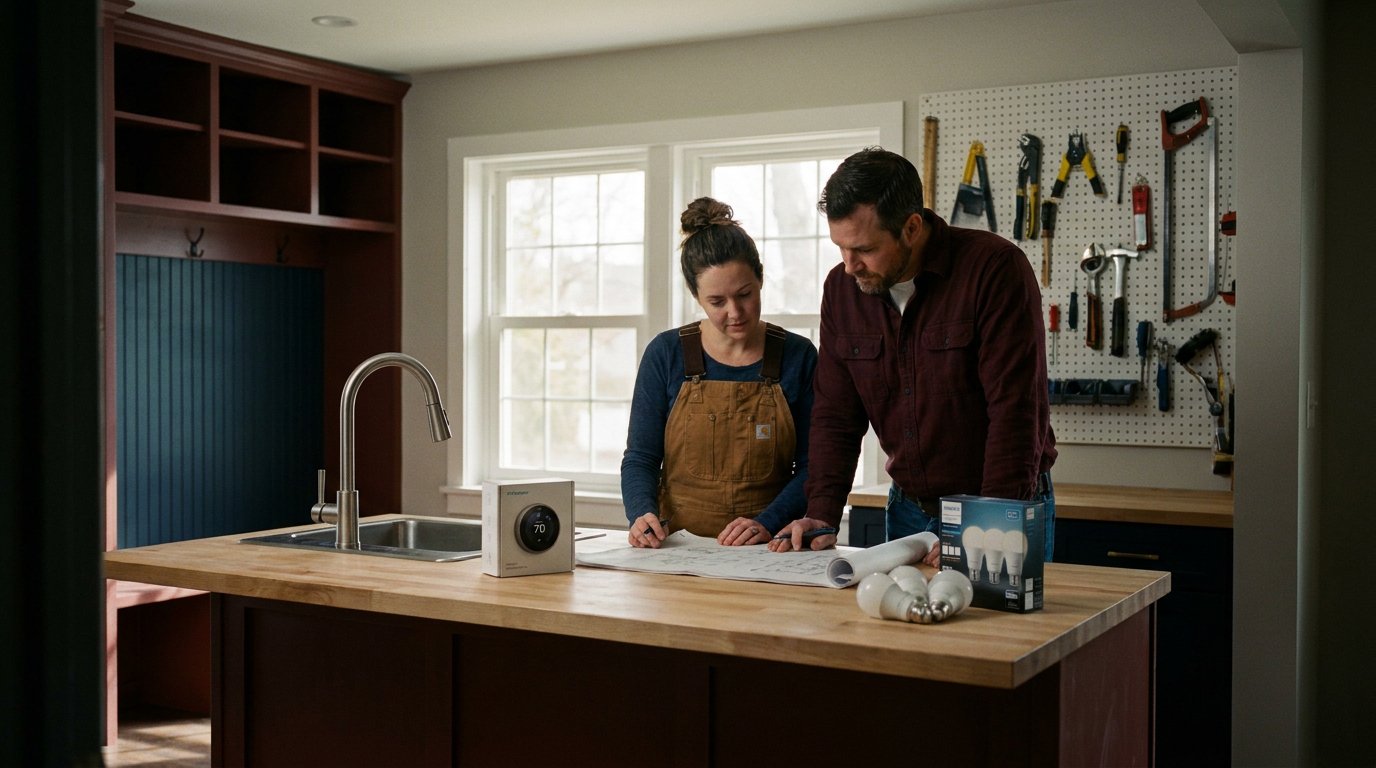
A home improvement budget should include more than the price of materials. Labor, permits where applicable, delivery, disposal, unexpected repairs, and maintenance can also affect the final cost.
Create a basic project estimate before beginning.
Simple Budget Formula
Materials + Labor + Additional Costs + Contingency = Project Budget
A contingency amount can help account for unexpected issues, especially when working on older homes.
Avoid starting a project without understanding its likely total cost.
How to Choose the Right Improvement
If several projects are competing for your budget, compare them based on practical factors.
Ask:
- Does the project address an urgent problem?
- Will it improve daily use?
- How often will the improvement be used?
- What maintenance will it require?
- Can the project be completed within the available budget?
- Does the project fit the existing home?
This approach helps turn a long renovation wish list into a manageable plan.
Frequently Asked Questions
Which Home Improvements Pay Off Heartomenal?
The improvements that provide practical benefits can be worth considering, including maintenance, safety, energy-efficiency, storage, kitchen functionality, bathroom improvements, and other upgrades that address genuine household needs.
Are expensive renovations always better?
No. Cost alone does not determine the usefulness of a renovation. A smaller project that solves a frequent household problem may provide more practical value than an expensive upgrade that is rarely used.
Should I renovate or repair first?
Important repairs and safety issues generally deserve attention before cosmetic improvements. Addressing leaks, structural concerns, damaged systems, and other urgent problems can help protect the home.
Are energy-efficient upgrades worth considering?
They can be, depending on the home’s current efficiency, local conditions, equipment, installation costs, and expected usage. Homeowners should compare the project cost with its expected benefits.
How can I control renovation costs?
Define the project clearly, compare material and labor costs, avoid unnecessary changes during construction, and maintain a reasonable contingency for unexpected expenses.
Should I improve the kitchen or bathroom first?
There is no universal answer. Consider which space has the bigger functional problem, which project fits your budget, and which improvement will provide the most useful change for your household.
Conclusion
Understanding Which Home Improvements Pay Off Heartomenal starts with looking beyond appearance. The most practical projects are often those that improve safety, functionality, comfort, efficiency, organization, or the condition of the property.
Homeowners do not need to renovate everything at once. Start by identifying genuine problems, setting a realistic budget, and prioritizing projects according to need. Small improvements can be completed gradually, while larger renovations should receive careful planning before work begins.
A thoughtful home improvement plan focuses on how a property is actually used. By choosing upgrades that fit the home’s condition and the household’s needs, homeowners can create a more comfortable, functional, and manageable living space.