
Introduction
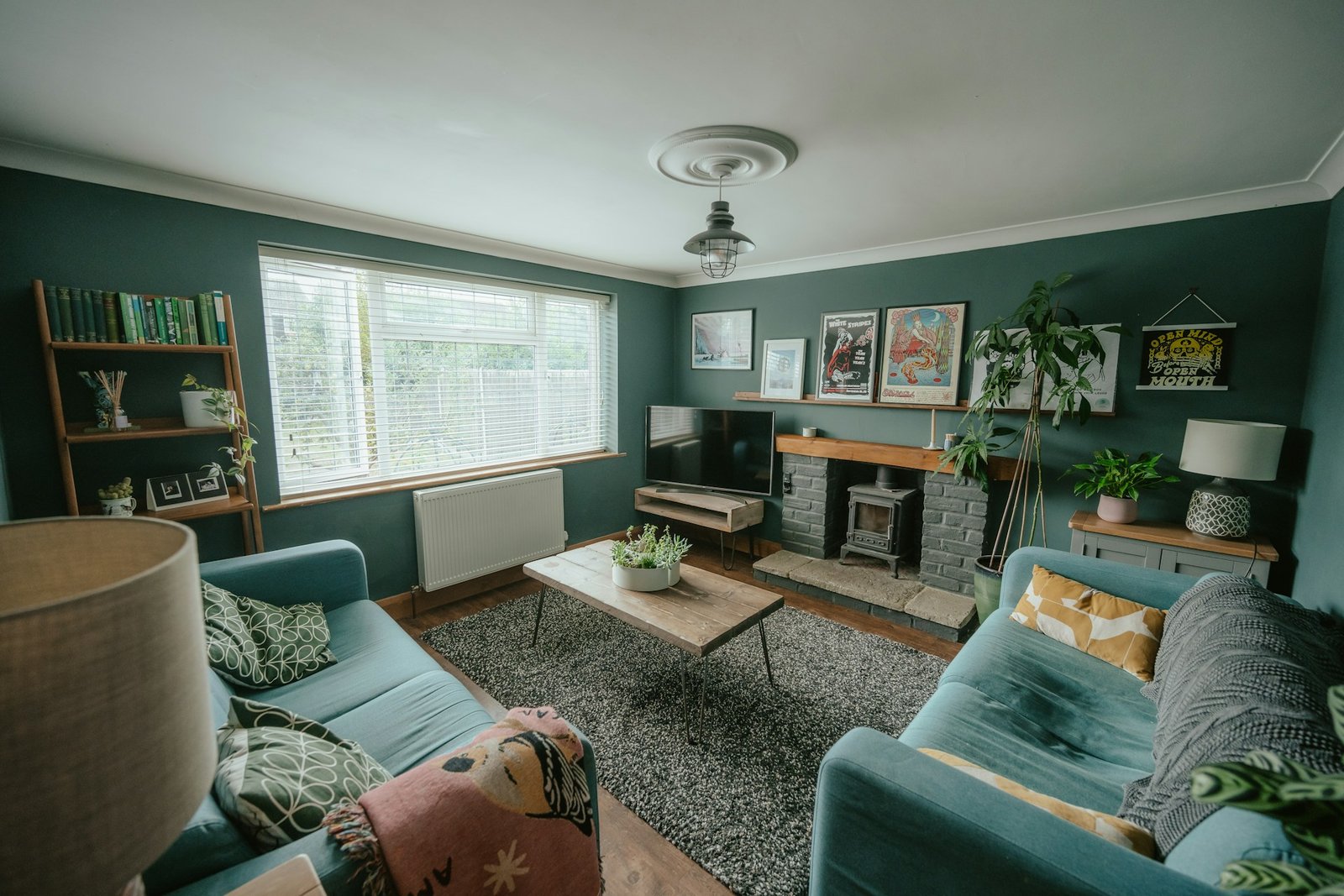
Improving your home does not always require a large renovation budget. In many cases, small and affordable changes can make rooms feel cleaner, more comfortable, organized, and attractive.
Whether you live in a small apartment, family house, rental property, or compact home, practical upgrades can improve the way you use your space. A fresh coat of paint, better lighting, organized storage, updated hardware, or rearranged furniture can sometimes make a bigger difference than expensive renovations.
The best small home improvement ideas focus on solving everyday problems while making the home more enjoyable. Instead of trying to change everything at once, choose projects that provide the greatest benefit for your available budget.
This guide covers affordable improvements that can be completed gradually.
1. Start With Decluttering
Before spending money, remove things you no longer need.
Go through each room and separate belongings into categories such as:
- Keep
- Donate
- Recycle
- Dispose
- Store
Decluttering creates more usable space and can make your home feel larger without any construction.
2. Rearrange Your Furniture
Changing the furniture arrangement can completely change how a room feels.
Try different layouts that improve:
- Walking paths
- Conversation areas
- Natural light
- Television viewing
- Access to storage
Measure larger furniture before moving it repeatedly.
3. Refresh the Walls With Paint
Paint is one of the most affordable ways to transform a room.
Light colors can make smaller rooms feel brighter.
Consider:
- White
- Cream
- Beige
- Soft gray
- Light blue
- Pale green
You can also create an accent wall instead of painting the entire room.
4. Update Cabinet Hardware
Replacing cabinet handles and drawer pulls can give kitchens, bathrooms, and storage furniture a fresh appearance.
Choose hardware that matches the existing style.
This small improvement can provide a noticeable visual change without replacing cabinets.
5. Improve Lighting
Poor lighting can make even a beautiful room feel uncomfortable.
Affordable improvements include:
- Table lamps
- Floor lamps
- LED bulbs
- Under-cabinet lighting
- Wall lights
- Better ceiling fixtures
Use different lighting levels for different activities.
6. Clean and Improve Light Fixtures
Sometimes you do not need new lighting.
Cleaning dusty lamps, shades, and fixtures can improve light output and appearance.
Replace damaged or unsuitable bulbs where appropriate.
7. Add Mirrors
A strategically placed mirror can reflect natural or artificial light and create a sense of greater depth.
Consider mirrors in:
- Hallways
- Bedrooms
- Living rooms
- Small bathrooms
- Entryways
Choose a location where the reflection adds visual value.
8. Create Affordable Storage
Storage does not have to be expensive.
Use:
- Baskets
- Storage boxes
- Floating shelves
- Drawer organizers
- Hooks
- Wall-mounted racks
Use vertical space where floor space is limited.
9. Improve Closet Organization
An organized closet can feel much larger.
Try:
- Matching hangers
- Shelf organizers
- Drawer dividers
- Storage boxes
- Hanging organizers
Group similar clothing together and store seasonal items separately when appropriate.
10. Use Under-Bed Storage
The space beneath the bed can provide valuable storage.
Use suitable containers for:
- Bedding
- Seasonal clothing
- Shoes
- Bags
- Less frequently used items
Keep stored belongings protected from dust and moisture.
11. Refresh Curtains
Changing curtains can alter the atmosphere of a room.
Consider:
- Light-filtering curtains
- Privacy curtains
- Simple neutral fabrics
- Blinds
- Layered window treatments
Choose window coverings based on privacy, sunlight, maintenance, and room style.
12. Add an Affordable Area Rug
A rug can make a room feel warmer and more finished.
Choose a size appropriate for the furniture arrangement.
For high-traffic areas, prioritize durability and easy cleaning.
13. Add Indoor Plants
Plants can bring natural color into a home.
Affordable options can include:
- Small potted plants
- Herbs
- Hanging plants
- Low-maintenance varieties
Choose plants according to available light and maintenance requirements.
14. Upgrade the Entryway
A small entryway improvement can make everyday routines easier.
Add:
- Hooks
- Shoe storage
- Small bench
- Mirror
- Basket
Keep the area clear enough for comfortable movement.
15. Improve Kitchen Organization
You do not need new cabinets to improve a kitchen.
Use:
- Drawer dividers
- Shelf risers
- Pantry containers
- Spice organizers
- Under-sink storage
- Wall-mounted racks
Store frequently used items where they are easy to reach.
16. Refresh the Bathroom
Affordable bathroom improvements can include:
- New towels
- Updated shower curtain
- New mirror
- Better lighting
- Storage baskets
- New hardware
- Fresh paint
Address leaks, moisture problems, or damaged fixtures before cosmetic improvements.
17. Update the Living Room
Small changes can make the living room feel different.
Try:
- Rearranging furniture
- Changing cushions
- Adding a rug
- Improving lighting
- Adding plants
- Decluttering
- Updating artwork
Focus on comfort and functionality.
18. Create a Small Home Office
If you work or study at home, you can create a workspace without a separate room.
Consider:
- Compact desk
- Floating desk
- Wall shelf
- Comfortable chair
- Small storage unit
- Task lamp
Keep cables organized to maintain a clean appearance.
19. Improve the Bedroom
Simple bedroom updates can include:
- Fresh bedding
- New curtains
- Better lighting
- Decluttering
- Wall artwork
- Storage boxes
- Rearranged furniture
Avoid filling the room with unnecessary furniture.
20. Create a Feature Wall
A feature wall can add personality without requiring a complete redesign.
Options include:
- Paint
- Wallpaper
- Removable wallpaper where appropriate
- Wood-look panels
- Artwork
Choose one focal area rather than decorating every wall.
21. Replace Small Fixtures
Small fixtures can become outdated over time.
Consider replacing:
- Door handles
- Cabinet handles
- Towel hooks
- Curtain rods
- Light switch plates where appropriate
- House numbers
Coordinate finishes throughout the home.
22. Improve the Front Door
The front door is an important part of your home’s exterior appearance.
Affordable improvements may include:
- Cleaning
- Repainting where suitable
- New hardware
- Updated house numbers
- New door mat
- Improved entry lighting
Make sure any paint or finish is suitable for the door material and weather conditions.
23. Refresh Outdoor Areas
A small patio or balcony can be improved without a major renovation.
Add:
- Compact seating
- Potted plants
- Outdoor rug
- String or suitable outdoor lighting
- Small table
- Privacy screen where appropriate
Choose outdoor-rated products for exposed areas.
24. Improve Outdoor Storage
Outdoor storage can reduce clutter.
Consider:
- Storage boxes
- Shelves
- Storage benches
- Hooks
- Compact sheds where appropriate
Protect stored items from moisture and weather.
25. Create a Simple Garden
You do not need a large yard to create a garden.
Use:
- Containers
- Raised planters
- Window boxes
- Vertical gardening
- Small herb gardens
Choose plants suitable for your local climate and available sunlight.
26. Improve Home Energy Efficiency
Some affordable improvements can help reduce unnecessary energy use.
Consider:
- LED lighting
- Sealing obvious drafts
- Maintaining filters
- Using appropriate window coverings
- Improving insulation where practical
For larger energy-efficiency projects, professional assessment can help determine which upgrades are most suitable.
27. Improve Home Maintenance
Regular maintenance is an important part of home improvement.
Check:
- Gutters
- Doors
- Windows
- Plumbing fixtures
- Roof condition
- Exterior drainage
- Ventilation systems
Early attention to small problems can help prevent larger repairs.
28. Organize Cables
Visible cables can make a room look messy.
Use suitable:
- Cable clips
- Cable sleeves
- Cable boxes
- Behind-desk organizers
Do not overload electrical outlets or use damaged cables.
29. Use Multi-Purpose Furniture
Multi-purpose furniture can provide additional functionality without requiring more space.
Examples include:
- Storage ottomans
- Storage benches
- Sofa beds
- Folding tables
- Extendable dining tables
Choose furniture based on the room’s actual dimensions.
30. Make Improvements Gradually
You do not need to complete every project at once.
Create a priority list:
First
Complete repairs and safety-related work.
Second
Improve organization and storage.
Third
Upgrade lighting and frequently used fixtures.
Fourth
Add cosmetic improvements.
Fifth
Work on outdoor areas and optional upgrades.
This approach helps you manage spending.
Budget-Friendly Home Improvement Checklist
| Improvement | Approximate Cost Level | Main Benefit |
|---|---|---|
| Decluttering | Very Low | More usable space |
| Furniture rearrangement | Free | Better layout |
| Painting | Low | Fresh appearance |
| Hardware replacement | Low | Modern look |
| Storage organizers | Low | Better organization |
| Lighting updates | Low–Medium | Comfort |
| Curtains | Low–Medium | Privacy and style |
| Plants | Low | Natural character |
| Outdoor décor | Low–Medium | Better exterior space |
| Major renovation | High | Significant structural or functional change |
Actual costs vary considerably by location, materials, labor, and project scope.
How to Prioritize Home Improvements
When your budget is limited, ask three questions:
Does it improve safety?
Safety-related problems should be prioritized.
Does it solve an everyday problem?
Storage, lighting, and layout improvements can provide ongoing benefits.
Does it improve appearance?
Cosmetic improvements can be completed after essential work.
This simple approach can help you avoid spending money on low-priority projects.
DIY Home Improvements to Consider
Some projects may be suitable for homeowners with appropriate skills, including:
- Painting
- Decluttering
- Basic organization
- Simple décor
- Furniture rearrangement
- Some furniture assembly
However, electrical, gas, structural, major plumbing, roofing, and other specialized work should be handled by appropriately qualified professionals.
Common Budget Home Improvement Mistakes
Avoid:
- Buying unnecessary décor
- Starting without a budget
- Ignoring repairs
- Choosing cheap materials that are unsuitable for the application
- Buying furniture without measuring
- Attempting specialized work without proper knowledge
- Starting too many projects at once
A smaller number of well-planned improvements can often produce better results.
Frequently Asked Questions
What are the cheapest home improvements?
Decluttering, rearranging furniture, cleaning, painting, organizing storage, and changing small accessories can often provide noticeable improvements at relatively low cost.
How can I improve my home without renovating?
Focus on paint, lighting, storage, furniture arrangement, curtains, plants, hardware, and organization.
How can I make a small home look bigger?
Use light colors, mirrors, compact furniture, vertical storage, clear pathways, and good lighting.
What home improvement should I do first?
Prioritize safety issues, essential repairs, leaks, structural concerns, and failing systems before cosmetic upgrades.
How can I improve my home on a very limited budget?
Start with free improvements such as decluttering and rearranging furniture, then consider inexpensive upgrades such as paint, storage organizers, lighting, and hardware.
Is DIY home improvement always cheaper?
Not necessarily. DIY can reduce labor costs for suitable projects, but mistakes can become expensive. Specialized work should be performed by appropriately qualified professionals.
Conclusion
The best small home improvement ideas do not require a huge budget. Simple changes such as decluttering, improving storage, refreshing paint, updating lighting, rearranging furniture, and adding suitable décor can make a home feel significantly better.
Start with free improvements, then spend money on projects that solve real problems. Prioritize safety and maintenance before cosmetic changes, and complete larger upgrades gradually.
With careful planning and a practical approach, even a limited budget can help create a home that is more comfortable, organized, attractive, and enjoyable.










One Comment