
Introduction
A kitchen upgrade can completely change the way your home looks and functions without requiring a full-scale renovation. Whether you want better storage, improved lighting, updated finishes, or a more practical layout, making the right improvements can deliver noticeable results while keeping your budget under control. If you are looking for kitchen upgrading advice mintpalment, the most important step is to focus on improvements that combine style, functionality, durability, and long-term value.
A successful kitchen upgrade does not always mean replacing everything. Simple changes such as updating cabinet hardware, improving lighting, installing a new backsplash, or reorganizing storage can make an older kitchen feel modern and efficient. Larger improvements, including new countertops, cabinets, flooring, and appliances, can also be worthwhile when planned carefully.
This guide explains practical kitchen upgrading ideas and shows you how to prioritize improvements based on your home’s needs, budget, and lifestyle.
1. Start With Your Kitchen’s Biggest Problems
Before buying new materials or choosing a design style, identify what is not working in your current kitchen. Poor storage, insufficient lighting, outdated cabinets, damaged countertops, and inefficient appliances are common problems.
Walk through the kitchen and make a list of improvements you would like to make. Then divide them into three categories:
- Essential repairs
- Functional upgrades
- Cosmetic improvements
This simple approach helps you spend money where it will have the greatest impact.
For example, replacing damaged cabinets should usually come before purchasing decorative accessories. Similarly, improving poor lighting may provide more practical value than changing a minor decorative feature.
2. Upgrade Kitchen Cabinets Without Replacing Everything
Cabinetry often has one of the biggest visual impacts in a kitchen. However, completely replacing cabinets can become expensive.
If your existing cabinet boxes are structurally sound, consider:
- Repainting or refinishing cabinet doors
- Replacing handles and knobs
- Installing soft-close hinges
- Adding drawer organizers
- Installing pull-out shelves
- Adding interior cabinet lighting
New hardware can provide an inexpensive way to give cabinets a completely different appearance. Modern black, brushed metal, brass, and stainless-steel finishes can complement a wide range of kitchen styles.
If the cabinet doors are damaged beyond repair, replacement doors may be another option worth considering.
3. Improve Kitchen Storage and Organization
One of the most useful kitchen upgrades is better storage. A beautiful kitchen can still feel frustrating when everyday items are difficult to access.
Consider using:
- Pull-out pantry shelves
- Deep drawers for pots and pans
- Vertical dividers for baking trays
- Corner cabinet organizers
- Under-sink storage systems
- Wall-mounted shelves
- Drawer organizers
Use frequently needed items in easily accessible locations and store rarely used appliances in less convenient areas.
Good organization can make a kitchen feel larger because countertops remain clear and clutter is reduced.
4. Improve Kitchen Lighting
Lighting can dramatically change both the appearance and usability of a kitchen.
A well-designed kitchen should generally combine several types of lighting. Ambient lighting provides overall illumination, while task lighting helps illuminate preparation areas. Accent lighting can highlight cabinets, shelving, artwork, or architectural features.
Useful upgrades include:
- Under-cabinet lighting
- Pendant lights above an island
- Recessed ceiling lights
- Cabinet interior lighting
- Dimmable fixtures
When choosing lighting, consider the color temperature and how it interacts with your cabinets, walls, countertops, and flooring.
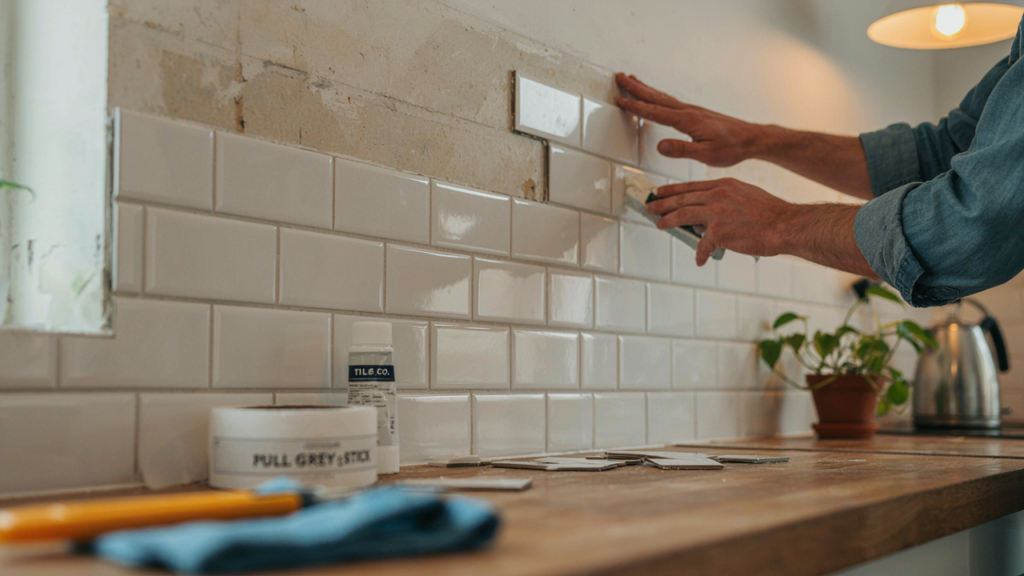
5. Consider a Kitchen Backsplash Upgrade
A backsplash can introduce color, texture, and personality without changing the entire kitchen.
Popular choices include ceramic tile, porcelain tile, natural stone, and glass. Large-format tiles can create a cleaner appearance with fewer grout lines, while smaller patterned tiles can become a decorative focal point.
For a budget-conscious upgrade, consider installing a new backsplash while keeping your existing cabinets and countertops.
Choose a material that complements the rest of your kitchen rather than competing with multiple strong design elements.
6. Upgrade Countertops Strategically
Countertops experience heavy daily use, so durability should be considered alongside appearance.
Quartz is popular because it offers a consistent appearance and relatively low maintenance. Natural stone options such as granite and quartzite can provide distinctive patterns and textures.
If replacing every countertop is outside your budget, consider upgrading only the kitchen island. A statement island countertop can create a strong focal point without requiring a complete countertop replacement.
Always consider the existing cabinets, backsplash, flooring, and appliances before selecting a countertop material.
7. Update Kitchen Appliances
Older appliances can affect both the appearance and efficiency of a kitchen. If your appliances are approaching the end of their useful life, replacing them can be a practical upgrade.
Consider energy-efficient refrigerators, dishwashers, ovens, and induction cooktops where appropriate for your household.
However, do not automatically replace appliances simply because they look dated. If an existing appliance works well and is efficient enough for your needs, your budget may be better spent on improvements with a larger visual or functional impact.
8. Create a More Functional Kitchen Layout
The layout determines how easily you can move between the refrigerator, sink, cooking area, and preparation surfaces.
Before making structural changes, consider how you actually use the kitchen. If several people cook together, sufficient circulation space becomes particularly important.
A kitchen island can provide additional preparation space and seating, but it should not make the room difficult to navigate. Measure available space carefully before installing one.
For major layout changes, professional design advice can help identify potential plumbing, electrical, structural, and ventilation challenges before construction begins.
9. Choose Durable and Easy-to-Maintain Materials
A kitchen needs to withstand spills, heat, moisture, frequent cleaning, and everyday wear.
When selecting materials, consider:
- Durability
- Maintenance requirements
- Water resistance
- Cleaning requirements
- Expected lifespan
- Overall cost
Choosing the cheapest material may not always save money over the long term. A slightly more durable option can sometimes provide better value because it requires fewer repairs or replacements.
10. Add Personal Style Without Overdoing It
Your kitchen should reflect your personality, but excessive trends can make the room feel dated quickly.
Instead of making every element trendy, choose timeless foundations and introduce personality through replaceable features such as:
- Pendant lights
- Bar stools
- Cabinet hardware
- Artwork
- Window treatments
- Decorative accessories
- Small appliances
This approach makes future updates easier and less expensive.
11. Make Sustainability Part of Your Upgrade
Sustainable kitchen improvements can benefit both the environment and your household.
Consider energy-efficient appliances, LED lighting, water-saving faucets, responsibly sourced materials, and durable products that are designed to last.
Instead of replacing perfectly usable materials, explore whether they can be repaired, refinished, reused, or repurposed. Keeping functional materials out of landfills can be an effective part of a responsible renovation strategy.
12. Set a Realistic Kitchen Upgrade Budget
One of the most important pieces of kitchen upgrading advice is to establish a budget before beginning work.
Create separate allowances for:
- Materials
- Labor
- Appliances
- Delivery
- Permits where applicable
- Unexpected repairs
It is also sensible to keep some money available for unforeseen problems. Once walls, cabinets, or flooring are opened, hidden issues such as damaged plumbing or electrical problems can sometimes appear.
A clear budget helps prevent attractive upgrades from turning into an unfinished project.
Conclusion
The best kitchen upgrades are not necessarily the most expensive ones. A successful improvement plan focuses on the changes that provide the greatest combination of functionality, appearance, durability, and value.
Start by identifying your kitchen’s biggest problems, then prioritize storage, lighting, cabinets, countertops, appliances, and layout improvements according to your needs and budget. Small upgrades can make a significant difference, while larger renovations should be carefully planned before construction begins.
Whether you are refreshing an older kitchen or creating a modern cooking space from scratch, thoughtful kitchen upgrading advice mintpalment can help you make better decisions and create a kitchen that works beautifully for everyday life.
Frequently Asked Questions
What is the most cost-effective kitchen upgrade?
Painting or refinishing cabinets, replacing hardware, improving lighting, and adding better storage are often cost-effective improvements that can significantly change a kitchen’s appearance and functionality.
How can I upgrade my kitchen on a small budget?
Start with high-impact changes such as cabinet hardware, paint, lighting, organization, and a backsplash. You do not need to replace every kitchen component to achieve a noticeable transformation.
Should I replace kitchen cabinets or refinish them?
If the cabinet boxes are strong and undamaged, refinishing or repainting them can be a more economical option. Severely damaged or poorly constructed cabinets may justify replacement.
What kitchen upgrades add the most value?
Functional improvements, quality cabinetry, durable countertops, updated lighting, efficient appliances, and a practical layout can all contribute to a more appealing and useful kitchen.
How do I make my kitchen look more modern?
Use clean cabinet lines, coordinated finishes, modern lighting, uncluttered countertops, updated hardware, and a simple color palette. Natural materials and thoughtful storage can also create a contemporary appearance.
What should I upgrade first in my kitchen?
Start with structural and functional problems, followed by storage and lighting. Cosmetic upgrades such as paint, hardware, and decorative finishes can come afterward.
Pingback: Home Upgrading Advice Mintpalment: 12 Practical Home Improvement Ideas - home upgrading advice mintpalment
Pingback: Kitchen Upgrading Tips Mintpalment: Complete Kitchen Upgrade Guide - home upgrading advice mintpalment