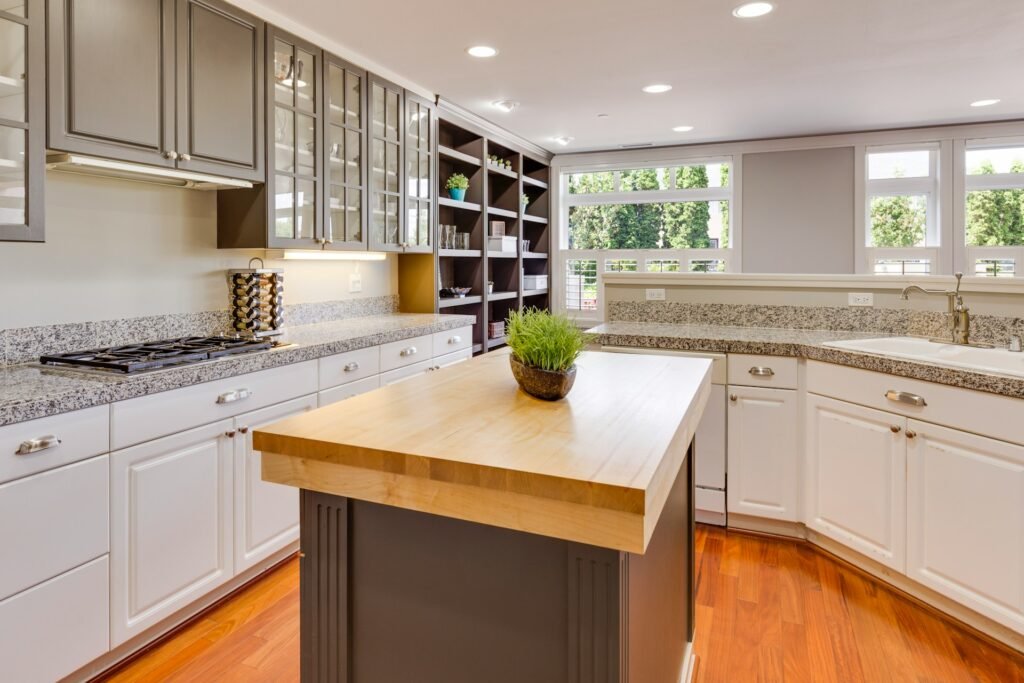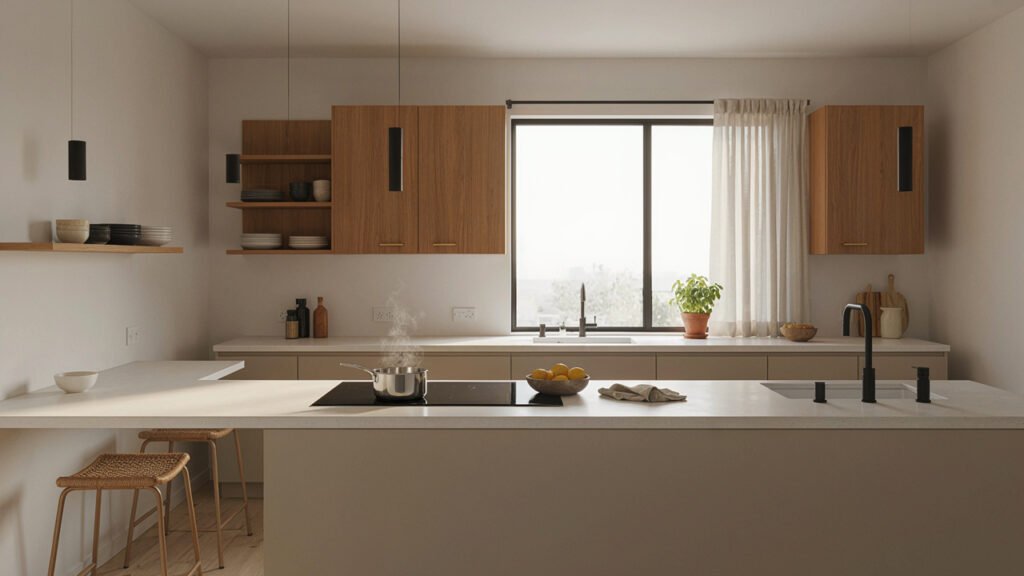
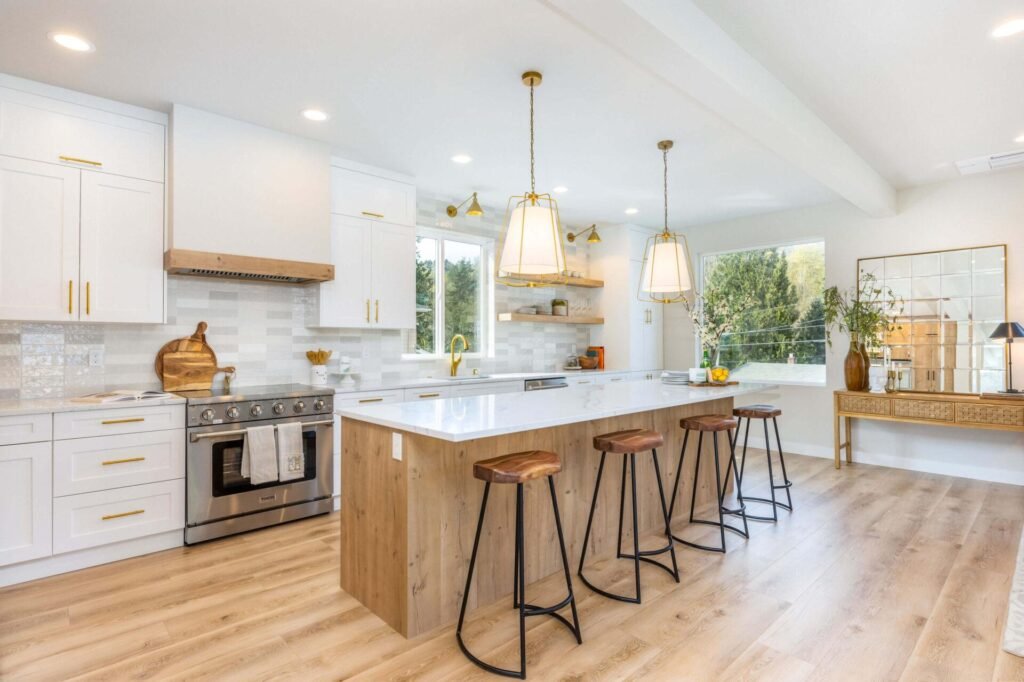
The kitchen is one of the most frequently used spaces in a home. It is where families prepare meals, share conversations, and often gather throughout the day. However, an outdated layout, worn cabinets, poor lighting, or limited storage can make everyday tasks more difficult than they need to be. Fortunately, you do not always need a complete renovation to create a kitchen that looks better and works more efficiently.
The best ideas for upgrading my kitchen start with understanding what needs improvement. You might want a more modern appearance, additional counter space, easier-to-clean surfaces, or better organization. Once you identify your priorities, you can focus your budget on changes that make a noticeable difference.
From refreshing cabinet doors to improving lighting and updating hardware, several practical improvements can transform your kitchen without requiring a major construction project. The key is to choose upgrades that complement your home’s style while supporting the way you cook, clean, and use the space every day.
In this guide, you will discover kitchen upgrade ideas for different budgets, learn which improvements deserve priority, and find out how to plan your project without spending more than necessary.
1. Refresh Your Kitchen Cabinets Without Replacing Them
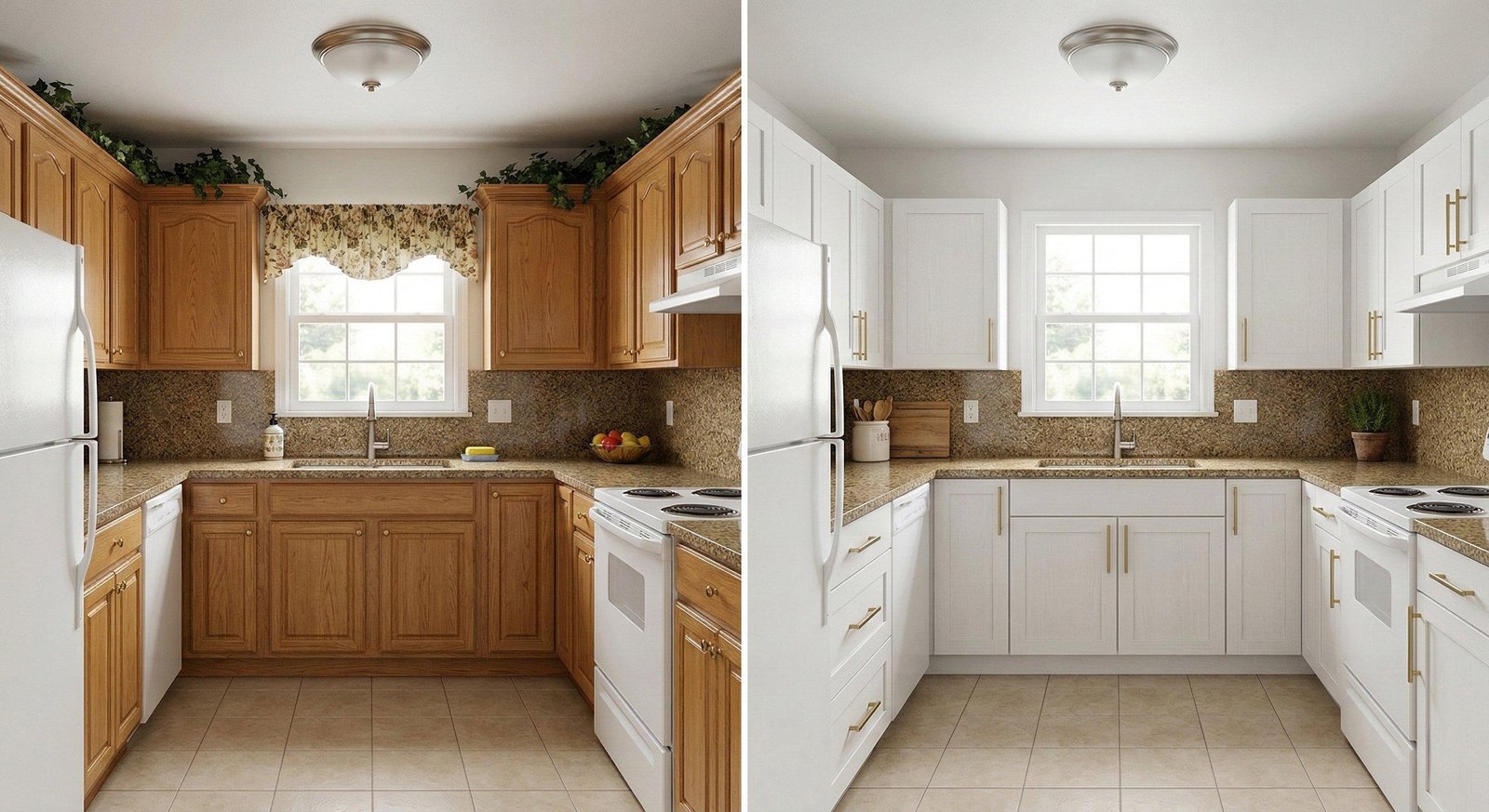
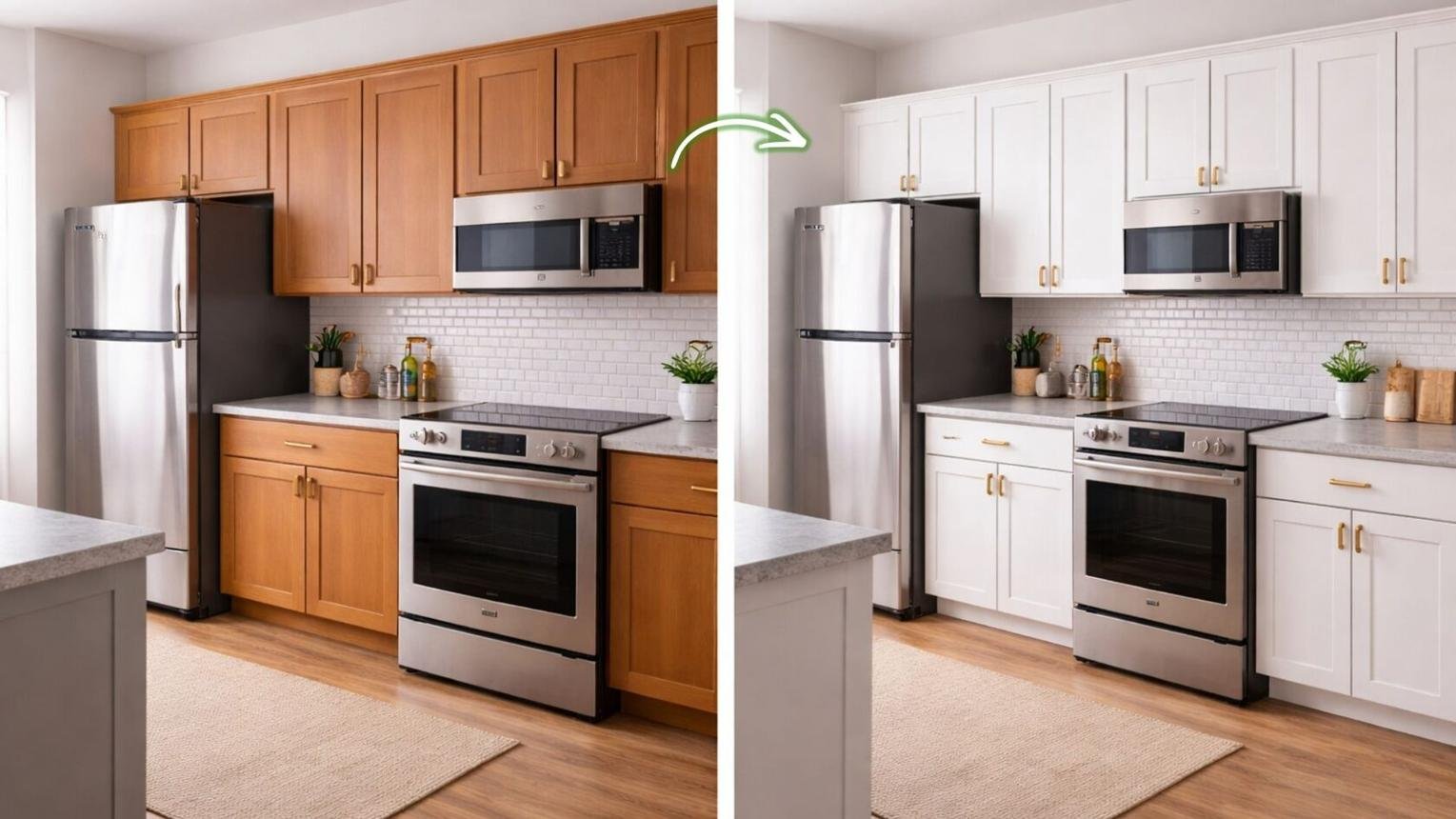
Cabinets occupy a large portion of most kitchens, so their appearance strongly influences the overall design. If the cabinet boxes remain sturdy and functional, replacing the entire system may be unnecessary. A simple refresh can give the room a noticeably different look.
Start by cleaning the cabinet surfaces thoroughly to remove grease, dust, and cooking residue. Then inspect the doors and frames for loose hinges, chipped finishes, or minor damage. These small problems should be addressed before applying paint or installing new hardware.
Painting is one option for cabinets with suitable surfaces. White, warm beige, soft gray, and muted green can create different looks depending on your countertops, flooring, and natural light. Darker shades can also work well when balanced with adequate lighting and lighter surrounding finishes.
Before painting, confirm that your cabinet material is suitable for the chosen primer and paint. Laminate, solid wood, and previously coated surfaces require different preparation methods. Proper sanding or surface preparation, compatible products, and sufficient drying time help create a durable finish.
Replacing old handles and knobs is another straightforward improvement. Brushed brass, matte black, stainless steel, and simple nickel finishes can change the character of a kitchen without a substantial investment.
Practical tip: If your cabinets have water damage, sagging shelves, swollen particleboard, or failing hinges that cannot be repaired economically, compare the cost of restoration with replacement before committing to a cosmetic update.
2. Improve Kitchen Lighting for a Brighter, More Useful Space
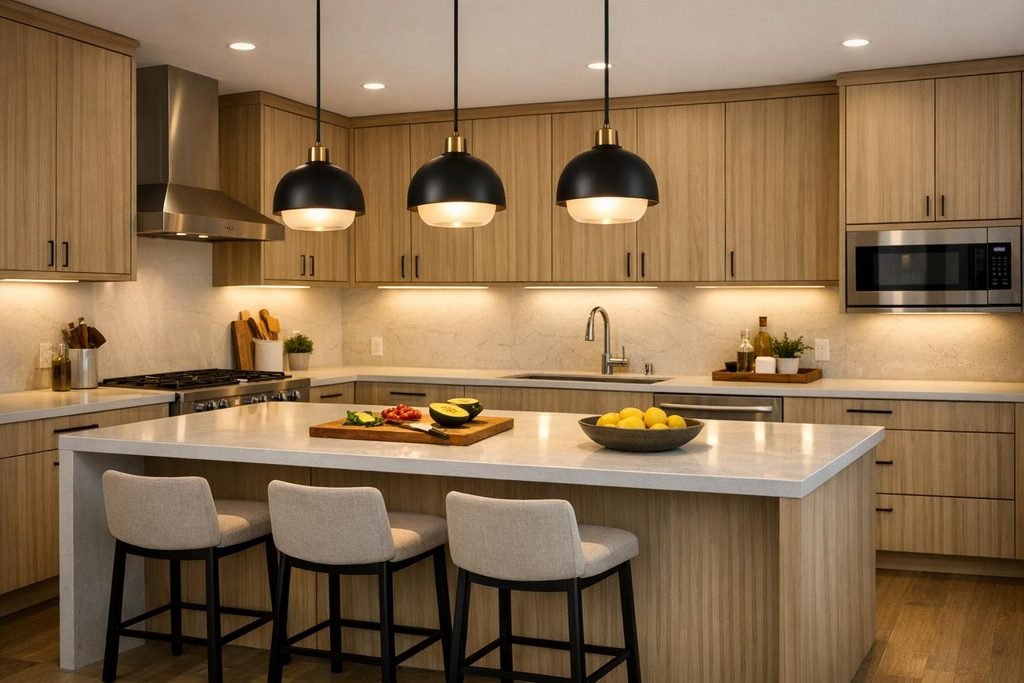
Lighting affects both the appearance and usability of a kitchen. A room with attractive cabinets and countertops can still feel uncomfortable if the work surfaces are too dark or the overhead lighting creates shadows.
A useful lighting plan combines three types of lighting:
- Ambient lighting: General illumination from ceiling fixtures or recessed lights.
- Task lighting: Focused light over countertops, sinks, and food-preparation areas.
- Accent lighting: Decorative lighting that highlights shelving, cabinets, or architectural details.
Under-cabinet LED lights are particularly useful because they illuminate countertops where you chop vegetables, prepare ingredients, and complete other everyday tasks. They can also make a kitchen feel more polished without changing the existing cabinetry.
Pendant lights may suit an island or breakfast bar, provided they are positioned safely and do not obstruct views. For smaller kitchens, well-placed ceiling lights and under-cabinet lighting may offer better value than adding multiple decorative fixtures.
Consider the color temperature, too. Warm-white lighting creates a cozy atmosphere, while neutral-white lighting can make food preparation areas feel clearer and more practical. Aim for a consistent, comfortable result rather than mixing unrelated light colors throughout the room.
When upgrading electrical fixtures, use a qualified electrician where required, particularly if the work involves new wiring, additional circuits, or changes to existing electrical connections.
3. Upgrade Your Backsplash for a Fresh New Look
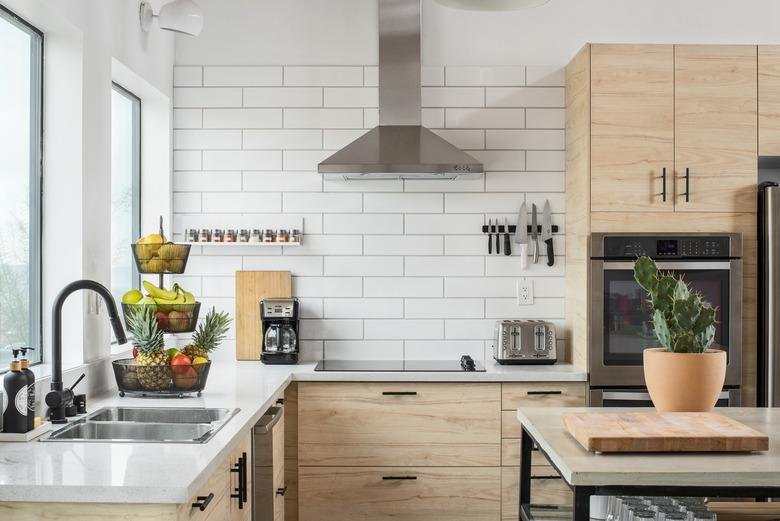
A backsplash protects the wall behind a sink or cooking area from splashes, grease, and everyday mess. It also offers an opportunity to introduce color, texture, or a distinctive design without renovating the entire kitchen.
Classic ceramic subway tiles remain a versatile option because they work with many cabinet styles and countertop materials. Larger-format tiles can create a cleaner appearance with fewer grout lines, while patterned tiles can add personality to an otherwise simple space.
If your budget is limited, focus on the most visible or frequently splashed section first. Depending on the existing wall surface and local building requirements, you may be able to replace only the backsplash rather than disturb the rest of the kitchen.
Peel-and-stick backsplash products are another option for some cosmetic projects. However, check the manufacturer’s guidance before using them near heat sources, cooktops, or damp areas. They may not offer the same durability or heat resistance as properly installed tile.
Before selecting a finish, bring samples home and view them under your actual kitchen lighting. A tile that looks bright in a showroom may appear darker or warmer next to your cabinets.
Design tip: Choose a backsplash that complements your countertops rather than competing with them. If your countertop has prominent veining or a busy pattern, a simpler backsplash often creates a more balanced result.
4. Replace Old Countertops With a More Practical Surface
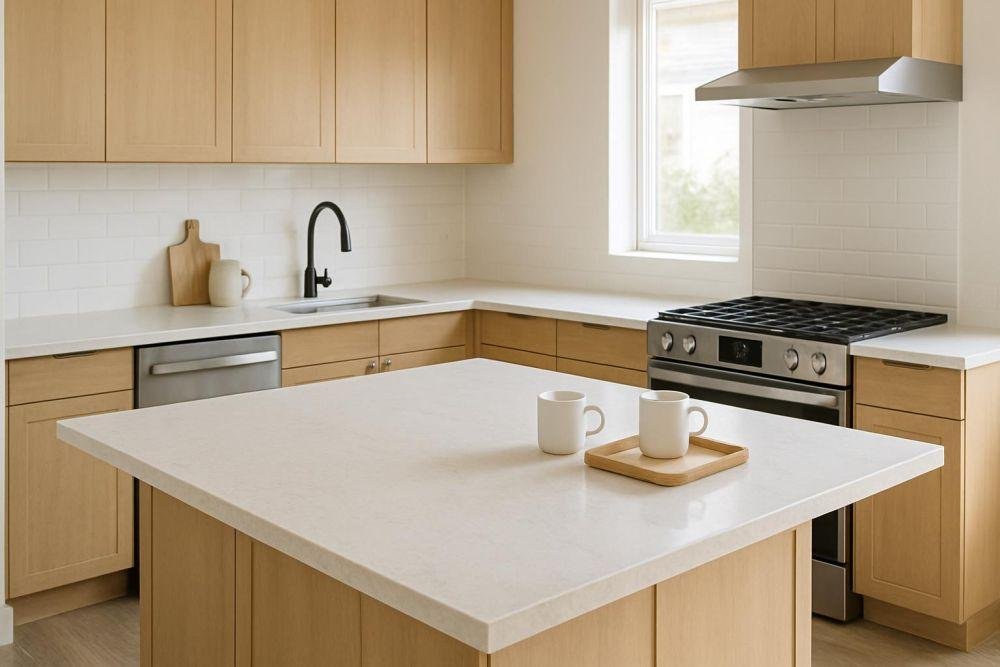
Countertops influence how a kitchen looks, but their durability and maintenance requirements matter just as much. If your current surface is badly scratched, difficult to clean, or damaged around the sink, replacing it may be a worthwhile upgrade.
Several materials are worth considering:
| Countertop material | Main advantage | What to consider |
|---|---|---|
| Laminate | Often budget-friendly and available in many designs | Can be damaged by excessive heat and deep cuts |
| Quartz | Nonporous and generally easy to maintain | Costs more than many basic alternatives and needs heat protection |
| Granite | Natural patterns and good durability | Requires appropriate care and may need periodic sealing |
| Solid surface | Seamless-looking designs and repairable minor damage on some products | Heat resistance and repair options depend on the material |
| Butcher block | Warm, natural appearance | Needs regular maintenance and careful moisture management |
The right option depends on your budget, cooking habits, and willingness to maintain the surface. For example, a household that cooks frequently may prioritize easy cleaning, while someone planning a cosmetic makeover may prefer a more affordable laminate design.
You should also inspect the cabinets supporting the countertop before ordering a replacement. Heavy materials may require adequate structural support, and changes around sinks or cooktops can involve plumbing, electrical, or specialist installation work.
If your existing countertop is still in good condition, consider improving the surrounding elements first. New cabinet hardware, better lighting, and a coordinated backsplash may deliver the fresh appearance you want without the expense of replacing the entire surface.
5. Add Smart Storage to Reduce Kitchen Clutter
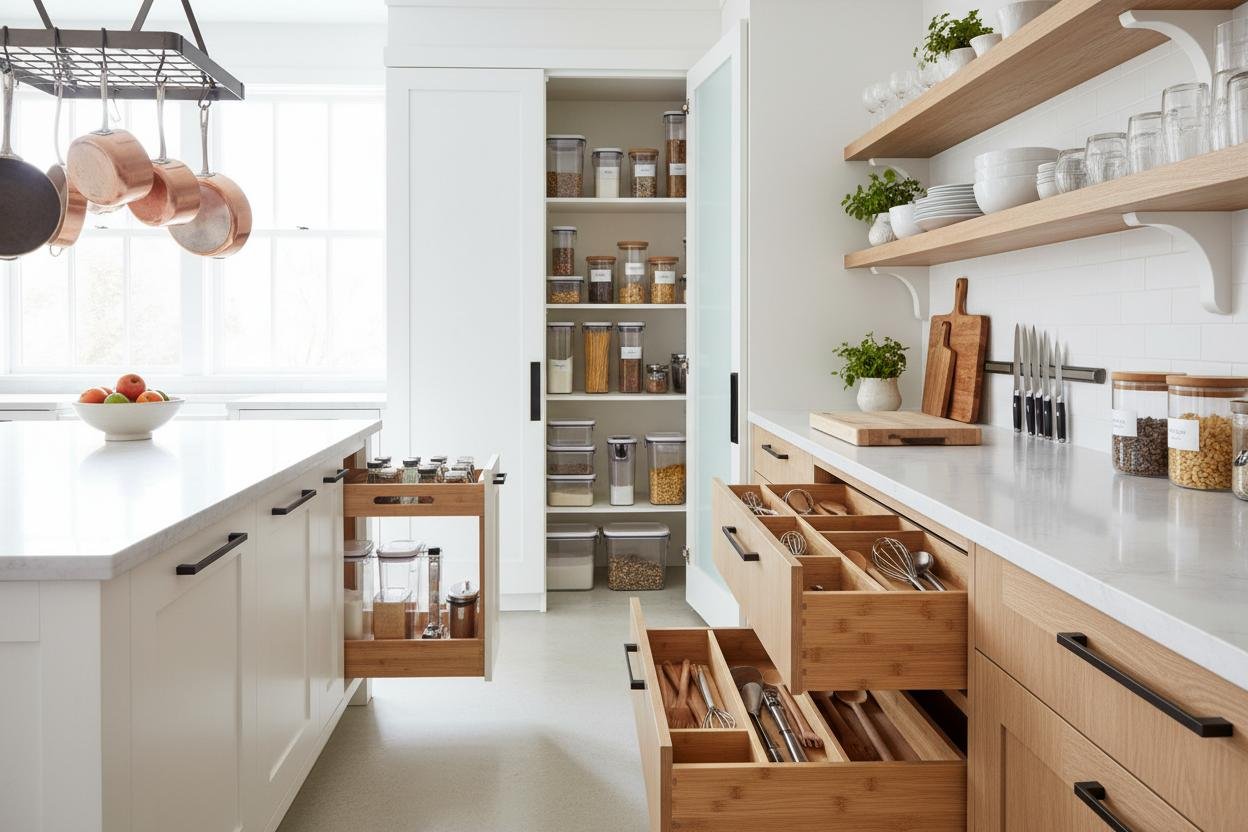
A kitchen can have attractive finishes and still feel frustrating when everyday items are difficult to reach. Improving storage is one of the most useful ideas for upgrading my kitchen because it can make the room easier to use without changing its footprint.
Begin by emptying one cabinet or drawer at a time. Remove expired food, duplicate utensils, and appliances you rarely use. Group the remaining items according to how often you need them and where you use them.
Next, consider simple storage improvements:
- Install drawer dividers for cutlery, cooking tools, and small accessories.
- Use shelf risers to make better use of vertical cabinet space.
- Add pull-out organizers where existing cabinets can accommodate them.
- Store baking trays and chopping boards vertically.
- Use clear, labeled containers for frequently used pantry ingredients.
- Place everyday cookware close to the cooking area.
- Keep cleaning products organized and safely separated from food.
For narrow kitchens, vertical storage can be particularly helpful. A suitable wall rail or rack may keep frequently used utensils accessible while freeing up drawer space. However, avoid overcrowding walls or placing items where they could fall near a cooktop.
Think about your normal routine before purchasing organizers. A pull-out pantry might be useful in one kitchen, while another household may benefit more from deep drawer dividers or better corner-cabinet access.
The goal is not to fill every empty space with storage products. It is to make frequently used items easier to find, retrieve, and put away.
6. Update Your Sink, Faucet, and Everyday Fixtures
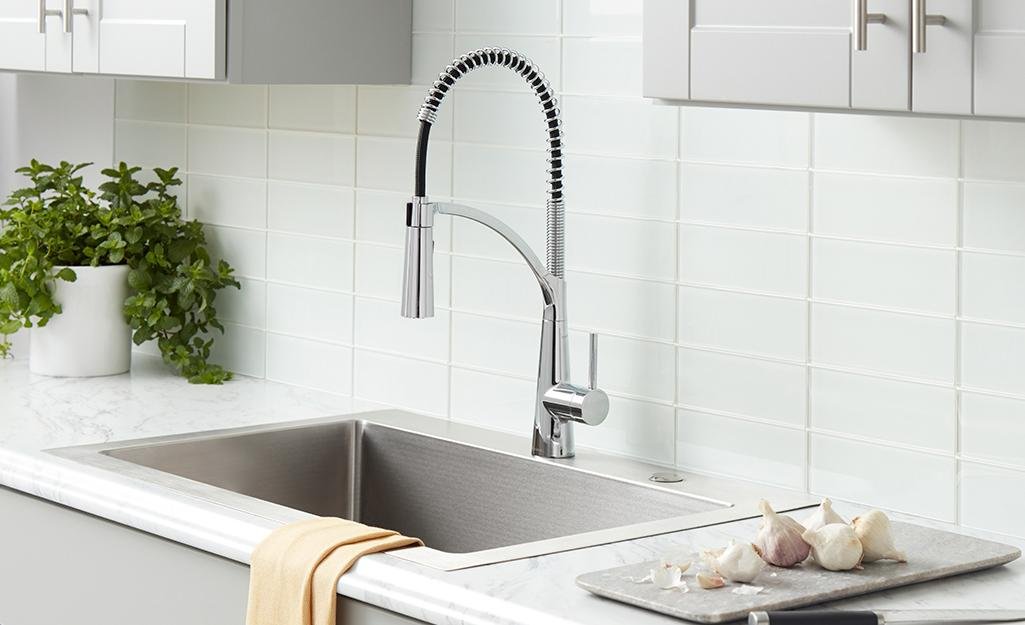
The sink and faucet are used repeatedly throughout the day, making them practical candidates for an upgrade. A dripping tap, awkward handle, shallow sink, or difficult-to-clean finish can affect everyday comfort more than an outdated decorative detail.
If your faucet is leaking, corroded, or difficult to operate, repairing or replacing it may improve both convenience and water efficiency. Look for a design that suits the sink, provides enough clearance for your usual pots and pans, and offers straightforward cleaning.
A pull-down spray faucet can make rinsing dishes and cleaning the sink easier. However, check the water connections, mounting arrangement, and available clearance before choosing a replacement.
If the sink itself is damaged, stained beyond reasonable restoration, or poorly suited to your needs, consider whether a replacement makes sense. Changing a sink can also affect the countertop cutout, plumbing connections, and cabinet space beneath it, so the installation may involve more work than replacing a faucet.
You can also refresh smaller fixtures, such as a soap dispenser or sink accessories, if they solve a genuine everyday problem. Choose finishes that coordinate with cabinet handles and other visible hardware for a more cohesive appearance.
Always address leaks promptly. Even a small leak can damage cabinet interiors, flooring, and nearby building materials if left unattended.
7. Give Your Kitchen a Modern Look With Color and Finishes
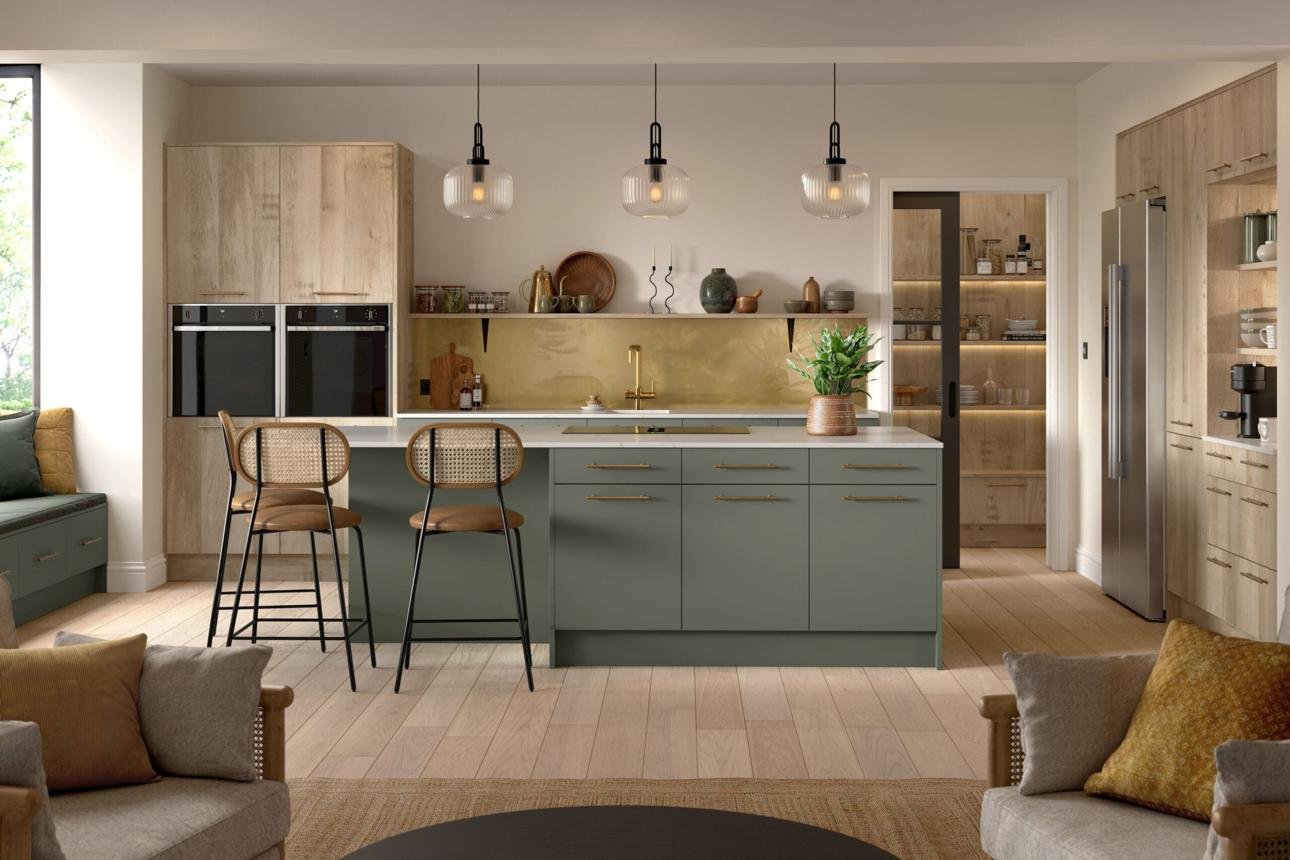
A kitchen does not need expensive appliances or custom cabinetry to look current. Thoughtful color choices, consistent finishes, and a few carefully selected details can make an older room feel more inviting.
Start by identifying the colors already present in your flooring, countertops, and fixed cabinetry. These elements can be expensive to replace, so use them as the foundation for your new palette.
Warm whites, soft beige, natural wood tones, and muted greens can create a comfortable atmosphere. Charcoal, deep blue, and other darker shades may work well as accents, especially when the room has sufficient natural or artificial light.
You can introduce color through painted cabinet doors, a backsplash, wall paint, window treatments, or accessories. If you are uncertain about a bold choice, test a small area or use removable accessories before making a permanent change.
Finishes also matter. Matching or coordinating cabinet handles, faucets, and light fixtures can make the kitchen feel more intentional. At the same time, there is no need to replace every fixture simply to follow a particular design trend.
Aim for a style that suits your home and personal preferences. A kitchen that looks attractive today but remains comfortable and practical for years is usually a better investment than a room designed entirely around a short-lived trend.
8. Upgrade Appliances Based on Your Actual Needs
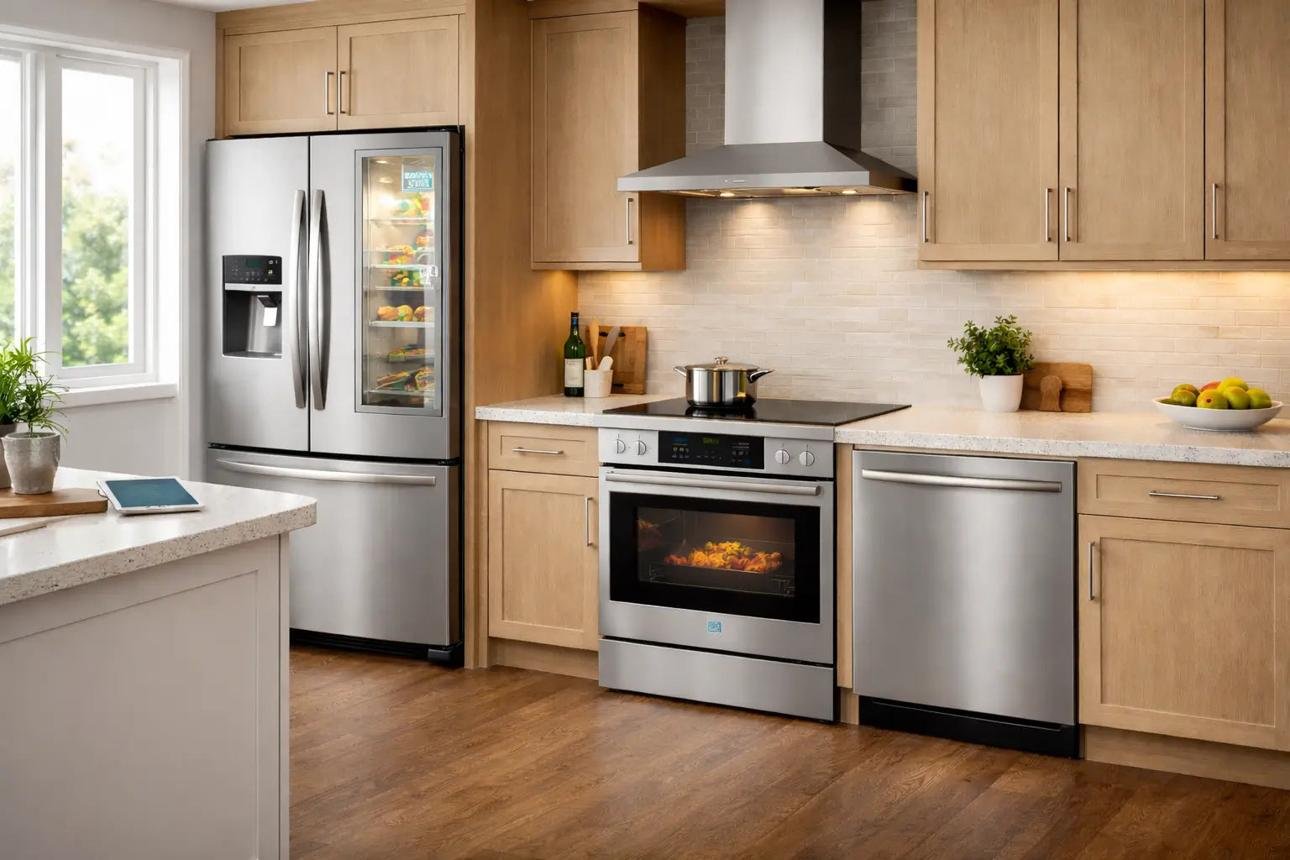
Appliances can make a substantial difference to kitchen performance, but replacing everything at once is rarely necessary. Start by assessing which appliances are unreliable, inefficient, difficult to clean, or unsuitable for your household.
If your refrigerator struggles to maintain a consistent temperature or your oven frequently needs repairs, compare replacement options with the cost and likely lifespan of repairing the existing appliance. Consider energy use, warranty coverage, available service support, and the dimensions of the installation space.
An efficient appliance may reduce energy consumption, although actual savings depend on the old model, the replacement, local electricity prices, and how frequently the appliance is used. Check official energy labels and product specifications rather than relying only on marketing claims.
Before buying a new refrigerator, dishwasher, oven, or cooktop, measure the available space carefully. Check door clearance, ventilation requirements, electrical capacity, water connections, and any installation restrictions.
You should also consider how you use the kitchen. A large family may benefit from a spacious refrigerator and dishwasher, while a smaller household may prefer compact appliances that free up valuable cabinet or counter space.
If your current appliances work well, cleaning them thoroughly and updating nearby finishes may be enough to improve the room’s appearance. Spend money where it solves a real problem rather than replacing functional equipment just for a matching look.
9. Improve the Kitchen Layout for Better Everyday Movement
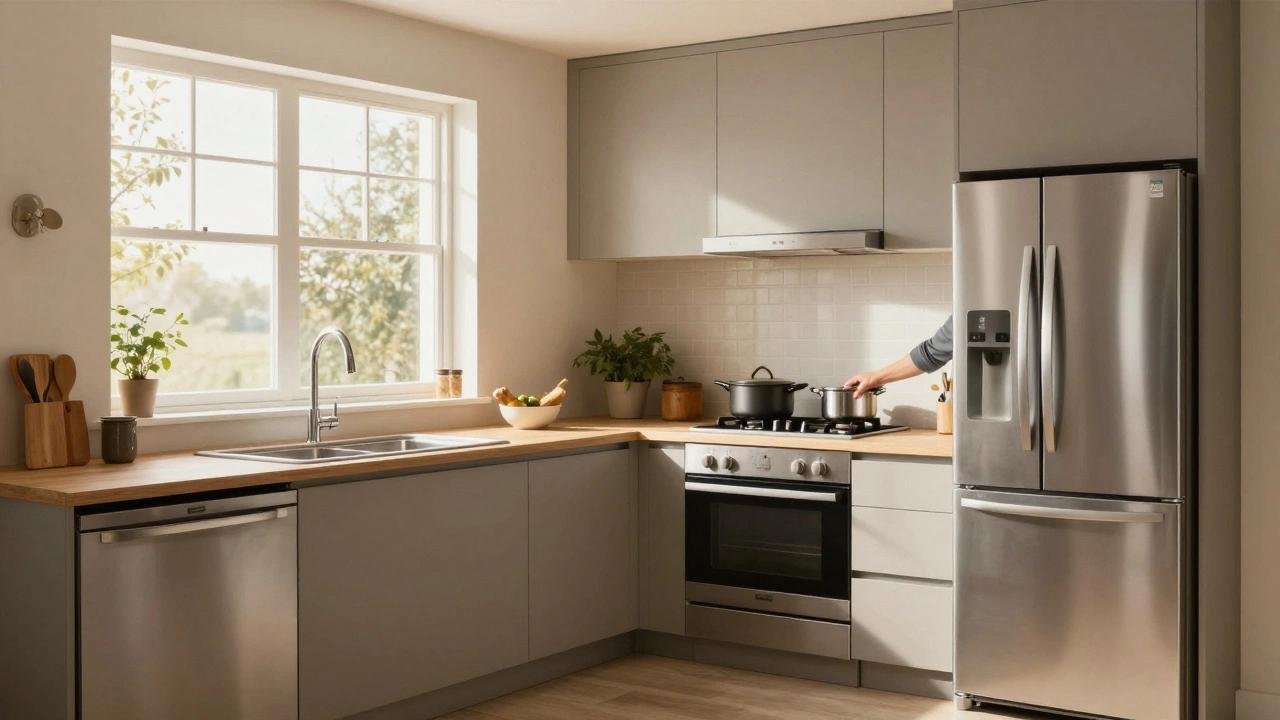
Even an attractive kitchen can be difficult to use when the refrigerator, sink, cooking area, and preparation surfaces are poorly positioned. Before starting a renovation, pay attention to the routes you follow while preparing a typical meal.
Do you have enough counter space beside the sink? Can you move between the refrigerator and cooking area without squeezing past other people? Are frequently used utensils within easy reach? These observations can help you identify layout problems before spending money on cosmetic improvements.
The traditional kitchen work triangle connects the sink, refrigerator, and cooking surface. It can be a useful starting point for evaluating movement, but it is not a strict rule for every home. Larger kitchens, islands, and multiple cooking zones may require a more flexible approach.
Try these practical improvements before considering major construction:
- Remove unnecessary items from the main preparation counter.
- Relocate frequently used cookware closer to the cooking area.
- Keep walkways clear of bins, stools, and small appliances.
- Make sure cabinet doors and appliance doors can open comfortably.
- Improve task lighting in areas where you regularly prepare food.
For a major layout change, consider plumbing, electrical connections, ventilation, structural walls, and required clearances before finalizing the design. A qualified kitchen designer or contractor can help determine which changes are feasible.
Sometimes, a kitchen feels larger simply because the worktops are clearer and the storage is better organized. Try these lower-cost changes before committing to moving walls or major appliances.
10. Choose Kitchen Upgrades That Fit Your Budget
The most effective kitchen upgrade is not necessarily the most expensive one. A clear budget helps you decide which improvements will have the greatest practical impact and which can wait until later.
Begin by listing your priorities. Separate necessary repairs from cosmetic improvements and optional extras. For instance, fixing a persistent leak should take priority over installing decorative pendant lights, while damaged electrical wiring requires attention before a cosmetic makeover proceeds.
A phased renovation can help spread costs over time. You might begin with decluttering, repairs, paint, and new hardware. Later, you could improve lighting, replace a worn backsplash, or upgrade the countertop when your finances allow.
Request itemized estimates for larger jobs and compare what each quote includes. Materials, labor, removal of old fixtures, waste disposal, plumbing, electrical work, and finishing costs can all affect the final bill.
It is also sensible to keep a contingency allowance for unexpected problems. Older kitchens sometimes hide water damage, deteriorated connections, or uneven surfaces behind cabinets and appliances. The appropriate allowance depends on the age and condition of the room and the scope of the work.
Avoid choosing the lowest quote without checking the contractor’s experience, references, written scope, and warranty terms. A low initial price may not represent good value if important work is excluded.
Most importantly, do not spend your entire budget on appearance while ignoring functionality and safety. A well-planned kitchen should be attractive, durable, comfortable to use, and affordable to maintain.
11. Avoid Common Kitchen Upgrade Mistakes
Even a relatively small kitchen project can become expensive if you make decisions before understanding the space and your priorities. A little planning can prevent unnecessary purchases and disappointing results.
Avoid these common mistakes:
- Choosing appearance over function: Beautiful finishes cannot compensate for poor lighting, insufficient storage, or an awkward layout.
- Ignoring measurements: Cabinets, countertops, sinks, and appliances must fit the available space and installation requirements.
- Replacing everything unnecessarily: Functional cabinets and appliances may be worth keeping if a repair or cosmetic refresh will meet your needs.
- Following every trend: Choose materials and colors that suit your home rather than committing to designs you may quickly dislike.
- Underestimating installation costs: Labor, plumbing, electrical work, delivery, and waste removal can add considerably to a renovation budget.
- Skipping essential repairs: Address leaks, damaged wiring, ventilation problems, and deteriorating surfaces before covering them with new finishes.
It is also important to establish a realistic project sequence. For example, installing a new countertop before completing necessary cabinet work can lead to avoidable costs or damage. Similarly, painting a wall before dusty construction is finished may mean repeating the work.
For more extensive renovations, confirm the appropriate permits, building requirements, and professional services before starting. Good preparation helps protect your budget and makes the entire project easier to manage.
Frequently Asked Questions
1. What are some good ideas for upgrading my kitchen?
Good kitchen upgrades include repainting cabinets, replacing old handles, improving task lighting, installing a backsplash, organizing storage, updating the faucet, and replacing damaged countertops. The best choices depend on your budget, the kitchen’s current condition, and how you use the space.
2. What is the cheapest way to upgrade a kitchen?
The cheapest approach is usually to improve what you already have. Declutter the room, deep-clean the cabinets, repaint suitable surfaces, replace outdated hardware, and improve lighting with compatible fixtures. These changes can refresh the kitchen without the cost of replacing cabinets or moving plumbing.
3. How can I make my kitchen look modern without remodeling it?
Use a coordinated color palette, update cabinet handles, improve lighting, remove unnecessary countertop clutter, and introduce a few complementary accessories. If the cabinets remain in good condition, a suitable new finish can create a modern appearance without replacing the entire system.
4. Which kitchen upgrades add the most value to a home?
The value of a kitchen upgrade depends on the local housing market, buyer preferences, workmanship, and project cost. Well-maintained cabinets, functional layouts, durable finishes, good lighting, and reliable appliances can improve a home’s appeal. However, no particular renovation guarantees a specific return on investment.
5. Should I upgrade my kitchen myself or hire a professional?
You may be able to handle painting, organizing, replacing cabinet hardware, and other straightforward cosmetic tasks yourself. Hire qualified professionals for work involving electrical wiring, significant plumbing changes, structural modifications, gas connections, or complex countertop installation when specialist skills or local regulations require them.
6. What should I upgrade first in my kitchen?
Start with safety issues and essential repairs, including leaks, electrical problems, and damaged surfaces. Next, plan the layout and any plumbing or electrical changes. Complete dusty construction before moving on to cabinets, countertops, painting, fixtures, and final decorative details.
Conclusion
Finding the right ideas for Kitchen Upgrading Advice Mintpalment does not mean spending a fortune or following every new design trend. It means understanding what is not working, setting a realistic budget, and selecting improvements that make the space more comfortable, attractive, and practical.
For some homeowners, repainting cabinets and replacing old handles will be enough to create a fresh look. Others may benefit more from improved storage, brighter task lighting, a new countertop, or a better layout.
Begin with the changes that address your biggest frustrations. Compare materials, measure carefully, and avoid replacing items that still perform well. If the project involves complex installations or hidden damage, seek professional advice before proceeding.
With a thoughtful plan and the right priorities, you can create a kitchen that works better for everyday life while keeping unnecessary expenses under control.