
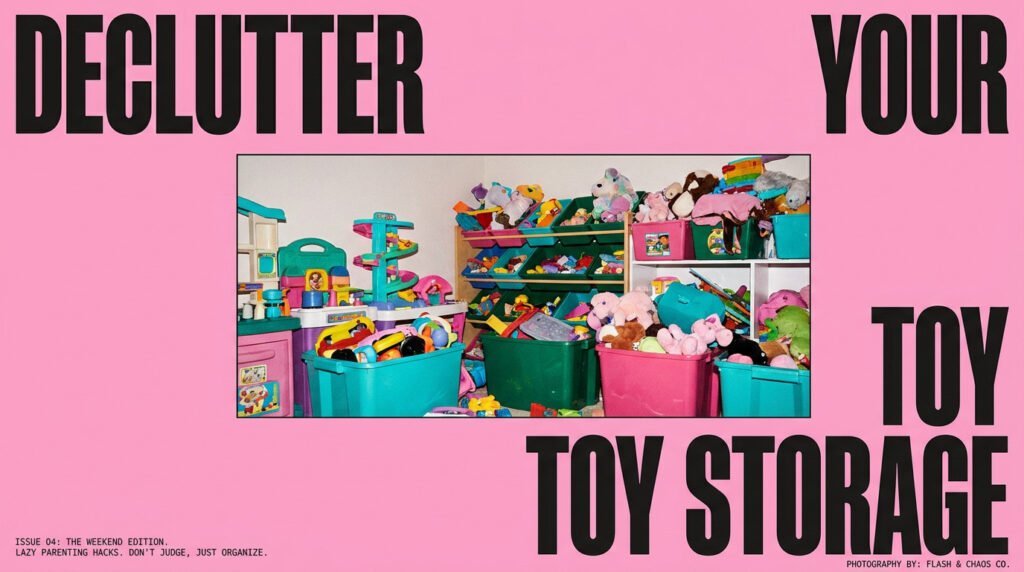
Children’s toys can quickly take over bedrooms, living rooms, and play areas. From building blocks and stuffed animals to puzzles and art supplies, keeping everything organized can feel like a never-ending task. The good news is that you do not need expensive storage furniture or an entire week to create a more organized home.
Learning how to declutter your kids’ toy storage in one weekend can help you create a cleaner, safer, and more enjoyable play area. With a simple plan, a few storage containers, and your children’s involvement, you can reduce clutter and make it easier to find, use, and put away toys.
1. Start With a Toy Storage Plan
Before removing every toy from its storage space, decide which areas need the most attention. Look at your children’s bedrooms, playroom, living room, and any cupboards where toys tend to accumulate.
Choose one manageable area to begin with instead of tackling the entire house at once. Gather baskets, boxes, reusable containers, and bags for sorting. You can often use storage items you already have rather than purchasing new organizers.
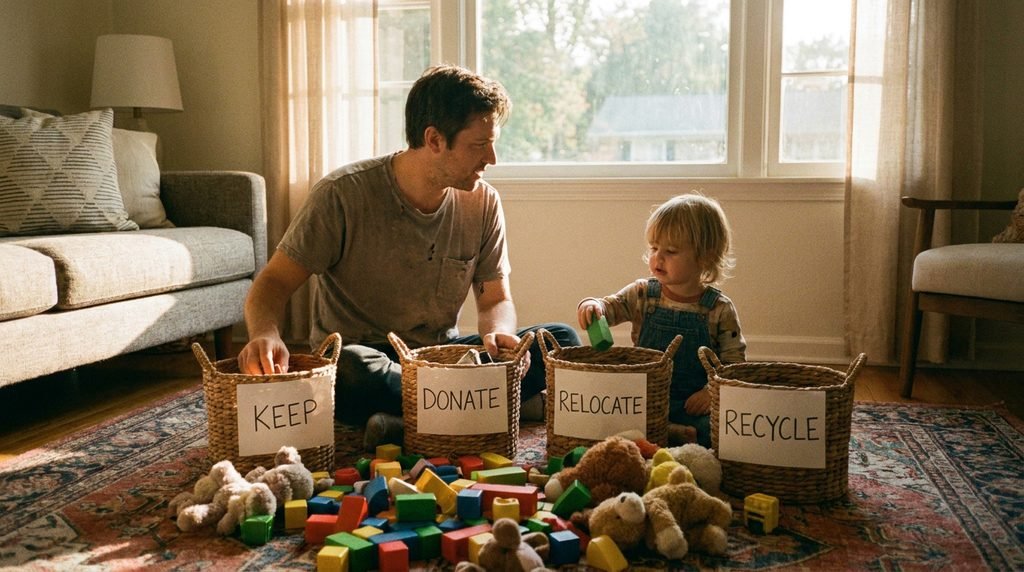
Create four simple categories: toys to keep, toys to donate, toys to recycle or discard when appropriate, and toys that belong somewhere else.
If your children are old enough, explain the plan and let them help with age-appropriate decisions. Keep the process positive by focusing on making their favorite toys easier to find rather than taking things away.
Weekend tip: Set aside a few focused sessions instead of trying to finish everything in one long afternoon. This makes the project easier to manage for both parents and children.
2. Sort Toys and Decide What to Keep
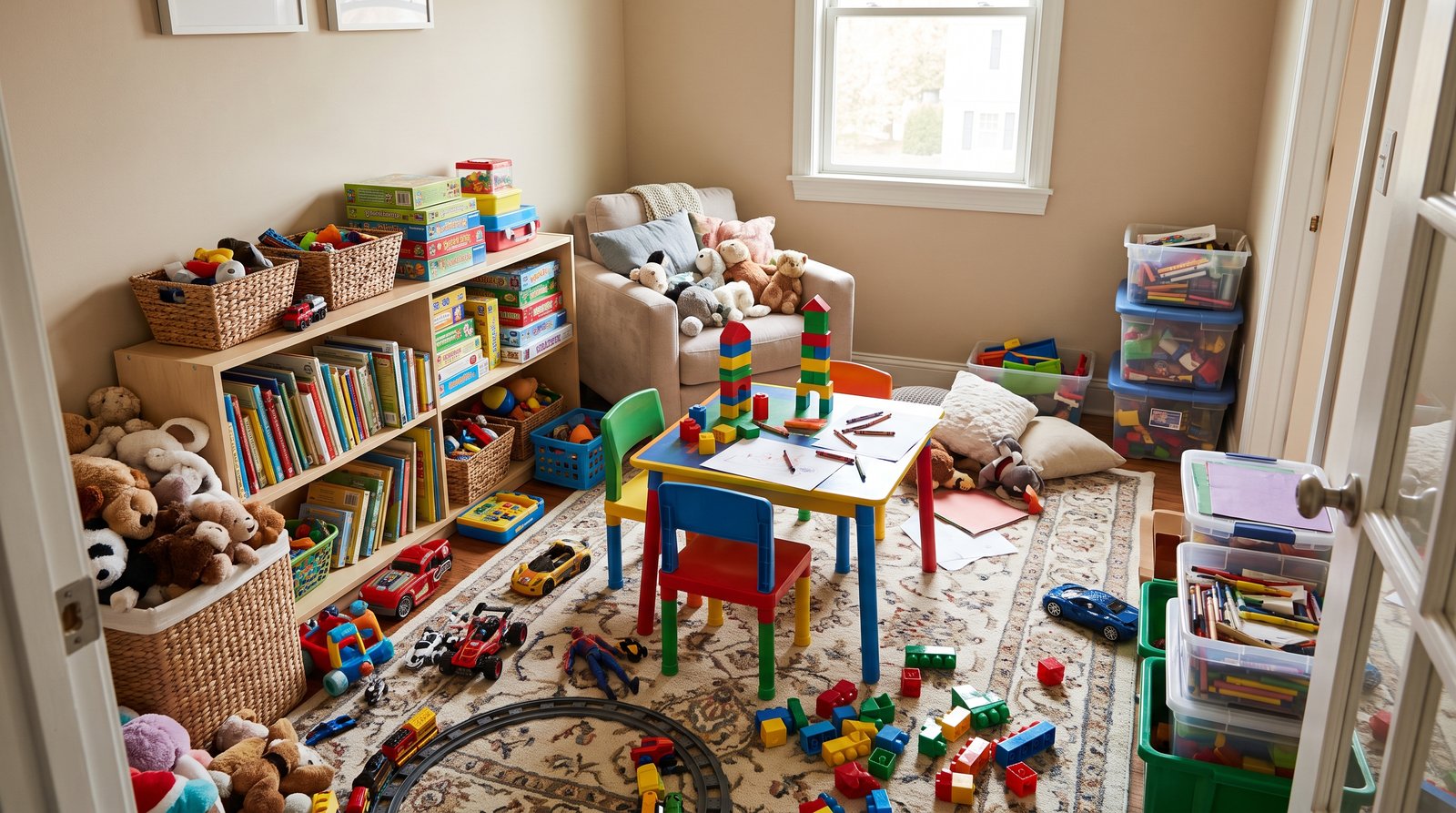
Sorting is one of the most important steps in decluttering. Empty one shelf, basket, or toy box at a time so that the room does not become overwhelming.
Check each toy for its condition, usefulness, and whether your child still enjoys playing with it. Broken toys, missing essential pieces, and damaged items that cannot be repaired may need to be discarded appropriately.
For toys in good condition that your children have outgrown, consider donating them if local organizations accept them. Check that donated items are clean, complete where practical, and safe to pass on. Follow local guidance for recycling or disposing of damaged toys, batteries, and electronic items.
Try asking children simple questions such as:
- Do you still enjoy playing with this?
- Would you like to keep it in your room?
- Is there another child who could enjoy this toy?
- Does this toy belong in a different storage area?
Avoid forcing children to make difficult decisions about every possession at once. Sentimental toys and special gifts can be placed in a separate box and reviewed later.
3. Create Simple and Accessible Toy Storage
Once you know which toys you are keeping, organize them according to how your children use them. The best storage system is one that children can understand and maintain without constant adult assistance.
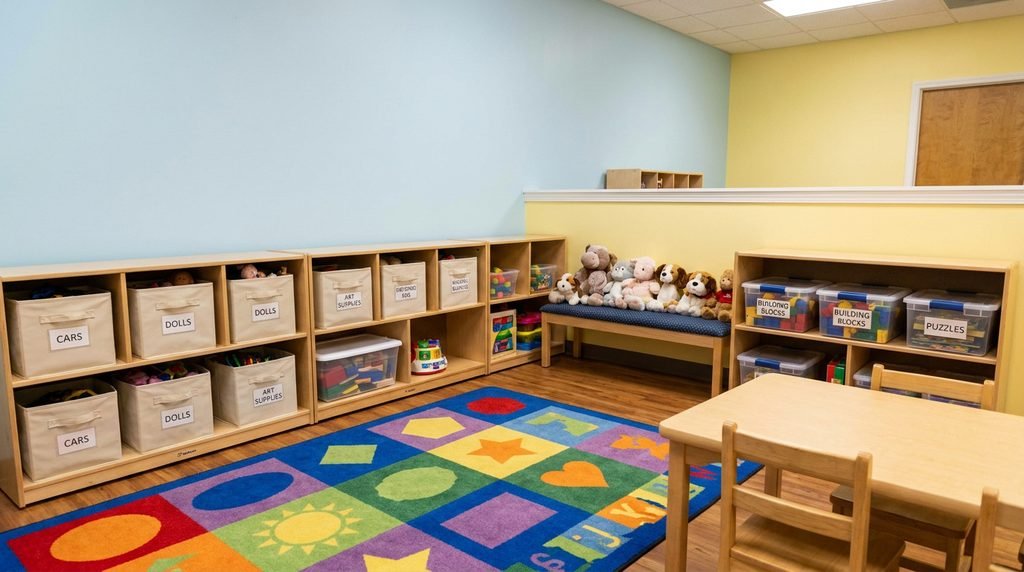
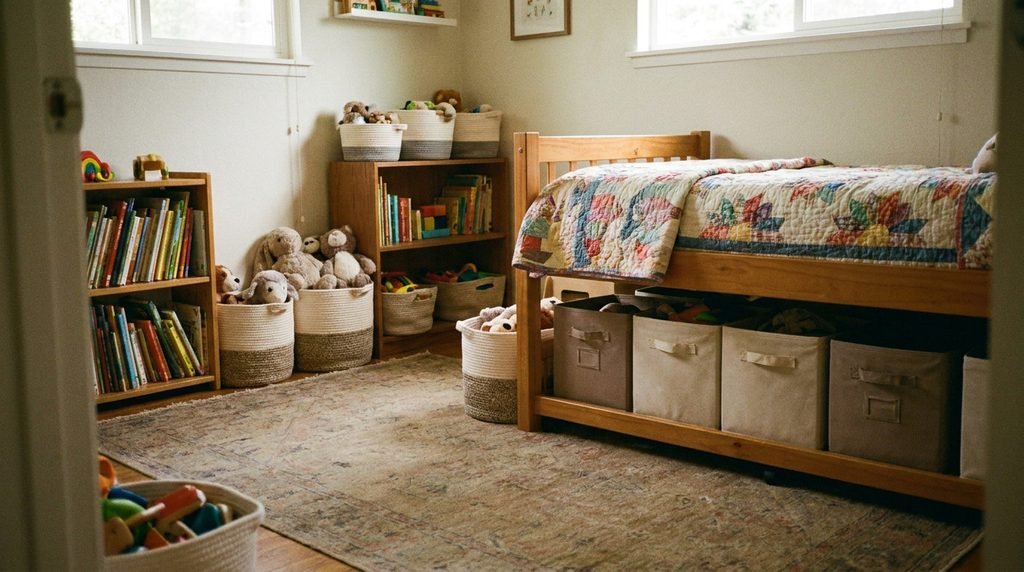
Use low shelves, lightweight baskets, and clearly labeled containers. Store frequently used toys where children can reach them easily, while placing small or potentially hazardous items out of reach of younger children.
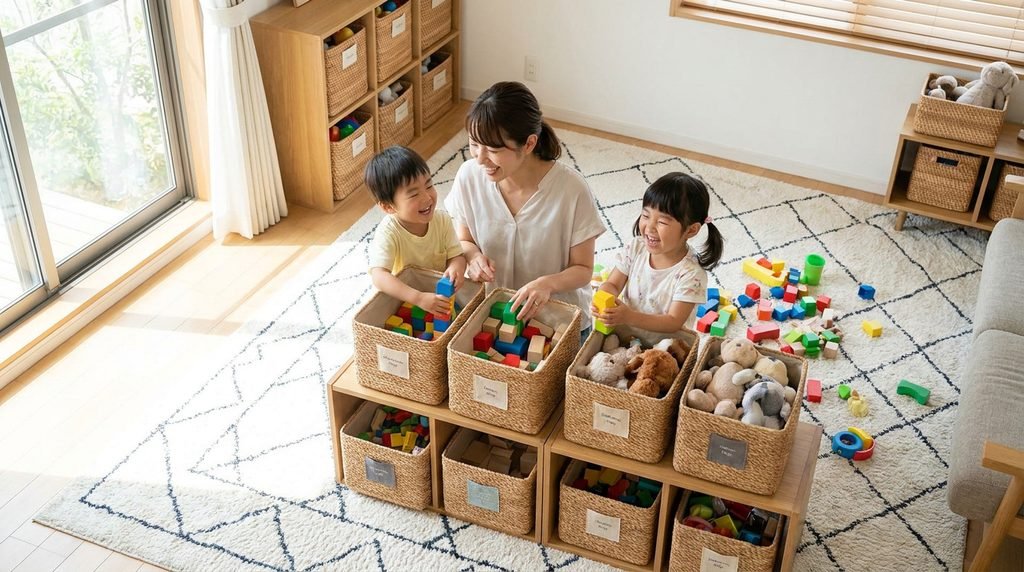
Group similar toys together. For example, keep building blocks in one container, puzzles in another, and art supplies in a separate area. Stuffed animals can go in a basket, while books can be arranged on a low shelf.
Picture labels can help younger children recognize where items belong. Older children may prefer written labels or color-coded boxes.
Choose storage containers that fit the available space. You do not need matching furniture to create an organized room. Repurposed baskets and sturdy boxes can work well when they are clean, suitable for the items stored, and easy to access.
For safety, secure tall shelving units to the wall according to the manufacturer’s instructions. Avoid heavy containers on high shelves, and keep small objects away from children who could choke on them.
4. Make the Most of the Space You Already Have
A small bedroom or shared living area can still accommodate organized toy storage. The key is to use available space thoughtfully without making the room crowded.
Look for unused corners, open shelves, suitable under-bed containers, and empty cupboard space. Store only appropriate toys under the bed, and make sure containers can be pulled out safely without creating a tripping hazard.
If your children have many toys but limited storage, consider rotating some of them. Keep a selection of toys available and store the rest in a clearly labeled container. After a few weeks, swap some items to renew interest without adding more clutter.
Toy rotation is not a requirement, and it should not mean hiding a child’s favorite comfort item. Let children keep access to the toys they rely on most.
For shared rooms, divide storage into simple zones. One basket might hold construction toys, another could hold dolls, and a separate shelf could hold books and creative supplies.
Keep walkways clear and avoid placing storage where it blocks doors, windows, heaters, or other important areas.
5. Build a Simple Routine to Keep Toys Organized
After a successful decluttering weekend, a simple daily routine can help prevent the clutter from returning. Children are more likely to put toys away when every item has an obvious place and the cleanup process feels manageable.
Set aside five to ten minutes before bedtime or at the end of playtime for a quick tidy-up. Turn it into a game by asking children to return all the blocks to one basket or collect stuffed animals before moving on to another activity.
Avoid expecting young children to organize everything perfectly. Offer reminders, demonstrate where items belong, and adjust the system if it becomes difficult to maintain.
A weekly check can help you spot toys that have migrated into other rooms, containers that have become overcrowded, or items that are no longer being used. Before buying more storage, review whether reducing the number of toys would solve the problem.
Conclusion
Decluttering your kids’ toy storage in one weekend is achievable when you break the work into manageable steps. Start with a clear plan, sort toys thoughtfully, create accessible storage, make use of available space, and establish a simple cleanup routine.
You do not need an expensive playroom makeover to make a difference. A few well-organized baskets, clear storage categories, and consistent habits can help children find their favorite toys and learn to put them away.
The most effective toy storage system is one that fits your family’s space, budget, and daily routine. Keep the process flexible, involve your children when appropriate, and remember that the goal is a more functional home—not a perfectly arranged room every day.