
Introduction
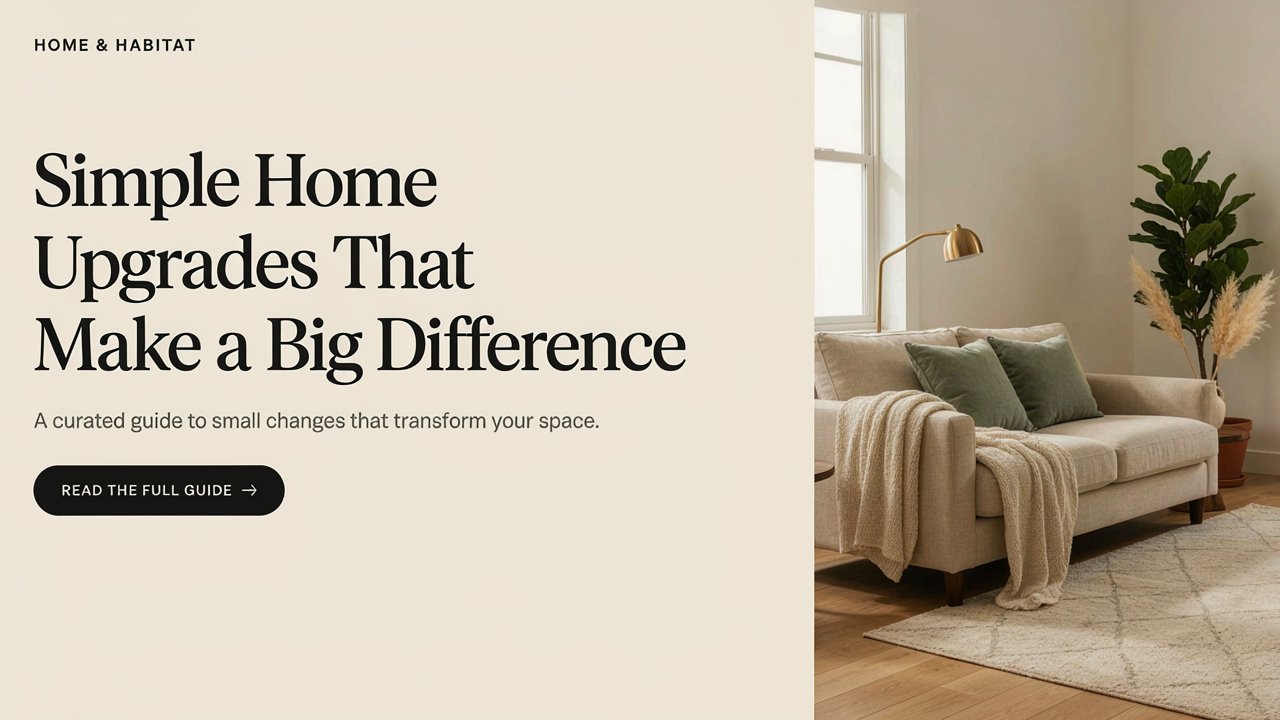
Home improvement does not always require a large renovation or an expensive construction project. Many practical changes can make a noticeable difference in how a home looks, feels, and functions.
Small improvements such as better lighting, additional storage, fresh paint, updated hardware, improved organization, and smarter furniture placement can transform everyday spaces. The key is to focus on upgrades that solve real problems while complementing the existing home.
These home improvement mintpaldecor ideas provide practical ways to improve different areas of a home without assuming that everything needs to be replaced.
What Is Home Improvement?
Home improvement includes changes made to maintain, repair, upgrade, or enhance a home.
Projects can range from simple improvements to larger renovations.
Examples include:
- Painting walls
- Updating lighting
- Improving storage
- Replacing damaged fixtures
- Upgrading flooring
- Improving kitchen organization
- Refreshing bathrooms
- Updating outdoor areas
- Improving room layouts
- Replacing worn furniture
The right project depends on the home’s condition, the homeowner’s priorities, available budget, and how the space is used.
1. Start With a Home Improvement Checklist
Before buying materials, walk through each room and identify areas that need attention.
Look for problems such as:
- Poor lighting
- Limited storage
- Damaged surfaces
- Outdated fixtures
- Uncomfortable furniture
- Clutter
- Inefficient layouts
- Poor organization
Then separate the improvements into essential, functional, and decorative categories.
| Type | Examples |
|---|---|
| Essential | Repairs, leaks, damaged electrical components |
| Functional | Storage, lighting, organization |
| Comfort | Furniture, ventilation, window coverings |
| Decorative | Paint, artwork, accessories |
This approach helps you spend money where it can provide the most practical benefit.
2. Upgrade Your Lighting
Lighting is one of the easiest areas to improve.
A room with poor lighting may feel less useful even when the furniture and decoration are attractive. Consider using different lighting sources for different purposes.
Ambient Lighting
Provides general illumination throughout the room.
Task Lighting
Helps with specific activities such as reading, cooking, studying, or working.
Accent Lighting
Highlights selected decorative or architectural features.
Adding a table lamp, floor lamp, under-cabinet lighting, or another suitable fixture can sometimes improve a room without major construction.
3. Improve Storage and Organization
Clutter can make a home feel crowded and difficult to manage.
Storage improvements can create a more organized environment while keeping frequently used items accessible.
Useful solutions include:
- Floating shelves
- Storage benches
- Drawer organizers
- Built-in cabinets
- Under-bed storage
- Entryway storage
- Pantry organizers
- Multi-purpose furniture
Use vertical space where appropriate, especially in smaller rooms.
4. Refresh Walls With Paint
A new paint color can give a room a fresh appearance without changing the entire space.
Before selecting a color, consider the existing flooring, furniture, natural light, and room size.
You can choose to repaint:
- The entire room
- One accent wall
- A hallway
- A home office
- A bedroom
- A selected architectural feature
Neutral colors can provide flexibility, while carefully selected accent colors can add visual interest.
5. Rearrange Furniture
Not every improvement requires purchasing something new.
Furniture placement can affect movement, comfort, and the visual balance of a room.
Try different arrangements while keeping frequently used pathways clear. Make sure seating supports conversation and that important furniture remains easy to access.
A simple rearrangement may reveal that a room already has useful furniture that was simply positioned inefficiently.
Highlight: Improve What You Use Every Day
One of the most useful home improvement principles is to prioritize everyday problems.
An uncomfortable chair, poorly positioned light, cluttered entryway, or difficult-to-access kitchen cabinet may affect your routine more than an outdated decorative item.
Start with the changes that make daily activities easier.
6. Upgrade the Kitchen
The kitchen can benefit from both small and major improvements.
You might consider:
- Better cabinet organization
- New cabinet handles
- Improved task lighting
- Additional shelving
- Pantry organization
- Updated faucet fixtures
- Better countertop organization
- Improved ventilation
There is no requirement to replace an entire kitchen when only certain elements need improvement.
If cabinets remain structurally sound, refinishing or updating their hardware may provide a fresh appearance.
7. Refresh the Bathroom
Bathrooms can often be improved through relatively focused changes.
Consider upgrading:
- Lighting
- Mirrors
- Storage
- Fixtures
- Shower accessories
- Wall finishes
- Flooring where appropriate
Good ventilation is also important for managing moisture. Plumbing or electrical work should be handled appropriately and according to applicable local requirements.
8. Improve the Bedroom
A bedroom should support comfort and organization.
Simple improvements include:
- Better bedside lighting
- More practical storage
- Updated curtains or blinds
- Fresh wall colors
- Improved furniture placement
- Decluttering
- Convenient charging access
Avoid filling the room with unnecessary furniture. Maintaining open pathways can make the space easier to use.
9. Make Small Rooms More Functional
Small spaces require careful planning.
Choose furniture that fits the available area and avoid blocking windows, doors, or major pathways.
Useful approaches include:
- Using vertical storage
- Choosing multi-purpose furniture
- Keeping floors as open as possible
- Using appropriately sized furniture
- Organizing frequently used items
- Selecting a coordinated color scheme
Mirrors can also be incorporated as decorative elements and may help reflect available light.
10. Improve Your Entryway
The entrance is a practical place to make a small but useful upgrade.
An organized entryway can include:
- Shoe storage
- Wall hooks
- A small bench
- Key storage
- A mirror
- A durable floor surface
These features can help keep everyday items organized as people enter and leave the home.
11. Upgrade Flooring Where It Matters
Replacing every floor in a home is not always necessary.
Instead, focus on damaged or heavily worn areas first.
When choosing new flooring, consider:
- Durability
- Maintenance
- Moisture
- Foot traffic
- Slip resistance
- Installation requirements
- Appearance
Different rooms have different needs, so one flooring material may not be suitable for every part of the house.
12. Improve Outdoor Spaces
Home improvement can extend beyond interior rooms.
Depending on the property, useful outdoor improvements may include:
- Cleaning and repairing existing surfaces
- Improving outdoor lighting
- Adding comfortable seating
- Organizing garden areas
- Improving pathways
- Adding suitable plants
- Creating a simple outdoor relaxation area
Outdoor upgrades should match the climate, available maintenance time, and intended use of the space.
13. Replace Small Hardware and Fixtures
Small details can affect the overall appearance of a home.
Consider updating worn:
- Door handles
- Cabinet pulls
- Light switches
- Curtain hardware
- Faucets
- Hinges
- Towel bars
Make sure replacement hardware is compatible with the existing installation before purchasing it.
14. Make Home Improvements More Energy-Conscious
Some upgrades can also improve resource efficiency.
Depending on the property, homeowners may consider:
- Efficient lighting
- Sealing noticeable drafts
- Maintaining appliances
- Improving insulation where appropriate
- Water-efficient fixtures
- Better control of heating or cooling
The suitability and potential savings of each measure depend on the building, climate, existing equipment, and installation quality.
How to Plan Home Improvements on a Budget
A realistic budget can help prevent unnecessary spending.
Create categories such as:
| Budget Area | Examples |
|---|---|
| Repairs | Plumbing, electrical, damaged surfaces |
| Function | Storage, lighting, organization |
| Comfort | Furniture, ventilation, window treatments |
| Appearance | Paint, accessories, hardware |
| Contingency | Unexpected project expenses |
Complete essential repairs first. Decorative improvements can then be added gradually.
Reusing good-quality furniture and existing materials can also help reduce costs.
Common Home Improvement Mistakes
Buying Without Measuring
Always measure the space before purchasing furniture, cabinets, appliances, flooring, or other large items.
Focusing Only on Trends
A home should suit the people living in it rather than following every short-term design trend.
Ignoring Storage
Beautiful decoration cannot compensate for insufficient storage when clutter is a daily problem.
Doing Everything at Once
Completing too many projects simultaneously can make budgeting and organization more difficult.
Choosing Appearance Over Function
An attractive improvement should still support everyday use.
Ignoring Professional Requirements
Electrical, plumbing, structural, gas, and other specialized work may require qualified professionals and compliance with local rules.
Simple Home Improvement Checklist
Before considering your project complete, check:
- Important repairs are finished
- Lighting is suitable for each room
- Storage meets everyday needs
- Furniture allows comfortable movement
- Walls and finishes are coordinated
- Kitchen organization has improved
- Bathroom fixtures and ventilation work properly
- Entryway is organized
- Flooring suits each room
- Improvements fit the available budget
Frequently Asked Questions
What is the easiest home improvement project?
Painting, improving organization, changing lighting, updating hardware, and rearranging furniture are among the simpler improvements that can noticeably change a space.
How can I improve my home without spending a lot?
Prioritize practical changes such as better storage, improved lighting, fresh paint, organization, and selective hardware or fixture updates.
Should I renovate or make small improvements?
The answer depends on the condition of the home and the problems you want to solve. Small improvements can be sufficient when the existing structure and major components are in good condition.
Which rooms should I improve first?
Start with rooms that have the biggest functional problems or are used most frequently. Kitchens, bathrooms, living spaces, bedrooms, and entryways are common priorities.
Can rearranging furniture really improve a room?
Yes. Better furniture placement can improve circulation, accessibility, comfort, and the visual balance of a room without requiring new purchases.
How can I keep home improvement projects organized?
Create a priority list, set a realistic budget, measure spaces before purchasing materials, complete essential work first, and keep track of project costs.
Conclusion
Home improvement does not have to mean a complete renovation. Small, carefully planned upgrades can make a noticeable difference in comfort, organization, appearance, and everyday functionality.
Better lighting, improved storage, fresh paint, smarter furniture placement, kitchen and bathroom updates, organized entryways, and suitable flooring are practical places to begin.
By following these home improvement mintpaldecor ideas, homeowners can focus on improvements that solve real problems instead of spending money on unnecessary changes. A thoughtful approach allows a home to become more functional and comfortable while keeping the project manageable and aligned with the available budget.