Introduction
A kitchen upgrade can improve much more than the appearance of a home. Better storage, improved lighting, practical work areas, and an efficient layout can make everyday cooking and cleaning easier.
The most successful kitchen improvements begin with proper planning. Rather than replacing everything at once, homeowners can identify the areas that create the biggest problems and upgrade them according to their needs and budget.
These kitchen upgrading tips mintpalment can help you plan a kitchen that is attractive, comfortable, organized, and practical for everyday use.
What Should You Consider Before Upgrading a Kitchen?
Before starting an upgrade, take time to evaluate the existing kitchen.
Look at:
- Available floor space
- Cabinet condition
- Countertop condition
- Storage capacity
- Lighting
- Appliance placement
- Electrical outlets
- Plumbing
- Ventilation
- Flooring
- Daily cooking habits
Write down the problems you want to solve. This makes it easier to separate necessary improvements from optional decorative changes.
1. Create a Kitchen Upgrade Plan
A clear plan can prevent unnecessary purchases and unexpected costs.
Start by deciding what type of upgrade you need. A cosmetic refresh may involve paint, cabinet hardware, lighting, and accessories. A larger project could involve cabinets, countertops, flooring, appliances, plumbing, or layout changes.
Create a simple priority list:
| Priority | Kitchen Upgrade |
|---|---|
| High | Damaged cabinets or unsafe electrical work |
| High | Poor lighting or ventilation |
| Medium | Storage improvements |
| Medium | Countertop or hardware updates |
| Optional | Decorative accessories |
| Optional | New colors and styling |
Completing high-priority work first helps keep the project organized.
2. Improve the Kitchen Layout
The layout determines how easily you can move between important work areas.
A practical kitchen should provide convenient access between the cooking, preparation, cleaning, and storage areas. Avoid placing unnecessary obstacles in frequently used pathways.
Before moving cabinets or appliances, carefully consider:
- Refrigerator location
- Cooking area
- Sink location
- Counter preparation space
- Cabinet access
- Appliance doors
- Main walking paths
Even a small layout adjustment can improve the way the kitchen functions.
3. Upgrade Kitchen Storage
Storage is one of the most valuable areas to improve.
A kitchen can have plenty of cabinets and still feel disorganized if the storage does not match the way items are used.
Consider solutions such as:
- Pull-out shelves
- Drawer organizers
- Corner storage
- Wall-mounted shelves
- Tall cabinets
- Pantry organizers
- Under-sink storage
- Vertical dividers
Keep frequently used cookware and ingredients within convenient reach. Items used less often can be stored in higher or less accessible areas.
4. Consider Cabinet Upgrades
Kitchen cabinets often represent a significant part of the room’s visual appearance.
If existing cabinets are structurally sound, replacing them may not always be necessary. Depending on their condition, homeowners can consider repainting, refinishing, replacing handles, or improving their internal organization.
New cabinet hardware can also create a refreshed appearance with relatively little work.
Before making changes, inspect the cabinet doors, hinges, shelves, and frames. Damaged structural components may require more substantial repairs.
5. Choose a Practical Countertop
The countertop is one of the most frequently used kitchen surfaces, so practicality matters.
Consider the following when choosing or upgrading a countertop:
- Durability
- Cleaning requirements
- Available workspace
- Resistance to heat and moisture
- Appearance
- Installation requirements
- Budget
A beautiful countertop should also suit the way the kitchen is used. Families who cook frequently may prioritize durability and easy maintenance over purely decorative features.
6. Improve Kitchen Lighting
Good lighting can make food preparation, cleaning, and other kitchen tasks easier.
A useful lighting plan can include several layers.
General Lighting
Ceiling fixtures provide overall illumination.
Task Lighting
Under-cabinet lights can illuminate preparation surfaces and work areas.
Accent Lighting
Decorative fixtures can highlight selected areas and contribute to the overall appearance.
When planning lighting, pay attention to shadows. A bright light positioned behind the person working at the counter may still leave the work surface poorly illuminated.
Highlight: Plan Lighting Around Tasks
One of the most practical kitchen upgrades is to think about where work actually happens.
Countertops used for chopping, mixing, reading recipes, or preparing food need useful illumination. A decorative light can improve appearance, but task lighting should support everyday activities.
7. Upgrade Kitchen Appliances Carefully
New appliances can improve convenience, energy use, and functionality, but replacing appliances simply because they look outdated may not always be necessary.
Before purchasing an appliance, check:
- Available dimensions
- Electrical requirements
- Ventilation requirements
- Door clearance
- Installation needs
- Maintenance
- Warranty
- Long-term operating costs
Make sure the new appliance fits the existing space before making the purchase.
8. Refresh the Kitchen Color Scheme
Color is an easy way to change the visual character of a kitchen.
Walls, cabinets, backsplashes, curtains, and accessories can all contribute to the overall color scheme.
Neutral colors can create a flexible base, while selected accent colors can introduce personality.
Avoid choosing colors separately. Consider how the cabinets, countertops, flooring, walls, and appliances will look together.
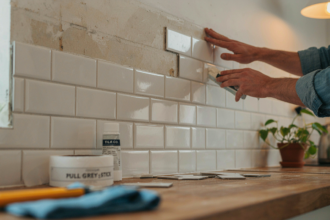
9. Upgrade the Kitchen Backsplash
A backsplash can protect the wall behind cooking and preparation areas while adding visual interest.
Depending on your budget and existing kitchen design, options may include:
- Ceramic tile
- Porcelain tile
- Glass
- Stone
- Metal
- Other suitable washable surfaces
The most important consideration is that the material should be appropriate for the location and easy to maintain.
10. Improve Kitchen Ventilation
Cooking can produce heat, moisture, smoke, and odors. Good ventilation helps manage these conditions.
Check whether your existing exhaust system works properly. Clean filters and vents where appropriate, and address unusual noise or poor performance.
A ventilation upgrade may be particularly useful in kitchens that experience persistent cooking odors or excess moisture.
11. Upgrade the Kitchen Floor
Kitchen flooring needs to handle regular foot traffic, spills, cleaning, and everyday wear.
When choosing flooring, consider:
- Durability
- Slip resistance
- Water resistance
- Cleaning requirements
- Comfort
- Installation
- Compatibility with existing surfaces
A practical floor should suit the household’s lifestyle rather than simply following a design trend.
12. Add Small Improvements That Make Daily Tasks Easier
Not every useful upgrade needs to be expensive.
Small improvements can include:
- Better drawer organizers
- New cabinet handles
- Improved faucet fixtures
- Additional shelving
- A dedicated recycling area
- Better pantry organization
- Improved task lighting
- Wall-mounted storage
These changes can make the kitchen easier to use without requiring a major renovation.
How to Plan a Kitchen Upgrade on a Budget
A realistic budget should include both materials and installation costs.
Divide your available budget into categories:
| Category | Examples |
|---|---|
| Essential | Repairs, electrical, plumbing |
| Functional | Storage, lighting, work surfaces |
| Major | Cabinets, flooring, appliances |
| Decorative | Paint, hardware, accessories |
| Contingency | Unexpected project costs |
Keeping some money aside for unexpected issues can make the project easier to manage.
Common Kitchen Upgrade Mistakes
1. Starting Without Measurements
Measure cabinets, appliances, countertops, doors, and available floor space before ordering materials.
2. Ignoring Storage
A visually attractive kitchen can still be frustrating if everyday items have nowhere convenient to go.
3. Choosing Appearance Over Function
A design should support cooking, cleaning, storage, and movement.
4. Forgetting Lighting
Kitchen work areas require useful illumination, not just decorative fixtures.
5. Replacing Everything
Some existing elements may still be useful. Reusing good-quality cabinets, furniture, or appliances can help control costs.
6. Ignoring Professional Requirements
Electrical, plumbing, gas, structural, and major installation work may require qualified professionals and compliance with local requirements.
A Simple Kitchen Upgrade Checklist
Before considering the project complete, check:
- Kitchen layout works for everyday use
- Storage is sufficient
- Countertop space meets daily needs
- Work areas have suitable lighting
- Cabinets are secure and functional
- Appliances fit correctly
- Ventilation works properly
- Flooring is suitable for kitchen conditions
- Colors and finishes work together
- The project stays within the planned budget
Frequently Asked Questions
What is the first step in upgrading a kitchen?
The first step is to inspect the existing kitchen and identify the problems that need to be solved. Measurements, priorities, and a realistic budget should be established before purchasing materials.
How can I upgrade my kitchen without a full renovation?
You can refresh cabinets, replace hardware, improve lighting, organize storage, repaint walls, update accessories, or add practical shelving without changing the entire kitchen.
Is kitchen storage important during an upgrade?
Yes. Good storage makes it easier to organize cookware, ingredients, appliances, and everyday items while keeping work surfaces clearer.
Should I replace kitchen cabinets or renovate them?
It depends on their condition. Structurally sound cabinets may be suitable for refinishing or hardware upgrades, while severely damaged cabinets may require replacement.
What kitchen upgrade provides the most practical benefit?
The answer depends on the kitchen’s existing problems. Storage, lighting, layout, ventilation, and damaged components are common areas where improvements can provide useful everyday benefits.
How much should I spend on a kitchen upgrade?
There is no single suitable amount for every household. Set a budget according to the kitchen’s condition, required work, household needs, and the scope of the upgrade.
Conclusion
A successful kitchen upgrade starts with understanding how the space is used. The goal should not simply be to create a newer-looking kitchen but to build a space that works better every day.
Better storage, improved lighting, a practical layout, suitable countertops, functional appliances, effective ventilation, and coordinated finishes can all contribute to a more useful kitchen.
By following these kitchen upgrading tips mintpalment, homeowners can plan improvements in stages, prioritize important problems, control unnecessary spending, and create a kitchen that balances appearance with everyday functionality.