Introduction
A home should be comfortable, functional, and suited to the way you live. Over time, however, rooms can become outdated, storage can become insufficient, and everyday features may no longer work as efficiently as they once did. Fortunately, improving a home does not always require a complete renovation.
The right home improvement ideas can make your property more comfortable, attractive, organized, and practical. Some improvements are simple projects that can be completed with a modest budget, while others require professional planning and installation.
Whether you want to refresh a single room, improve your home’s exterior, increase storage, or plan a larger renovation, it is important to start with a clear idea of what you want to achieve.
This guide explores practical ways to upgrade different areas of your home while keeping functionality, budget, durability, and long-term use in mind.
1. Start With a Home Improvement Plan
Before buying materials or starting a project, make a list of the areas that need attention.
Walk through your home and identify:
- Necessary repairs
- Outdated finishes
- Storage problems
- Lighting issues
- Comfort concerns
- Safety improvements
- Areas that need better organization
- Spaces that are not being used effectively
Separate essential repairs from cosmetic improvements. Fixing a leaking pipe or damaged roof should generally take priority over replacing decorative accessories.
A written plan can also help you estimate costs and decide which projects should be completed first.
2. Set a Realistic Home Improvement Budget
A budget is one of the most important parts of any renovation or improvement project.
Your budget should account for:
- Materials
- Labor
- Tools
- Delivery
- Permits where required
- Waste removal
- Unexpected expenses
Avoid spending your entire budget before the project begins. Older homes and renovation projects can reveal unexpected problems once work starts.
For larger projects, getting multiple professional estimates can help you understand the likely cost and scope of the work.
3. Refresh Your Walls With Paint
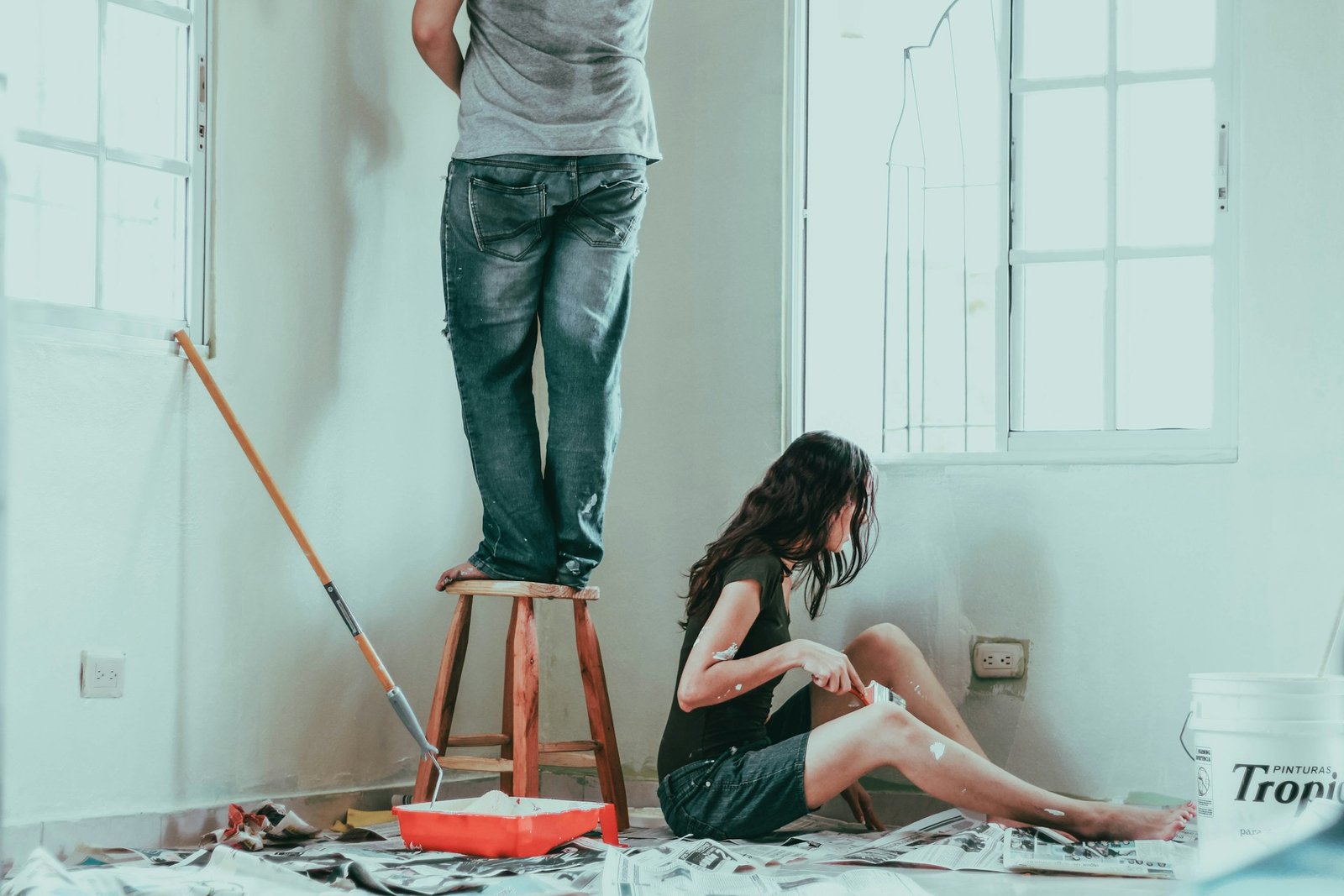
Painting is one of the easiest ways to change the appearance of a room.
A fresh coat of paint can make a space feel cleaner and more modern without changing the furniture.
Consider neutral colors such as:
- White
- Cream
- Beige
- Soft gray
- Warm taupe
You can also create an accent wall using a stronger color or suitable wall treatment.
Choose paint according to the room’s function, lighting, moisture level, and surface condition.
4. Improve Your Home’s Lighting
Good lighting can dramatically improve how a room looks and feels.
Instead of relying on a single ceiling fixture, combine different types of lighting.
Ambient Lighting
Provides general illumination throughout the room.
Task Lighting
Provides focused light for activities such as reading, cooking, studying, or working.
Accent Lighting
Highlights artwork, architectural features, shelves, or decorative elements.
Using these layers can make rooms more flexible and comfortable.
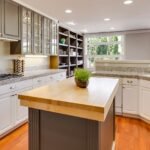
5. Upgrade the Kitchen
The kitchen is one of the most frequently used areas in a home.
You do not always need a complete kitchen replacement to make it feel newer.
Consider:
- Replacing cabinet handles
- Repainting suitable cabinets
- Improving cabinet organization
- Updating lighting
- Installing a backsplash
- Replacing outdated fixtures
- Improving countertop space
- Adding pantry storage
Before making major changes, consider how you actually use the kitchen. A beautiful kitchen should also provide efficient preparation, cooking, cleaning, and storage areas.
6. Improve Kitchen Storage
Poor storage can make even a large kitchen feel crowded.
Use organizational solutions such as:
- Drawer dividers
- Pull-out organizers
- Shelf risers
- Pantry containers
- Under-sink storage
- Wall-mounted shelves
- Vertical organizers
Keep frequently used items within easy reach and less frequently used equipment in secondary storage areas.
7. Update the Bathroom
A bathroom can often benefit from smaller upgrades.
Depending on its condition and your budget, consider:
- New lighting
- Updated mirror
- Modern vanity
- Improved storage
- New hardware
- Updated fixtures
- Fresh paint
- Improved ventilation
For major plumbing, waterproofing, electrical, or structural work, use appropriately qualified professionals.
8. Create Better Bathroom Storage
Bathrooms often have limited storage space, especially in smaller homes.
Make better use of available areas with:
- Floating shelves
- Vanity drawers
- Medicine cabinets
- Under-sink organizers
- Wall-mounted storage
- Built-in niches where appropriate
Keep everyday products easily accessible while storing less frequently used items elsewhere.
9. Upgrade the Living Room
The living room should support both relaxation and everyday activities.
Start by evaluating the furniture arrangement.
Make sure there is enough room to move comfortably between furniture pieces.
You can also improve the room with:
- New cushions
- Area rugs
- Artwork
- Plants
- Better lighting
- Curtains
- Storage furniture
Avoid filling every empty corner. Open space can make a room feel more comfortable.
10. Make Small Rooms Feel Larger
Small spaces can still be functional and attractive.
Useful small home improvement ideas include:
- Using light colors
- Installing floating shelves
- Choosing compact furniture
- Adding mirrors
- Using multifunctional furniture
- Improving natural light
- Reducing clutter
Furniture should be appropriately sized for the room.
Large furniture can quickly make a small room feel cramped.
11. Improve Home Storage
Storage is one of the most practical home upgrades.
Consider adding:
- Built-in cabinets
- Floating shelves
- Storage benches
- Closet organizers
- Under-stair storage
- Wall-mounted cabinets
- Multi-purpose furniture
Before purchasing storage products, declutter first. There is little benefit in creating additional storage for belongings that you no longer use.
12. Organize the Bedroom
A bedroom should feel calm and organized.
Improve the space by:
- Decluttering surfaces
- Organizing wardrobes
- Using under-bed storage
- Improving bedside lighting
- Choosing comfortable bedding
- Adding suitable curtains
- Removing unnecessary furniture
A well-organized bedroom can feel more spacious even when the room itself has not changed.
13. Improve the Home Office
More people now use their homes for work, study, or creative projects.
A dedicated workspace can improve organization and productivity.
Consider:
- Comfortable desk
- Supportive chair
- Task lighting
- Storage shelves
- Cable management
- Document storage
If you have limited space, a wall-mounted or compact desk can create a functional work area.
14. Upgrade the Entryway
The entrance creates the first impression of your home.
A practical entryway might include:
- Shoe storage
- Wall hooks
- Bench
- Mirror
- Console table
- Storage baskets
Keep everyday items accessible without allowing the entrance to become cluttered.
15. Improve Interior Doors and Hardware
Small details can have a surprisingly strong visual effect.
Consider updating:
- Door handles
- Cabinet handles
- Drawer pulls
- Hinges where appropriate
- House numbers
- Light switch plates
Choose finishes that coordinate with the rest of your interior.
Consistent hardware can help create a more polished appearance.
16. Upgrade Flooring
Flooring has a major influence on the appearance and comfort of a home.
Depending on the room and budget, options may include:
- Hardwood
- Engineered wood
- Laminate
- Vinyl
- Tile
- Carpet
Consider durability, moisture exposure, cleaning requirements, installation, and expected foot traffic before choosing a material.
17. Improve Your Home’s Exterior
The exterior is just as important as the interior.
Simple exterior improvements may include:
- Cleaning exterior surfaces
- Repainting suitable areas
- Updating the front door
- Improving outdoor lighting
- Refreshing landscaping
- Cleaning pathways
- Updating house numbers
- Adding appropriate planters
Choose materials and finishes suitable for the local climate.
18. Upgrade the Front Door
The front door can become a strong focal point.
If the existing door is in good condition, a suitable new finish or updated hardware may be enough.
You could consider:
- Repainting
- New door hardware
- Better lighting
- Updated house numbers
- Decorative planter arrangements
If the door is damaged or poorly insulated, replacement may be worth considering.
19. Improve Outdoor Living Areas
A patio, terrace, balcony, or backyard can become an extension of your living space.
Add features such as:
- Comfortable seating
- Outdoor dining furniture
- Shade
- Plants
- Outdoor lighting
- Weather-resistant storage
Design the space around how you expect to use it.
If you enjoy outdoor dining, prioritize a dining area. If relaxation is more important, create a comfortable lounge.
20. Improve Landscaping
Landscaping can make a significant difference to your home’s appearance.
Consider:
- Trees
- Shrubs
- Flower beds
- Container plants
- Pathways
- Ground cover
- Outdoor seating
Choose plants according to your local climate, available sunlight, soil conditions, and maintenance requirements.
21. Add Outdoor Lighting
Outdoor lighting can improve both usability and appearance.
Consider lighting for:
- Entryways
- Pathways
- Patios
- Gardens
- Steps
- Outdoor seating areas
Use appropriate outdoor-rated fixtures and ensure electrical work is carried out safely.
22. Improve Home Energy Efficiency
Some improvements can help reduce energy consumption and improve comfort.
Possible upgrades include:
- Energy-efficient lighting
- Better insulation
- Sealing air leaks
- Efficient appliances
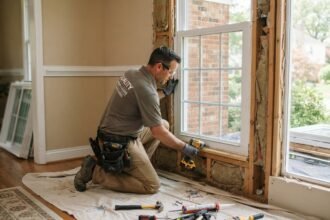
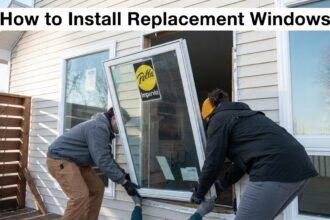
- Suitable window improvements
- Efficient heating and cooling equipment
The most useful upgrades depend on your home’s construction and local climate.
For major energy-related improvements, a professional assessment can help identify where upgrades may have the greatest impact.
23. Consider Smart Home Upgrades
Smart technology can improve convenience and control.
Popular options include:
- Smart lighting
- Smart thermostats
- Smart doorbells
- Security systems
- Smart plugs
- Energy monitoring devices
- Automated blinds
Choose technology that solves a genuine problem rather than adding unnecessary complexity.
24. Improve Home Security
Security should be part of a well-maintained home.
Depending on your property, consider:
- Exterior lighting
- Strong door hardware
- Window locks
- Security cameras
- Alarm systems
- Smart doorbells
Follow local laws and manufacturer instructions when installing security equipment.
25. Make Your Home More Accessible
Accessibility improvements can make a home easier to use for people with different mobility needs.
Depending on the household, improvements may include:
- Better lighting
- Clearer walkways
- Lever-style door handles
- Easier-to-reach storage
- Appropriate grab bars
- Reduced trip hazards
Choose improvements based on actual needs rather than installing unnecessary features.
26. Improve Your Home’s Ventilation
Good ventilation helps maintain comfortable indoor conditions and can be particularly important in kitchens and bathrooms.
Keep appropriate ventilation systems maintained and ensure exhaust fans are functioning correctly.
Address persistent condensation or moisture problems rather than simply covering their visible effects.
For significant moisture or ventilation concerns, professional assessment may be appropriate.
27. Maintain the Roof and Gutters
Regular maintenance can help prevent expensive problems.
Check for visible issues involving:
- Roof coverings
- Gutters
- Downspouts
- Flashing
- Drainage
Clean gutters as appropriate for your property and local conditions.
Roof repairs can involve significant safety risks, so use a qualified professional when necessary.
28. Improve Home Organization
A more organized home can feel larger and easier to maintain.
Create designated locations for everyday belongings.
Use:
- Baskets
- Shelves
- Cabinets
- Drawer organizers
- Storage boxes
Decluttering should come before purchasing additional storage.
29. Choose Quality Materials
When upgrading your home, avoid choosing materials based solely on the lowest price.
Consider:
- Durability
- Maintenance
- Appearance
- Warranty
- Installation requirements
- Long-term suitability
A slightly more durable material may provide better value over time if it performs well in the intended environment.
30. Plan Improvements in Phases
You do not have to complete every project at once.
A phased approach can make large home improvements easier to manage.
Phase 1: Essential Repairs
Address leaks, structural concerns, damaged systems, and safety issues.
Phase 2: Functional Improvements
Improve storage, lighting, layouts, and everyday usability.
Phase 3: Cosmetic Updates
Add paint, décor, finishes, landscaping, and other aesthetic improvements.
This approach can help keep your budget under control.
Home Improvement Priority Checklist
| Priority | Improvement | Main Benefit |
|---|---|---|
| High | Essential repairs | Safety and protection |
| High | Roof and drainage maintenance | Prevents damage |
| High | Electrical and plumbing issues | Safety and functionality |
| Medium | Kitchen improvements | Functionality |
| Medium | Bathroom updates | Comfort |
| Medium | Storage improvements | Organization |
| Medium | Lighting upgrades | Comfort and appearance |
| Low | Decorative updates | Style |
| Low | Landscaping enhancements | Curb appeal |
DIY or Professional Home Improvement?
Some projects may be suitable for homeowners with the appropriate skills, including:
- Painting
- Decluttering
- Basic organization
- Simple décor updates
- Some furniture assembly
Other projects should generally be handled by appropriately qualified professionals, such as:
- Major electrical work
- Gas work
- Structural changes
- Major plumbing
- Roofing
- Significant HVAC work
- Complex waterproofing
Always prioritize safety and comply with applicable local requirements.
Common Home Improvement Mistakes
Avoid these common mistakes:
- Starting without a clear budget
- Ignoring necessary repairs
- Buying materials before measuring
- Choosing style over functionality
- Underestimating labor costs
- Attempting specialized work without proper knowledge
- Over-improving beyond the needs of the property
- Following trends without considering long-term use
- Forgetting maintenance requirements
Good planning can prevent many unnecessary expenses.
Frequently Asked Questions
What are the best home improvement ideas for beginners?
Painting, decluttering, improving storage, changing hardware, updating lighting, and rearranging furniture are generally approachable ways to refresh a home.
How can I improve my home on a small budget?
Start with inexpensive improvements such as paint, organization, lighting, hardware, furniture rearrangement, plants, and simple décor updates.
What home improvements should I do first?
Prioritize safety issues, necessary repairs, leaks, structural concerns, and failing systems before cosmetic improvements.
How can I make my home look more modern?
Use a coordinated color palette, updated lighting, simple furniture, organized storage, contemporary hardware, and carefully selected décor.
Are home improvements worth the investment?
The value depends on the property, project, local market, quality of the work, and how the improvement affects comfort and functionality.
Should I hire a professional for home improvements?
For specialized work involving electrical systems, plumbing, structural changes, roofing, gas, or HVAC, qualified professional assistance is generally the safer choice.
Conclusion
The best home improvement ideas are those that improve the way you actually use your home. You do not need to complete a massive renovation to create a noticeable difference.
Start by identifying essential repairs and practical problems. Then improve storage, lighting, room layouts, kitchens, bathrooms, bedrooms, and outdoor areas according to your needs and budget.
Whether you are making a few affordable changes or planning a major renovation, thoughtful planning is the key to achieving lasting results. Focus on quality, functionality, safety, and long-term maintenance, and your home can become more comfortable, attractive, and practical for years to come.