
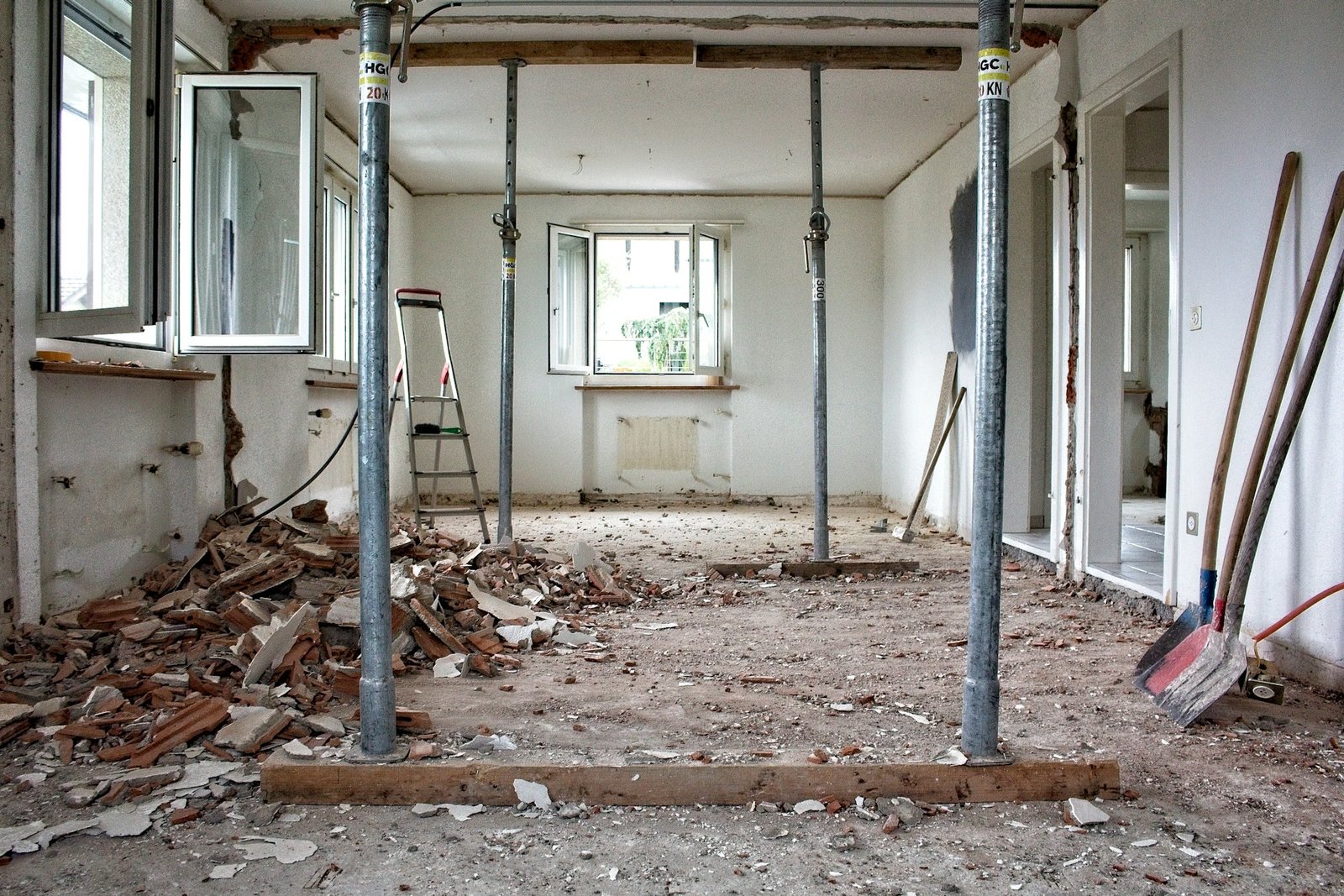
Big renovations feel overwhelming when you try to do everything at once. Costs add up quickly, rooms become unusable, and decisions made in a rush often lead to regret. A staged plan solves most of these problems. By breaking the work into clear phases, you keep the budget under control, protect your daily routine, and check each result before moving on. Here is how to plan a renovation in stages from the first idea to the final finishing touches.
Stage Zero: Understand What You Have
Before any work begins, take time to understand the condition of your home. Walk through every room and note problems such as damp patches, cracks, poor lighting, worn flooring, or lack of storage. Take photos and write everything down. If the house is older, consider hiring an inspector to check the roof, wiring, plumbing, and structure. This survey becomes the foundation of your plan, and it often reveals issues that would be far more expensive to discover halfway through a project.
Stage One: Safety and Essential Repairs
The first phase should always deal with anything that affects safety or could cause further damage. That includes moisture problems, leaks, faulty electrics, damaged plumbing, and structural concerns. These jobs are not glamorous, but doing them first protects every improvement that follows. There is no point in painting a wall that will be damp again in six months. For a clear walkthrough of this order of work, this practical house renovation guide explains how to prioritise projects and avoid common mistakes.
Stage Two: Function and Layout
Once the essentials are safe, turn to how the home works. Ask which rooms are difficult to use and why. A kitchen with poor storage, a hallway that is always cluttered, or a bedroom with no room for a wardrobe are all functional problems. This is the stage for changing layouts, adding built-in storage, improving lighting, and updating anything that makes everyday life harder. Make decisions based on how your household actually lives, not on what looks good in photos.
Stage Three: Efficiency
Efficiency upgrades can lower your bills and make the home more comfortable. Consider better insulation, sealing gaps around windows and doors, upgrading old windows, and choosing efficient lighting and appliances. These improvements are easier to do before the decorative work begins, because they often involve opening walls or ceilings. Ask for written quotes and compare the long-term savings, not only the upfront price.
Stage Four: Appearance and Finishes
Now comes the part most people look forward to. With the structure and systems sorted, you can choose paint, flooring, tiles, fixtures, and furniture. Pick a simple palette and repeat it through the home so rooms feel connected. Choose durable materials for busy areas and save the more delicate finishes for spaces with less traffic. Readers looking for inspiration for finished rooms can browse the styling ideas at Decor Luxury Home.
Stage Five: Maintenance and Review
A renovation is not finished when the last tradesperson leaves. Check that everything works properly, keep receipts and warranties in one folder, and note any small issues to fix while contractors are still available. Choose materials you can realistically look after, and set a simple maintenance routine for gutters, seals, and filters. Take before and after photos so you can see the progress you have made.
Budget and Timeline Tips
Keep a reserve of 10 to 15 percent of your total budget for surprises, because most renovations uncover something unexpected. Get at least two written quotes for larger jobs, and agree on the scope, timeline, and payment schedule in writing. Add extra time for deliveries and delays, and coordinate trades so one stage does not interfere with another.
Final Thoughts
Planning in stages is slower on paper, but it usually saves money and avoids redoing work. By dealing with safety first, then function, efficiency, and finally appearance, you make sure each decision supports the next. Be patient, stay flexible, and remember that a well-planned renovation gives you a home that is safer, more comfortable, and better suited to the way you live.