
Preparing your home for guests does not have to mean spending a lot of money on new furniture, expensive decorations, or professional cleaning services. With a little planning and a few simple changes, you can create a welcoming space that makes visitors feel comfortable without stretching your budget.
Whether you are hosting friends for dinner, welcoming relatives for the weekend, or preparing for an overnight stay, the most important things are cleanliness, comfort, and thoughtful details. These budget-friendly home prep for guests tips will help you get your home ready using items you already own and affordable improvements that make a noticeable difference.
1. Start With a Quick Cleaning Plan
A clean home immediately feels more inviting. However, you do not need to deep-clean every room before guests arrive. Focus on the areas visitors are most likely to use.
Start with the entrance, living room, bathroom, kitchen, and guest bedroom if someone will stay overnight.
Prioritize these simple tasks:
- Sweep or vacuum floors.
- Wipe visible dust from tables and shelves.
- Clean mirrors and glass surfaces.
- Remove rubbish and empty small bins.
- Wipe kitchen counters and bathroom sinks.
- Put away unnecessary items.
- Open windows briefly when weather and outdoor conditions allow.
Work from one room to another instead of moving randomly between tasks. This approach helps you stay organized and prevents you from spending too much time on less important details.
Budget tip: Use the cleaning supplies you already have before buying new products. A microfiber cloth, a suitable household cleaner, and a little organization can make a big difference.
2. Declutter Before Buying Decorations
One of the easiest ways to improve your home is to remove unnecessary clutter. Crowded tables, overflowing shelves, and piles of shoes can make even a spacious room feel uncomfortable.
Walk through the main areas of your home and collect items that do not belong there. Put them in their proper places, organize loose belongings, and clear surfaces that guests may use.
In the living room, leave enough space for drinks, snacks, and personal belongings. In the entryway, make room for shoes, bags, and coats. In the bathroom, clear the counter so visitors can easily access essential items.
You do not need to throw everything away. Store items neatly in existing baskets, drawers, or cupboards.
A tidy home often looks more attractive than a room filled with expensive accessories.
3. Make Your Living Room Comfortable
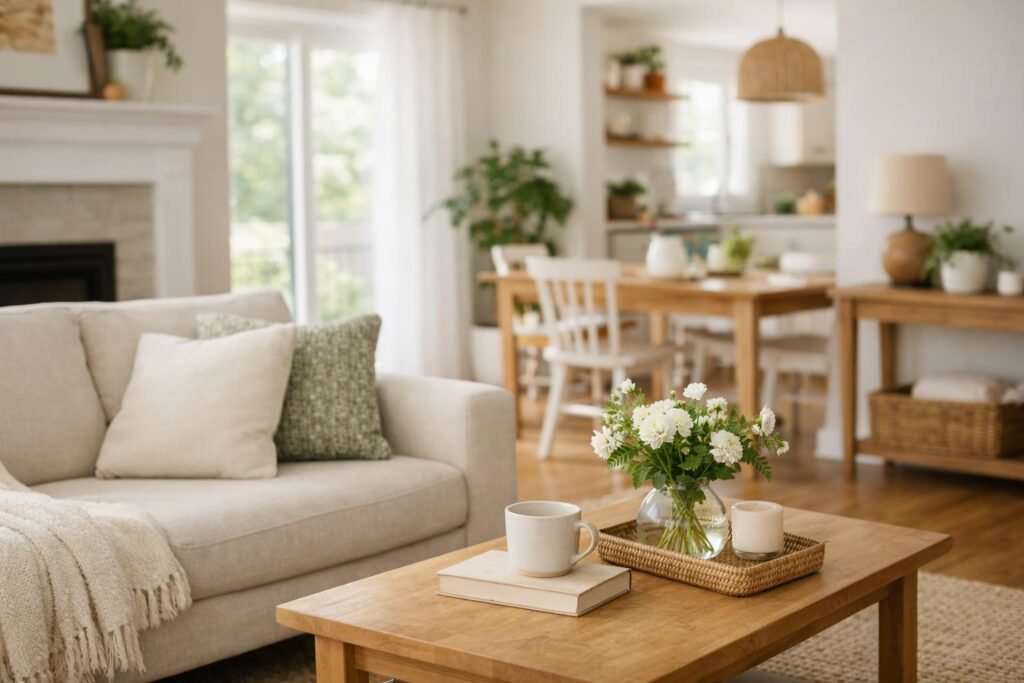
The living room is often where guests spend most of their time. You can make it feel welcoming without replacing your furniture or purchasing a new sofa.
Begin by arranging seating so people can talk comfortably. Move unnecessary furniture out of walking paths and make sure there is enough space for everyone to sit.
Then refresh the room with simple changes:
- Straighten cushions and fold blankets neatly.
- Clean the coffee table.
- Remove items that do not belong in the room.
- Add a cushion or throw from another room.
- Use a small vase with fresh flowers or greenery if available.
- Make sure lamps and overhead lights work properly.
If your cushions look flat, fluff them before guests arrive. Clean blankets and neatly arranged furniture can make an ordinary room feel more inviting.
Avoid overcrowding the space with decorations. A few carefully chosen items usually look better than many unrelated accessories.
4. Prepare a Clean and Welcoming Guest Bedroom
If guests are staying overnight, their sleeping area deserves special attention. A comfortable bedroom does not need luxury furniture or expensive bedding.
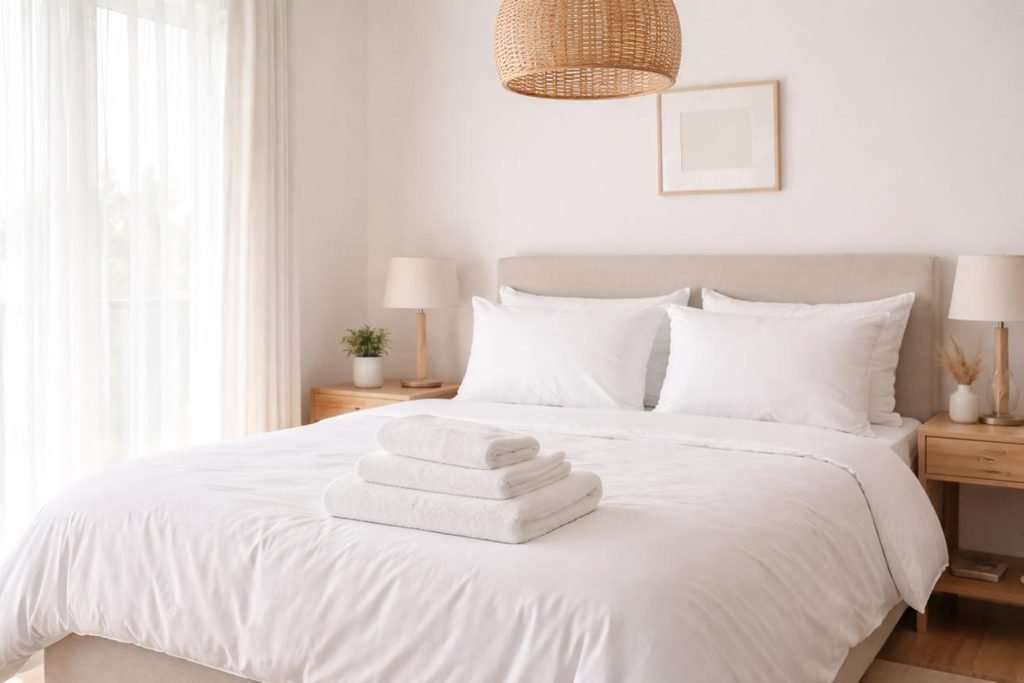
Start by washing the sheets, pillowcases, and blankets. Make the bed neatly and remove unnecessary items from bedside tables.
Check that guests have access to a light, a power outlet, and enough space for their belongings. If possible, provide a small area where they can place a suitcase or hang clothes.
Consider adding these practical touches:
- A clean towel for each guest.
- An extra blanket.
- A bottle or jug of drinking water.
- Tissues.
- A small wastebasket.
- A spare phone charging cable, if available.
- A note explaining how to access Wi-Fi.
If you do not have a dedicated guest bedroom, a clean sofa bed or an organized sleeping area can still provide a comfortable experience.
Remember: Clean bedding, privacy, and a clutter-free space matter more than expensive decorations.
5. Refresh Your Bathroom on a Small Budget
Guests appreciate a bathroom that is clean, organized, and easy to use. Fortunately, preparing it usually requires only a few basic tasks.
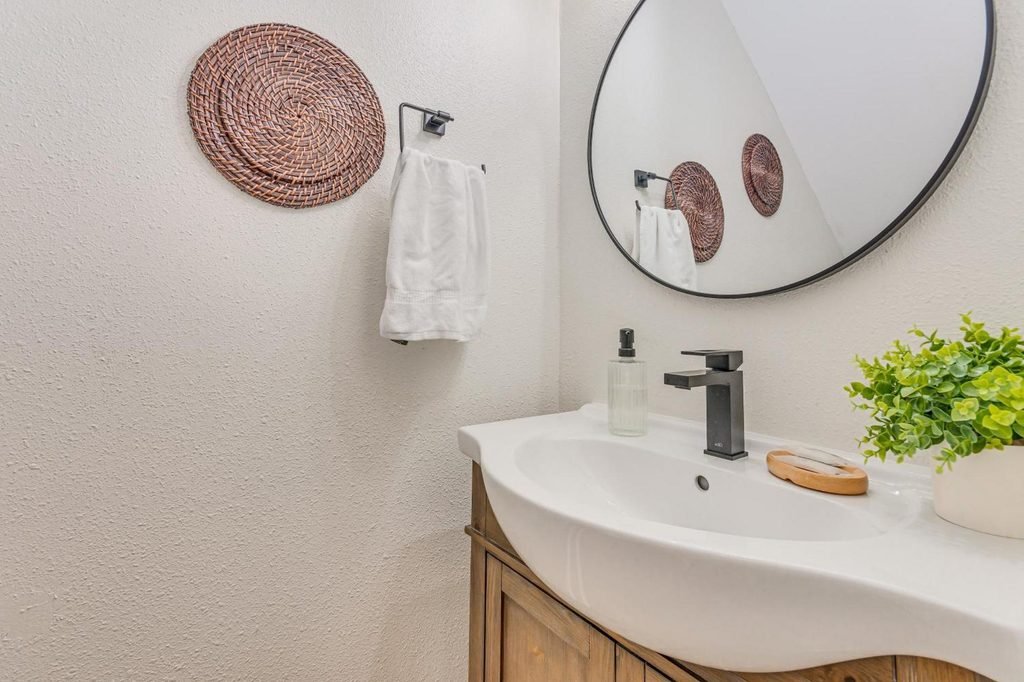
Clean the toilet, sink, mirror, and frequently touched surfaces. Remove rubbish, check that the soap dispenser contains soap, and provide clean hand towels.
Make sure toilet paper is easy to find. If your bathroom has limited counter space, place essential items in a small basket rather than leaving everything scattered around.
You can also improve the atmosphere by replacing a damp hand towel with a fresh one and making sure the room has adequate ventilation.
There is no need to buy a matching set of bathroom accessories. Cleanliness and convenience are more important than decorative details.
6. Create a Welcoming Entryway
The entryway creates the first impression when guests arrive. Even a small entrance can look organized with a few inexpensive changes.
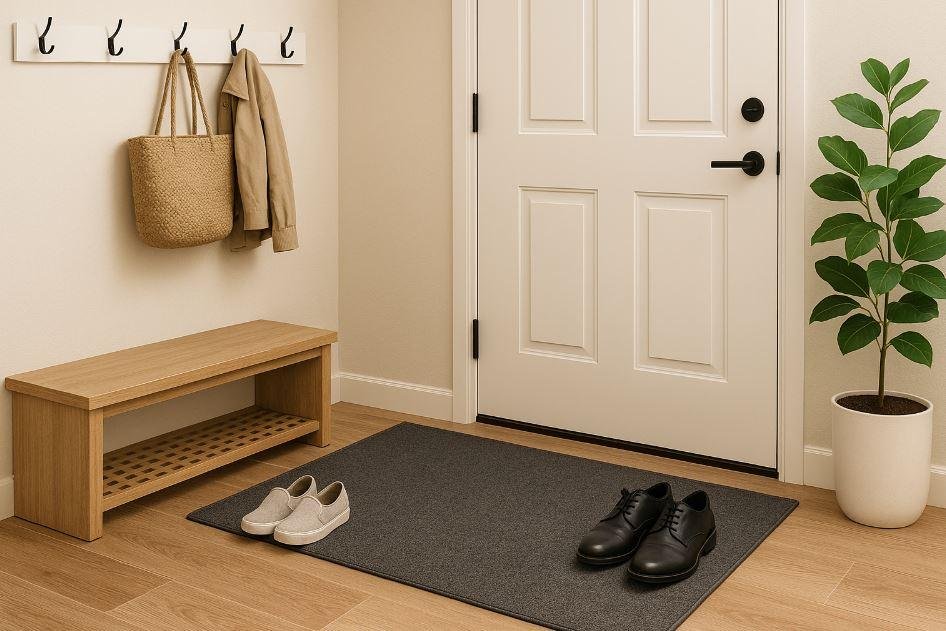
Start by removing shoes, bags, and other items that block the walkway. Wipe the front door, clean the doormat, and make sure the entrance is adequately lit.
If space allows, provide a simple place for guests to leave their shoes or belongings. A spare basket, existing bench, or wall hook may be all you need.
For an attractive finishing touch, place a small plant near the entrance or use a simple decoration that matches your home’s style.
Check the doorbell, lock, and entrance light before visitors arrive. Practical details help guests feel welcome and make entering your home easier.
7. Use Affordable Lighting to Improve the Atmosphere
Lighting can change the feeling of a room without requiring a major decorating budget.
During the day, open curtains and blinds to make the most of natural light, while maintaining privacy where needed. Before evening gatherings, turn on appropriate lamps and check that darker corners are adequately illuminated.
Warm-toned bulbs can create a relaxed atmosphere in living rooms and bedrooms. However, choose lighting that remains bright enough for people to move around safely.
You can also clean lampshades and light fixtures to help existing lights look better.
Avoid buying decorative lighting before checking whether the lamps you already own can meet your needs. A clean room with balanced lighting often feels more comfortable than a room filled with expensive accessories.
8. Prepare Simple and Affordable Refreshments
You do not need an elaborate menu to make guests feel appreciated. A few simple refreshments can be enough for a relaxed visit.
Depending on the occasion, you might offer:
- Tea or coffee.
- Drinking water.
- Seasonal fruit.
- Biscuits or crackers.
- Homemade snacks.
- A simple meal made with ingredients you already have.
Ask about dietary restrictions or food allergies when appropriate, particularly if guests will be staying for several days.
For a casual gathering, prepare a small serving area before guests arrive. Use clean plates, cups, and serving utensils that you already own.
Planning the refreshments in advance also reduces last-minute stress and helps you avoid unnecessary purchases.
9. Add Personal Touches Without Overspending
Small gestures can make a home feel more personal and welcoming. You do not need to purchase expensive decorations to create a thoughtful environment.
Display a few family photographs, arrange books neatly, or use a favorite serving tray to organize drinks and snacks. Fresh flowers from your garden or a well-maintained houseplant can also add color.
If guests are staying overnight, leave a short welcome note or let them know where they can find towels, drinking water, and other essentials.
Choose details that suit your home rather than copying every decorating trend. Personal touches should make the space feel comfortable, not create more work for you.
10. Follow a Simple Home Preparation Checklist
When time is limited, a checklist can help you focus on the tasks that matter most.
Use this practical list before guests arrive.
Guest-Ready Checklist
0 of 10 completeYou can complete these tasks gradually instead of leaving everything until the last minute. If you have only 30 minutes, focus on the bathroom, main living area, entrance, and any space where guests will sleep.
11. Common Mistakes to Avoid When Preparing for Guests
Even with a limited budget, a few common mistakes can create unnecessary stress.
Buying too many new items: Avoid purchasing decorations or accessories before checking what you already own.
Cleaning every room equally: Concentrate on the areas guests will actually use instead of spending hours on private rooms that visitors will not enter.
Leaving everything until the last minute: A short preparation plan helps you finish important tasks without rushing.
Ignoring comfort: Clean bedding, working lights, comfortable seating, and accessible essentials are more valuable than decorative extras.
Using strong fragrances to hide odors: Identify and clean the source of unpleasant smells rather than covering them with excessive sprays or scented products.
A practical approach helps you save money while creating a more comfortable environment.
Frequently Asked Questions
How can I prepare my home for guests on a tight budget?
Focus on cleaning, decluttering, fresh towels, clean bedding, comfortable seating, and simple refreshments. Use existing household items before buying anything new.
What should I clean first before guests arrive?
Start with the bathroom and the main areas guests will use. Then tidy the entryway, living room, and guest bedroom if overnight visitors are expected.
How do I make my home look nicer without spending money?
Remove clutter, arrange furniture neatly, clean windows and mirrors, open curtains for natural light, and reuse cushions, blankets, plants, and decorations you already own.
How early should I prepare my home for overnight guests?
Ideally, start one or two days ahead if your schedule allows. This gives you time to wash bedding, organize sleeping arrangements, and purchase only essential supplies.
What do overnight guests need in a guest room?
Provide clean bedding, pillows, towels, a place for belongings, accessible lighting, and basic information about Wi-Fi and household facilities. Extra blankets and drinking water are helpful additions.
Conclusion
Preparing your home for visitors does not require an expensive makeover. A clean bathroom, organized living room, comfortable sleeping area, and welcoming entrance can make a meaningful difference with very little spending.
The best budget-friendly home prep for guests tips focus on comfort, cleanliness, and thoughtful details rather than unnecessary purchases. By planning ahead, using what you already own, and prioritizing the rooms your guests will use, you can create a warm and inviting home for almost any occasion.
Ultimately, guests are more likely to remember how comfortable and welcome they felt than how much you spent preparing your home. Keep things simple, focus on practical needs, and enjoy spending time with the people who visit.