Key Takeaways
- The right window depends on the room, sun exposure, ventilation needs, privacy, and the condition of the existing opening.
- Glass performance, frame material, and installation quality all contribute to comfort and energy performance.
- Not every draft or sticking sash requires a full replacement, but recurring moisture, rot, failed seals, and poor operation deserve close attention.
- ENERGY STAR notes that certified windows can reduce household heating and cooling bills by up to 13 percent nationwide when single-pane windows are replaced.
Why A Room-By-Room Plan Makes Sense
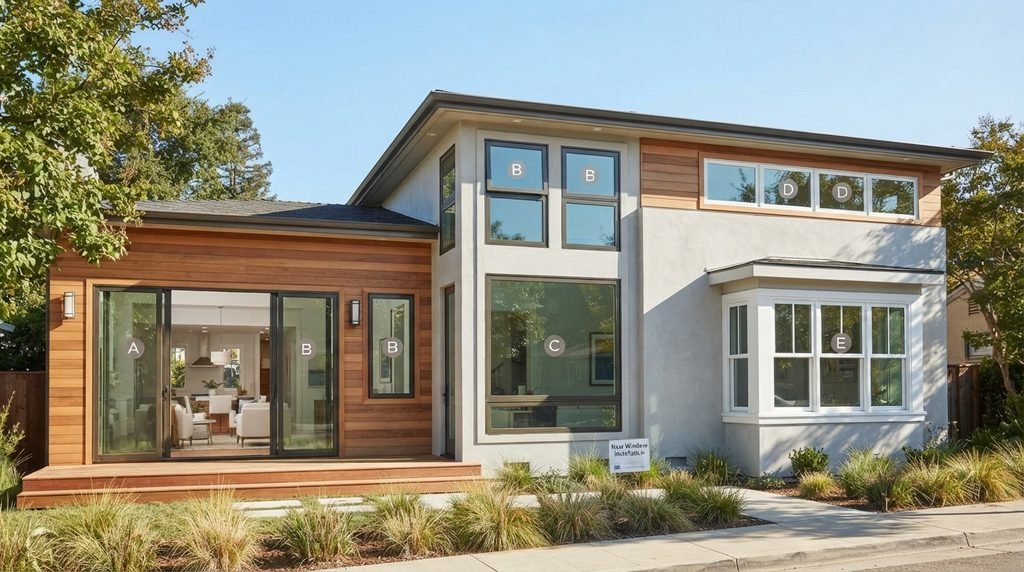
Choosing replacement windows is not simply a matter of selecting one style for every opening. A large living room window may need to prioritize daylight and views, while a bathroom window may need privacy and dependable ventilation. Planning room by room helps homeowners spend on features that improve everyday use rather than paying for options that do not fit the space.
Start by considering how each room feels throughout the day. Notice where the afternoon sun creates glare, where cold air is most noticeable, which windows are difficult to reach, and where outside noise interrupts sleep or work. A consistent exterior appearance can still be maintained while using different operating styles and glass options inside the home.
Living rooms often benefit from broad sightlines and abundant natural light. Bedrooms may need easier ventilation, secure locks, and more attention to privacy. Kitchens benefit from windows that open without a struggle, while bathrooms need a moisture-resistant design. Basement windows may also involve drainage, natural light, and emergency-exit considerations.
Start With The Problems Your Existing Windows Cause
Before comparing products, inspect the windows you have. This creates a clearer project scope and helps distinguish a small repair from a need for a replacement.
- Feel for drafts around the sash, frame, and trim on windy or cold days.
- Look for fogging or moisture between insulated glass panes, which can indicate a failed seal.
- Open, close, lock, and unlock each window to identify sticking, binding, or damaged hardware.
- Check wood frames and sills for softness, swelling, peeling paint, or visible deterioration.
- Watch for water stains, dust infiltration, excessive outdoor noise, or recurring condensation.
Worn weatherstripping, caulk, screens, or hardware can sometimes be repaired. However, water-damaged frames, persistent air leakage, failed insulated-glass seals, and windows that no longer operate safely often justify a more complete solution.
Choose Glass For Climate And Sun Exposure
Window labels provide useful information beyond appearance. When reviewing energy performance guidance for residential windows, focus on ratings that relate to the home’s climate and the direction each window faces.

- U-factor: Measures how well a window resists heat flow. Lower values generally indicate better insulating performance.
- Solar Heat Gain Coefficient: Indicates how much solar heat passes through the glazing. Lower values can help limit unwanted heat gain.
- Visible Transmittance: Indicates how much visible daylight comes through the glass.
- Air Leakage: Helps compare the amount of air that may pass through a manufactured window assembly.
A sunny west-facing room can receive intense late-day heat, so it may benefit from glass designed to reduce solar heat gain. A shaded north-facing room receives less direct sun, making a low U-factor especially important for improving comfort during heating and cooling seasons.
Match Window Styles To Each Room
Living Rooms
Picture windows, casement windows, and multi-window combinations can create expansive views and bring in daylight. Fixed picture windows do not open, so pair them with operable units when fresh air is important.
Bedrooms
Prioritize privacy, smooth operation, and practical placement around beds and furniture. Bedroom windows may also need to meet local emergency-egress requirements, so confirm applicable rules before changing an opening or selecting a smaller style.
Kitchens
Choose windows that are comfortable to operate near counters and sinks. Casement windows can work well in hard-to-reach areas because a crank operates the sash, while sliding and double-hung styles may suit other layouts.
Bathrooms
Frosted or textured glass can preserve privacy without eliminating daylight. An operable window can support ventilation, although it should complement, not replace, properly used bath ventilation equipment where required.
Basements
Basement windows deserve special attention to water exposure, drainage, well covers, and usable escape routes. Check local code requirements before ordering egress windows or altering foundation openings.
Compare Frame Materials Beyond The Initial Price
- Vinyl: A widely available, low-maintenance option offered in many configurations.
- Wood: Provides a traditional appearance but generally requires ongoing protection from moisture and sun exposure.
- Fiberglass: Offers strength and dimensional stability in many window designs.
- Aluminum: Can provide slim profiles and durability, though thermal performance depends on the product design.
- Composite: May combine the characteristics of multiple materials for homeowners, balancing appearance, durability, and maintenance requirements.
Decide Between Insert And Full-Frame Replacement
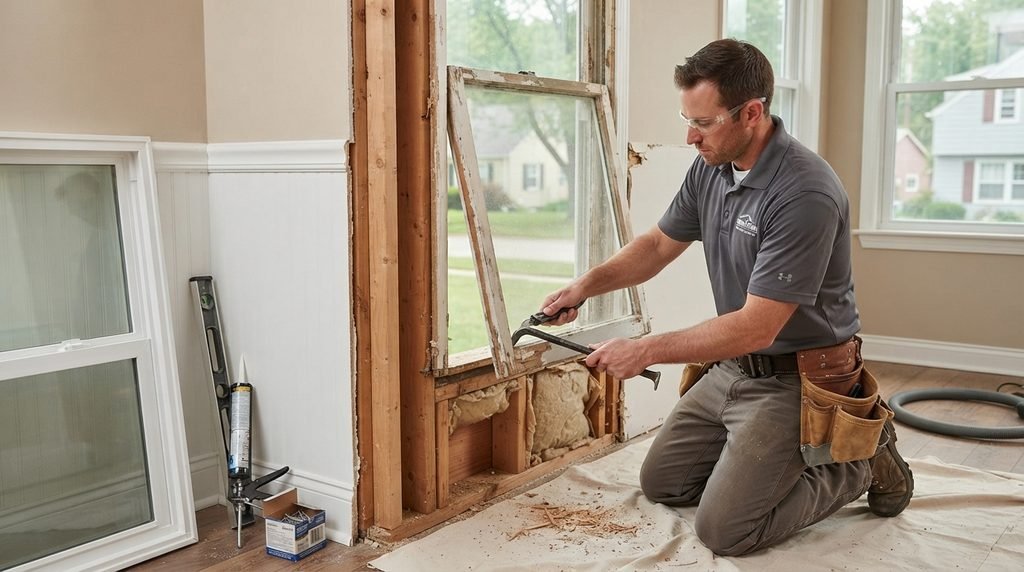
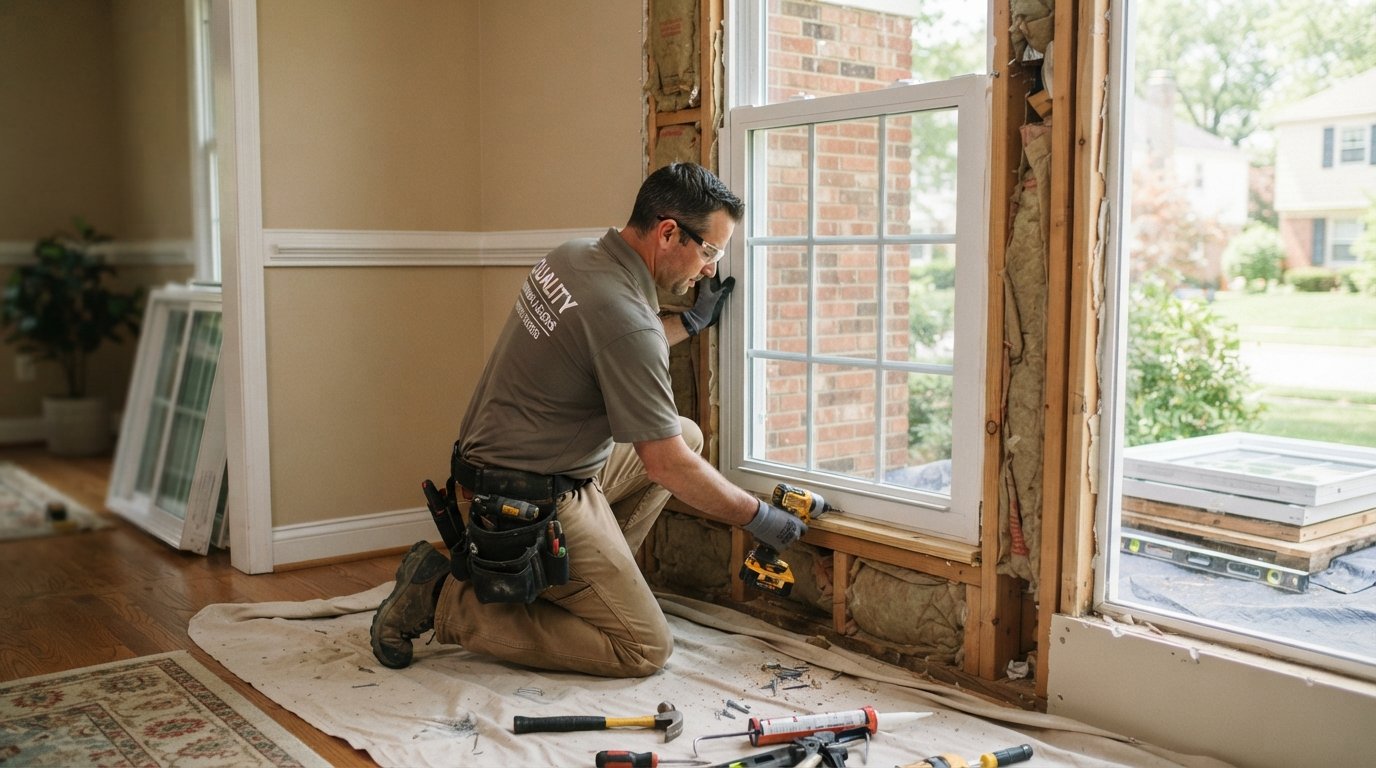
An insert replacement fits a new window within an existing frame. It may be appropriate when the original frame is square, dry, and structurally sound. Full-frame replacement removes the existing frame and is often the better route when there is rot, warping, water damage, or a need to change the window opening.
The window replacement checklist from the Building America Solution Center emphasizes proper air sealing, flashing, water management, manufacturer instructions, and climate-appropriate products. Those details matter because a high-quality window cannot compensate for a poor installation.
Build A Practical Budget
Compare detailed proposals rather than automatically choosing the lowest number. A complete quote may include window units, labor, removal and disposal, trim repairs, finishing work, permits, structural repairs, and warranty coverage.
- Prioritize windows with active leaks, rot, severe drafts, or safety concerns.
- Separate essential work from optional appearance upgrades.
- Confirm whether interior and exterior trim work is included.
- Request product ratings, labor costs, and warranty terms in writing.
- Compare at least two or three estimates with equivalent materials and services.
Questions To Ask Before Signing
- Which performance ratings and glass options are included?
- Are the windows appropriate for this climate and exposure?
- Will the installer inspect the existing frames before installation begins?
- Who manages permits, debris removal, and unexpected rot repairs?
- What does the product warranty cover, and what installation work is covered separately?
- How will the crew protect the flooring, landscaping, pets, and nearby furnishings?
Prepare For Installation Day
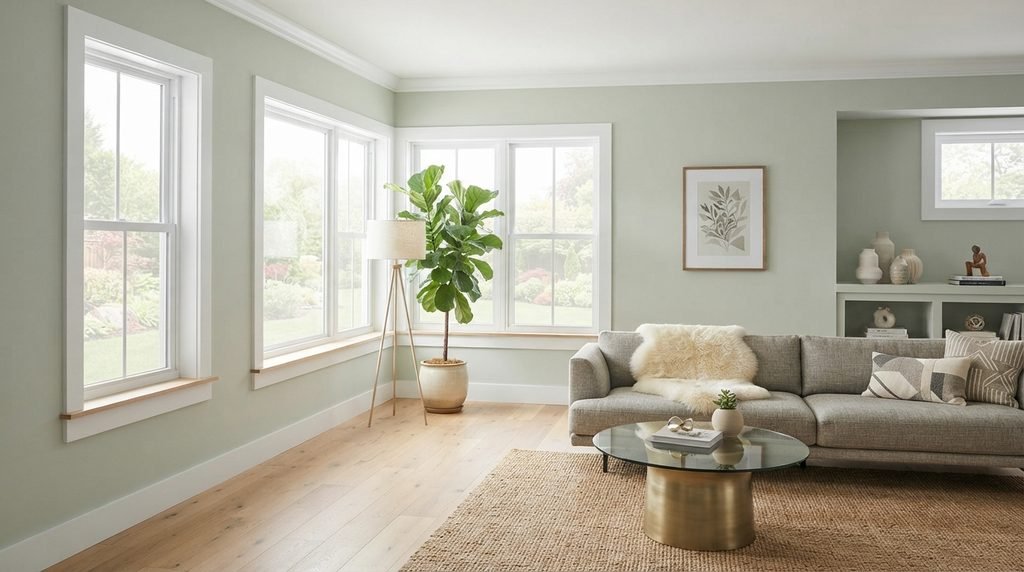
Move furniture several feet away from each window, remove curtains and fragile decorations, and clear exterior access around the work area. Keep children and pets away from active work zones, and ask the installer how long each room may be unavailable. If the home was built before 1978, discuss lead-safe work practices before the project begins.
Common Mistakes To Avoid
- Choosing solely by appearance or sale price.
- Assuming the most expensive product is automatically the best fit.
- Ignoring damaged frames or signs of water intrusion.
- Comparing estimates with different materials, glass packages, or finishing work.
- Overlooking privacy, cleaning access, ventilation, and emergency-exit needs.
- Assuming a manufacturer’s warranty automatically covers installation errors.
Frequently Asked Questions
How Long Do Replacement Windows Usually Last?
Service life varies by material, sun and weather exposure, maintenance, product quality, and installation. Review warranty terms and care requirements rather than relying on a single lifespan estimate.
Should Every Window Match?
Exterior consistency is valuable, but operating styles, glass packages, and privacy treatments can vary by room without making the home look mismatched.
Are Triple-Pane Windows Always Worth It?
Not always. Climate, noise levels, comfort goals, and budget should guide the decision. Compare documented ratings instead of relying on broad sales claims.
What Is The Best Time Of Year To Replace Windows?
Replacement can often be scheduled in many seasons. Weather, contractor availability, product lead times, and the scope of the installation all affect timing.
Conclusion
The best replacement windows are not necessarily the newest or most expensive models. They solve the home’s actual problems, suit each room’s needs, fit the climate, and are installed with careful attention to air and water management. A room-by-room plan makes those decisions easier and helps ensure the finished project improves daily comfort for years to come.