
Introduction
Finding the right home upgrading advice mintpalment can make it easier to improve your home without wasting money on unnecessary changes. Whether you want to refresh your interiors, improve functionality, increase comfort, or prepare your property for the future, a well-planned upgrade can make a noticeable difference.
Home improvement does not always require a complete renovation. Simple changes such as better lighting, improved storage, updated finishes, energy-efficient appliances, and exterior maintenance can transform the look and feel of a property. The key is to identify your home’s biggest needs and prioritize improvements according to your budget.
Here are 12 practical home upgrading ideas that can help you create a more comfortable, attractive, and functional home.
1. Start With a Home Improvement Plan
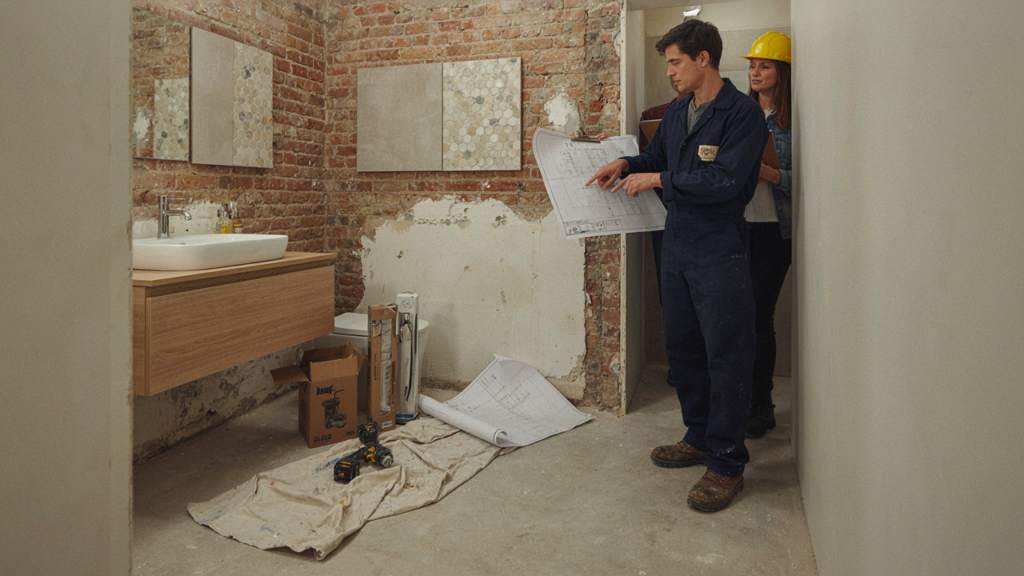
Before buying materials or hiring contractors, create a clear home improvement plan. Walk through every room and identify problems that need attention.
Make a list of improvements based on urgency, cost, and potential benefits. Structural or safety-related problems should generally come before purely decorative upgrades.
A simple plan can include:
- Areas that need immediate repairs
- Rooms that require cosmetic improvements
- Energy-efficiency opportunities
- Storage problems
- Exterior maintenance
- Long-term renovation goals
Planning first can help prevent unnecessary spending and keep your project organized.
2. Upgrade Your Living Room
The living room is often one of the most frequently used areas of a home, so improving it can have a major impact on everyday comfort.
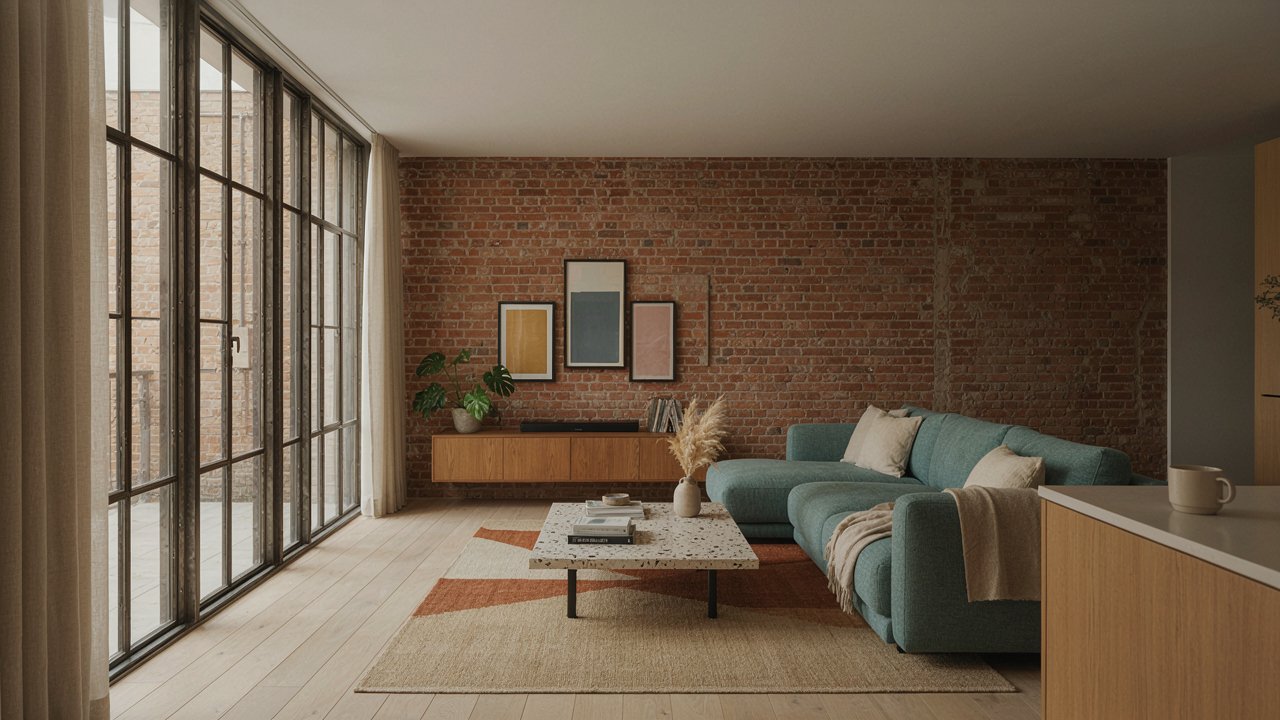
You do not necessarily need new furniture. Rearranging existing furniture, adding better lighting, updating curtains, changing cushions, or introducing a new rug can create a fresh appearance.
Consider using a combination of ambient, task, and accent lighting. Wall décor, artwork, plants, and carefully selected accessories can also add personality without requiring a major renovation.
3. Improve Kitchen Functionality
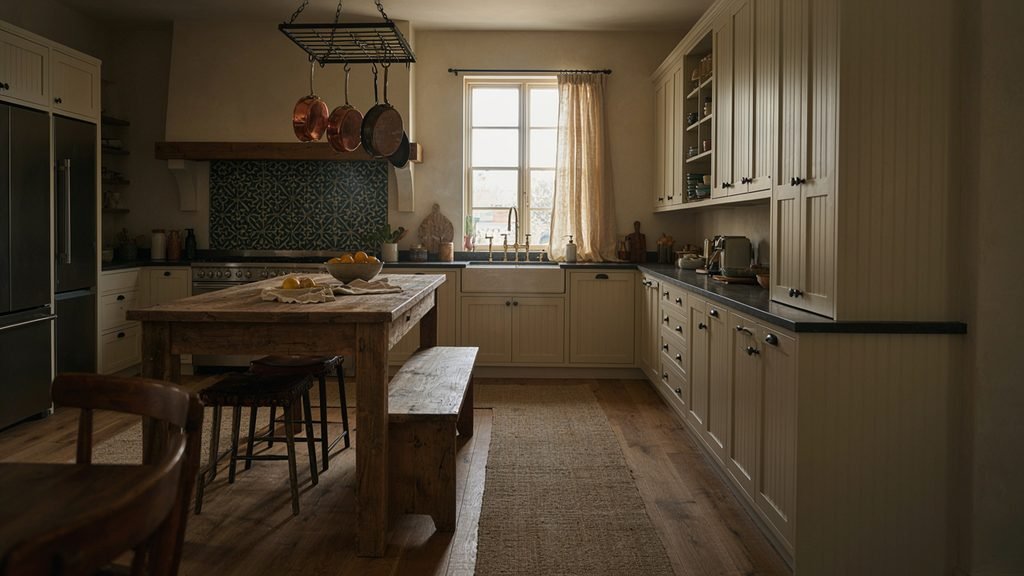
A kitchen upgrade can improve both appearance and everyday usability. Start by identifying problems with storage, lighting, countertops, cabinets, or appliances.
If replacing cabinets is outside your budget, consider repainting or refinishing them and replacing outdated handles. Adding drawer organizers, pull-out storage, or wall-mounted shelves can also make better use of available space.
Lighting is another important upgrade. Under-cabinet lighting can make food preparation easier while also giving the kitchen a more modern appearance.
4. Refresh Your Bedroom Design
Your bedroom should be comfortable, organized, and relaxing. One of the easiest upgrades is improving the room’s color scheme.
Soft neutral colors can create a calm atmosphere, while carefully selected accent colors can add character. Updating bedding, curtains, lighting, and wall décor can provide a noticeable transformation without major construction.
Storage should also be considered. Bedside cabinets, wardrobes, floating shelves, and under-bed storage can help reduce clutter and make the room feel more spacious.
5. Make Your Bathroom More Functional
Bathroom improvements can range from simple cosmetic changes to complete renovations.
For a budget-friendly upgrade, consider replacing old fixtures, mirrors, lighting, cabinet hardware, shower accessories, or damaged finishes. A fresh coat of suitable paint can also make the space feel cleaner and brighter.
If your bathroom has limited storage, use vertical space with wall-mounted cabinets or shelves. Choose moisture-resistant materials that can withstand regular exposure to humidity.
6. Improve Home Storage and Organization
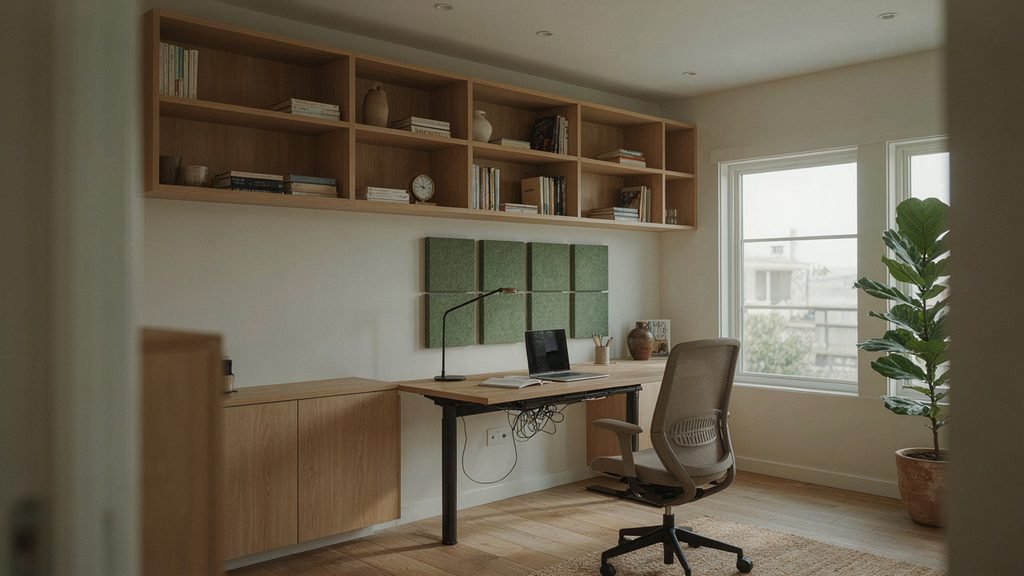
Poor storage can make even a beautiful home feel crowded. One of the most practical home upgrading ideas is to improve organization.
Use shelves, baskets, drawer organizers, built-in cabinets, and multi-purpose furniture to create additional storage.
Think vertically when floor space is limited. Wall-mounted shelves can provide useful storage without taking up valuable floor area.
Before purchasing storage products, remove items you no longer need. Decluttering first makes it easier to determine how much storage you actually require.
7. Upgrade Interior Lighting
Lighting can completely change the appearance and atmosphere of a home.
Replace outdated fixtures with modern options and consider installing dimmers where appropriate. Use brighter task lighting in kitchens, offices, and work areas while using softer lighting in bedrooms and relaxation spaces.
Natural light is equally important. Keep windows clean and avoid unnecessarily blocking them with heavy furniture or curtains.
A well-designed lighting plan can make rooms appear brighter, more welcoming, and more functional.
8. Refresh Walls, Floors, and Finishes
Walls and floors have a major influence on the overall appearance of a home. If your interiors look outdated, refreshing these surfaces can be an effective upgrade.
Painting is often one of the simplest ways to change a room. Choose colors that complement your furniture and the amount of natural light available.
For flooring, repair damaged areas where possible before considering complete replacement. If replacement is necessary, select materials based on durability, maintenance requirements, lifestyle, and budget.
9. Improve Your Home’s Exterior
Home improvement should not stop indoors. The exterior creates the first impression of your property and also requires regular maintenance.
Consider cleaning exterior surfaces, repairing damaged areas, refreshing paint, maintaining landscaping, and improving outdoor lighting.
Small improvements such as a well-maintained entrance, attractive house numbers, updated lighting, and healthy plants can make the property look more welcoming.
10. Consider Energy-Efficient Upgrades
Energy efficiency can improve comfort while potentially reducing long-term household energy costs.
Start with practical improvements such as LED lighting, energy-efficient appliances, better insulation, efficient windows, and improved sealing around doors and windows.
Before investing in expensive upgrades, identify where your home is losing energy. A professional assessment can help determine which improvements are likely to provide the greatest benefit.
11. Choose Upgrades That Add Long-Term Value
Not every attractive upgrade provides the same long-term benefit. When planning improvements, consider durability, functionality, maintenance, and how the upgrade may affect future buyers.
Kitchen improvements, bathroom updates, improved energy efficiency, better storage, attractive exterior maintenance, and quality flooring can all contribute to a more appealing property.
Avoid making highly personalized changes solely because they are currently trendy. Choose designs and materials that can remain practical and attractive over time.
12. Set a Realistic Home Improvement Budget
A realistic budget is one of the most important parts of any renovation or upgrade project.
Divide your budget into categories such as materials, labor, fixtures, tools, permits where applicable, and unexpected expenses.
It is also sensible to keep a contingency amount available because renovation projects can uncover hidden problems.
A simple budget can include:
| Upgrade Area | Main Purpose | Budget Priority |
|---|---|---|
| Kitchen | Functionality and appearance | High |
| Bathroom | Comfort and usability | High |
| Lighting | Style and visibility | Medium |
| Storage | Organization | Medium |
| Exterior | Curb appeal and maintenance | Medium |
| Energy efficiency | Comfort and efficiency | Long-term |
Prioritize improvements that solve real problems instead of spending your entire budget on cosmetic details.
Home Upgrading Advice for Small Budgets
You do not need a large budget to make meaningful improvements. Start with affordable changes that provide visible results.
Some budget-friendly options include:
- Repainting walls
- Updating cabinet hardware
- Replacing outdated light fixtures
- Adding shelves
- Improving room organization
- Updating curtains and rugs
- Adding plants and simple décor
- Replacing damaged fixtures
- Improving exterior cleanliness
Completing smaller projects gradually can be more manageable than attempting a complete renovation at once.
How to Prioritize Home Upgrades
When you have several projects planned, use a simple priority system.
First, address safety, structural, water, electrical, and maintenance problems. Next, focus on improvements that increase functionality and comfort. Decorative upgrades can generally come afterward.
Ask yourself three questions before starting a project:
- Does this solve an existing problem?
- Will it improve everyday comfort or functionality?
- Is the cost reasonable for the expected benefit?
These questions can help you make better renovation decisions.
Conclusion
Following practical home upgrading advice mintpalment can help homeowners improve their properties without unnecessary expenses. The best approach is to plan carefully, prioritize important repairs, improve functionality, and select durable materials that fit your lifestyle and budget.
You do not have to renovate every room at the same time. Start with the areas that need the most attention and complete projects gradually. With thoughtful planning, even small improvements can make your home more comfortable, organized, attractive, and valuable over time.
Frequently Asked Questions
1. What is the most cost-effective home upgrade?
Painting, improved lighting, better storage, updated hardware, and small fixture replacements can provide noticeable improvements without requiring a large renovation budget.
2. How can I upgrade my home on a small budget?
Start with affordable projects such as repainting walls, reorganizing storage, updating lighting, replacing cabinet handles, refreshing décor, and improving your home’s exterior appearance.
3. Which home improvements can add value?
Kitchen and bathroom improvements, energy-efficient upgrades, quality flooring, functional storage, and well-maintained exterior features can make a property more appealing.
4. Should I renovate one room at a time?
For homeowners working with a limited budget, upgrading one room at a time can make the project easier to manage and reduce financial pressure.
5. How do I create a home improvement budget?
List each planned project, estimate material and labor costs, prioritize essential work, and keep additional funds available for unexpected expenses.
6. What should I upgrade first in my home?
Start with safety, structural, electrical, plumbing, water damage, and major maintenance issues. After those are addressed, focus on improvements that increase comfort and functionality.
Suggested Image Alt Texts:
- Modern home interior after upgrading
- Kitchen home improvement ideas
- Modern living room renovation
- Energy-efficient home upgrades
- Home exterior improvement ideas